Where Is Kazakhstan? Map, Borders, Size & Central Asia Location
Kazakhstan spans 2,724,900 km² as the largest landlocked nation, emerging as a critical geopolitical hub for Eurasian trade and the Middle Corridor.
- Core Development: Kazakhstan spans 2,724,900 km² as the largest landlocked nation, emerging as a critical geopolitical hub for Eurasian trade and the Middle Corridor.
- Beat Context: Categorized under Transport with independent corroboration.
- Reporting Depth: 3 minute analytical read synthesized from verified newsroom sources.
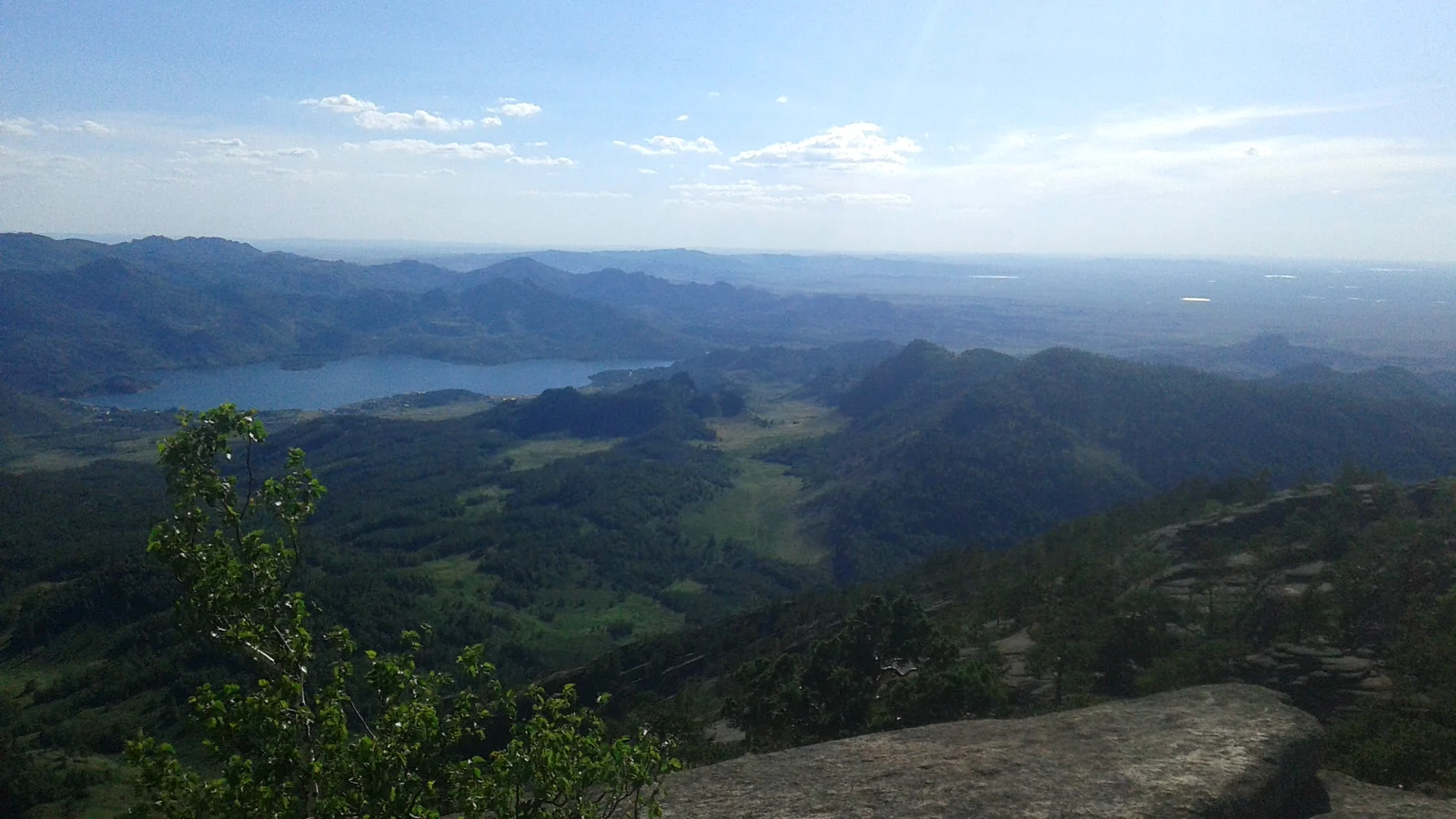
Where is Kazakhstan? The question carries renewed urgency as the landlocked Central Asian state positions itself at the center of a high-stakes geopolitical scramble over international trade routes. According to About Kazakhstan, Kazakhstan is located in Central Asia, south of Russia, west of China, and east of the Caspian Sea, with Astana serving as its capital. Bounded by Russia to the north and west, China to the east, and the Central Asian republics of Kyrgyzstan, Uzbekistan, and Turkmenistan to the south, Kazakhstan spans a vast landmass. The official Akorda country profile gives its area as 2,724,900 km², ranking it ninth in the world by area and identifying it as the largest country without direct access to the world’s oceans, even though it maintains a coastline on the Caspian Sea in the west. This sprawling geography of steppes, deserts, mountains, and the Caspian Sea coast is transitioning from a remote interior into an indispensable bridge between East and West as geopolitical shifts alter traditional commerce.
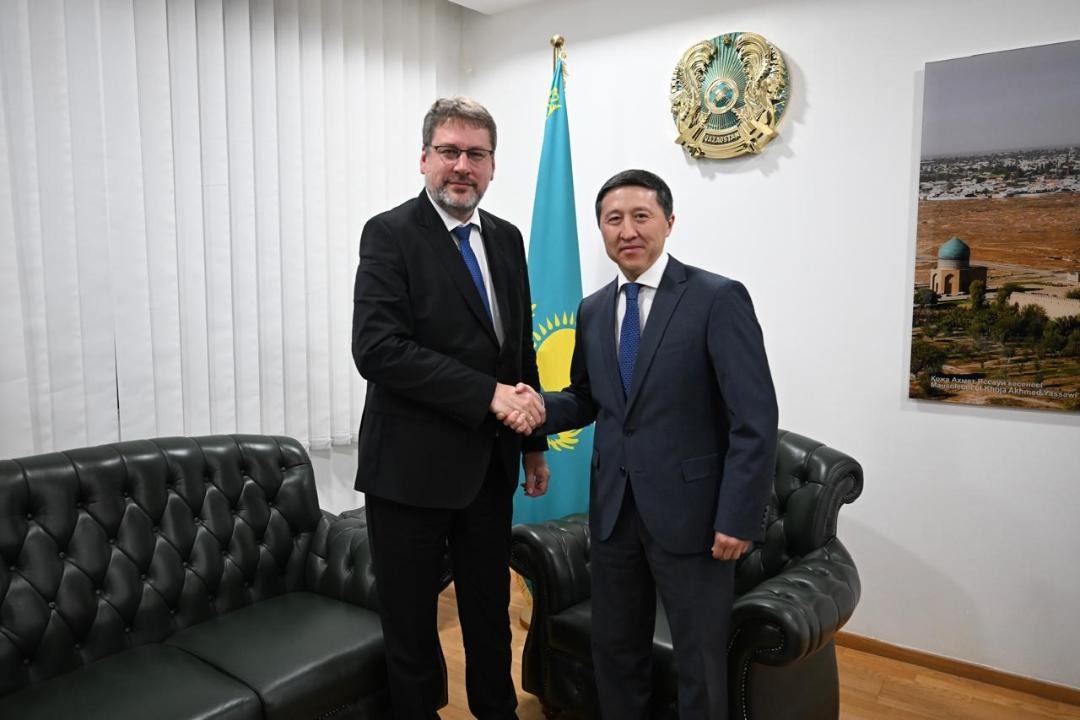
The strategic reorientation of Kazakhstan’s transport networks has become the focal point of intense diplomatic engagement between Astana and Brussels. Kazakh Deputy Foreign Minister Arman Issetov and EU Special Representative for Central Asia Eduards Stiprais have held successive rounds of high-level talks to translate political agreements into practical economic cooperation, as detailed by Qazinform and DKNews. These discussions build upon the Enhanced Partnership and Cooperation Agreement, which serves as the principal framework guiding bilateral relations across political, economic, and technical domains. Issetov and Stiprais reviewed progress in implementing agreements reached at the highest political level, including outcomes from President Kassym-Jomart Tokayev's visit to Brussels, while also discussing cooperation under the Central Asia-EU format.
Media additions

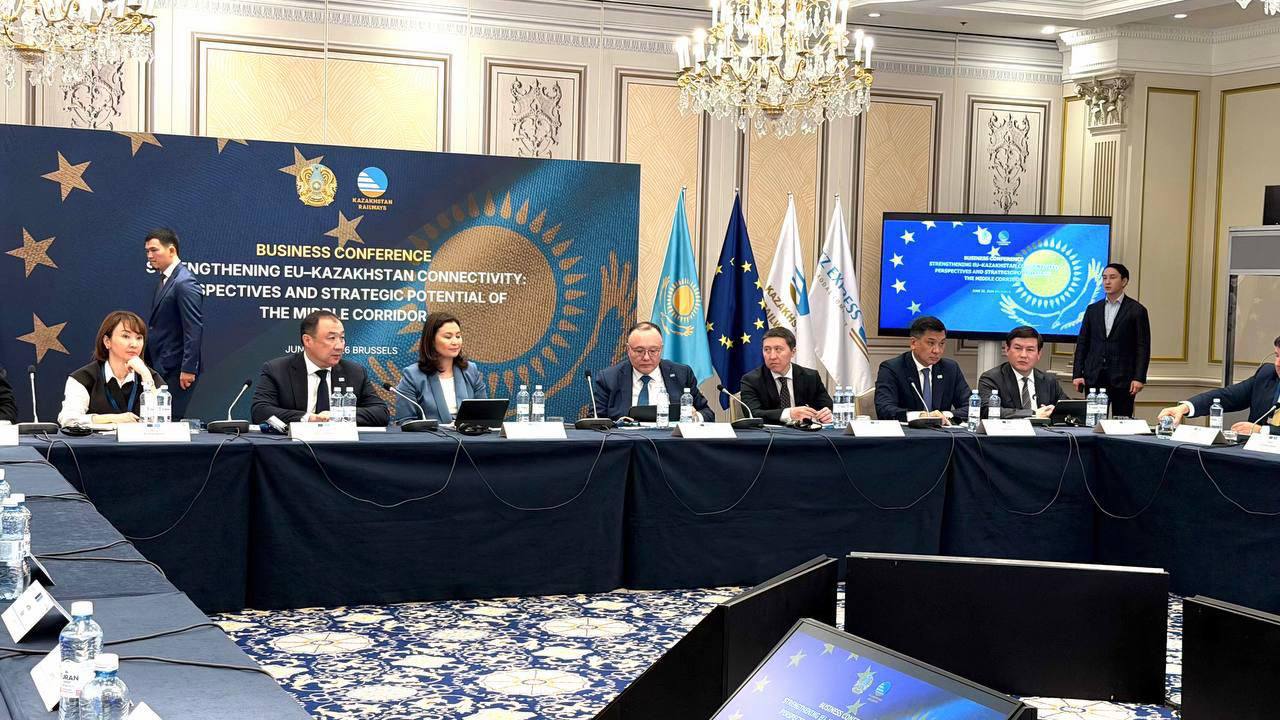
At the heart of this evolving partnership is the Trans-Caspian International Transport Route, widely known as the Middle Corridor. According to reporting from Trend and The Times of Central Asia, the multimodal route connects China and Southeast Asia to Europe through Kazakhstan, the Caspian Sea, Azerbaijan, Georgia, and Türkiye in a fraction of traditional shipping times, offering a vital alternative to northern corridors traversing Russia.
Beyond bilateral ties with Brussels, Kazakhstan's positioning has attracted individual European powers seeking energy security and logistical diversification. Italian Prime Minister Giorgia Meloni travelled to Baku and engaged in wider regional forums, including the Italy–Kazakhstan Supply Chain Forum held in Astana, highlighting Rome's dual strategy of securing gas supplies through the Southern Gas Corridor while participating in the development of the Middle Corridor across the Caspian basin, according to SpecialEurasia. Italian participants expressed interest in contributing to infrastructure development, logistics services, and transport cooperation, while Kazakhstan emphasized its stable and transparent investment environment aimed at transforming the route into a competitive global logistics product.
Regional multilateral coordination has extended to security and humanitarian matters. Representatives from Central Asian states, the European Union, and the United Nations convened in Almaty for high-level discussions aimed at strengthening coordination on Afghanistan, regional stability, and transport corridors connecting Central and South Asia, as highlighted by Ariana News.
How significant is this development?
Contribute your assessment to the aggregated reader sentiment ledger.
Frequently Asked Questions
Key questions answered in this reportWhat is the key development in: Where Is Kazakhstan? Map, Borders, Size & Central Asia Location?
Kazakhstan spans 2,724,900 km² as the largest landlocked nation, emerging as a critical geopolitical hub for Eurasian trade and the Middle Corridor.
Why is this Transport development significant for the UK?
This report covers critical events in our Transport beat. Independent reporting monitors related UK statements, regulatory shifts, and public responses as further verified details emerge.
How was this reporting corroborated and verified?
Newsarchy UK compiles and cross-references reporting from primary reporting from SpecialEurasia and cross-checked wire reports. All coverage adheres to published editorial standards.
When was this report published?
This briefing was published on October 19, 2026 and is permanently cataloged in the Newsarchy UK Transport archives.