Kumamoto hit by 7.1 quake, tsunami warning issued for Ariake Sea
A magnitude 7.1 earthquake struck Kumamoto Prefecture on Kyushu, prompting a tsunami advisory, transit suspensions and power outages.

- Core Development: A magnitude 7.1 earthquake struck Kumamoto Prefecture on Kyushu, prompting a tsunami advisory, transit suspensions and power outages.
- Beat Context: Categorized under News with independent corroboration.
- Reporting Depth: 3 minute analytical read synthesized from verified newsroom sources.
A powerful earthquake struck the southern Japanese island of Kyushu, shaking multiple towns in Kumamoto Prefecture and registering the highest possible level on the local seismic scale. According to the Japan Meteorological Agency, the tremor reached a magnitude of 7.1 and struck at a depth of 10km below the sea surface, with the epicentre located in the city of Uki, just south of the city of Kumamoto. According to preliminary information from seismological agencies, the earthquake occurred around 5 kilometres east of Uto in Kumamoto Prefecture. The violent shaking occurred late in the afternoon, prompting immediate emergency responses across the region.
Following the main tremor, authorities issued urgent tsunami warnings and advisories. The Japan Meteorological Agency warned of potential tsunami waves of up to 1 metre reaching affected coastal areas, specifically targeting the Ariake and Yatsushiro seas. The agency explicitly cautioned residents that the sea and coastal areas were dangerous, instructing the public to move away from the shoreline immediately and avoid approaching the water until the advisory was lifted. The Cabinet Office's Disaster Management Division echoed these safety directives, telling citizens in the affected zones to leave coastal areas without delay. Meanwhile, the US Pacific Tsunami Warning Center indicated that there was no risk of a tsunami beyond local coasts.
Media additions

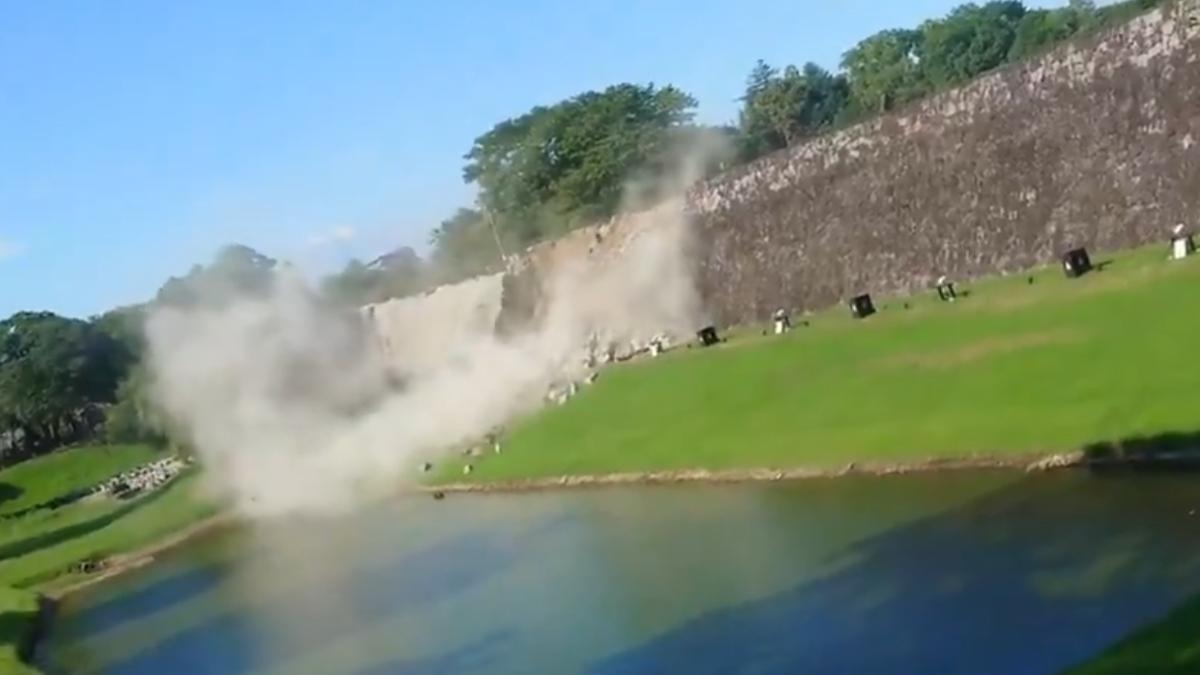
The tremor triggered emergency earthquake warnings across multiple prefectures on Kyushu island. Alongside Kumamoto, the Japan Meteorological Agency issued alerts for Nagasaki, Kagoshima, Fukuoka, Saga, Oita, and Miyazaki prefectures. Footage from the affected area captured cameras shaking violently near historical landmarks, while local reports showed several collapsed buildings near the epicentre. Aftershocks struck the same area approximately thirty minutes after the initial jolt, prompting ongoing calls for vigilance among residents.
Government figures mobilised quickly in response to the disaster. According to the Irish Mirror, the Prime Minister's Office issued three immediate instructions to ministries following the quake: rapidly assess the damage, collaborate with local authorities to prioritise saving lives, and provide the public with timely updates on evacuations and the unfolding situation. These directives were issued shortly after the disaster unfolded, with the Japan Meteorological Agency scheduling a press conference to provide further updates.
Infrastructure and public services experienced immediate disruptions. Kyushu Electric Power reported that approximately 45,600 households in Kumamoto Prefecture were left without electricity. However, the Nuclear Regulation Authority and Kyushu Electric Power confirmed that initial checks found no abnormalities or irregularities at nearby nuclear power facilities, including the Sendai and Genkai plants. Transport networks also faced precautionary halts, with JR Kyushu temporarily suspending Shinkansen bullet train operations and local train services while staff conducted comprehensive safety inspections of tracks, stations, and signalling equipment. The Japanese Defence Ministry dispatched aircraft to the region to survey the situation from the air, while the Fire and Disaster Management Agency stated that no immediate reports of damage to major public facilities had emerged while assessments remained ongoing.
The catastrophe brought back memories of past seismic events in the region. Kumamoto was previously struck by deadly earthquakes that left dozens of people dead and thousands of homes damaged or destroyed. Those earlier tremors caused severe structural damage to the 17th-century Kumamoto Castle, where restoration work is not scheduled for completion until 2052. The region remains home to millions of residents, with Kumamoto itself housing over 700,000 people and the wider Kyushu region supporting roughly 13 million inhabitants. Japan frequently experiences powerful earthquakes due to its location along the seismically active Pacific Ring of Fire, prompting the nation to maintain strict building standards and advanced warning infrastructure.
Authorities continue to monitor the situation closely as aftershocks persist and damage assessments proceed. Residents in coastal zones remain under advisories to stay away from the shoreline until official warnings are lifted, and further announcements regarding infrastructure checks, transport resumptions, and emergency relief efforts are expected from government and meteorological agencies.
How significant is this development?
Contribute your assessment to the aggregated reader sentiment ledger.
Frequently Asked Questions
Key questions answered in this reportWhat is the key development in: Kumamoto hit by 7.1 quake, tsunami warning issued for Ariake Sea?
A magnitude 7.1 earthquake struck Kumamoto Prefecture on Kyushu, prompting a tsunami advisory, transit suspensions and power outages.
Why is this News development significant for the UK?
This report covers critical events in our News beat. Independent reporting monitors related UK statements, regulatory shifts, and public responses as further verified details emerge.
How was this reporting corroborated and verified?
Newsarchy UK compiles and cross-references reporting from primary reporting from english.mathrubhumi.com and cross-checked wire reports. All coverage adheres to published editorial standards.
When was this report published?
This briefing was published on July 28, 2026 and is permanently cataloged in the Newsarchy UK News archives.