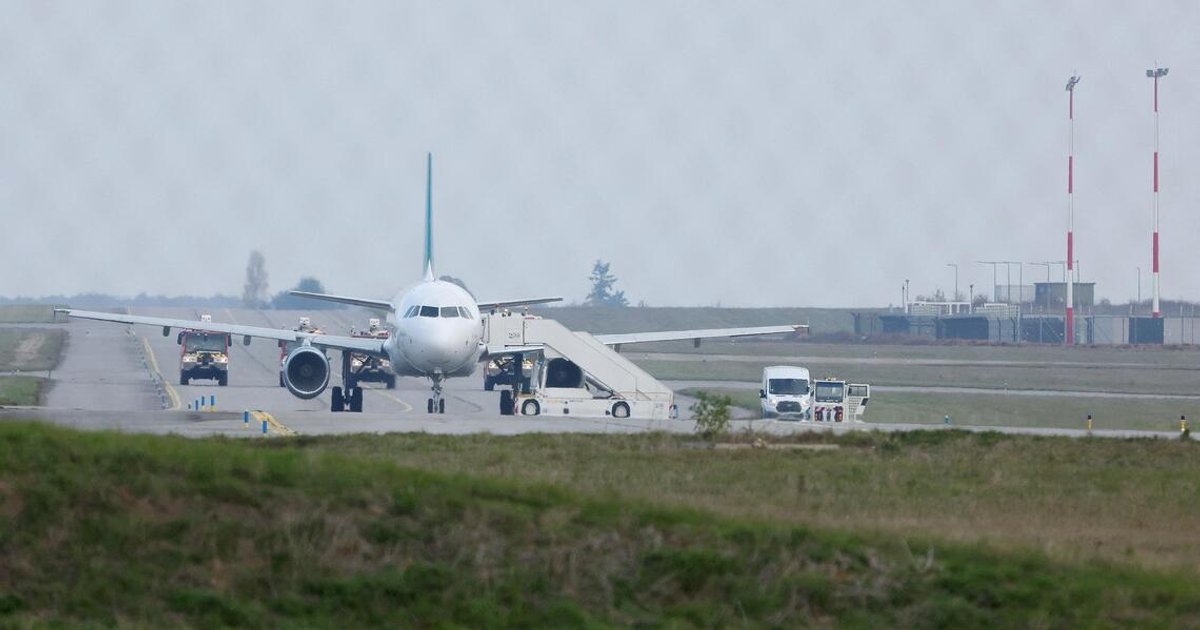
Paraguay Lawmakers Spare Next President
Paraguay's Chamber of Deputies cleared Vice-President Pedro Alliana of impeachment following the resignation of President Santiago Peña amid a massive banking crisis.
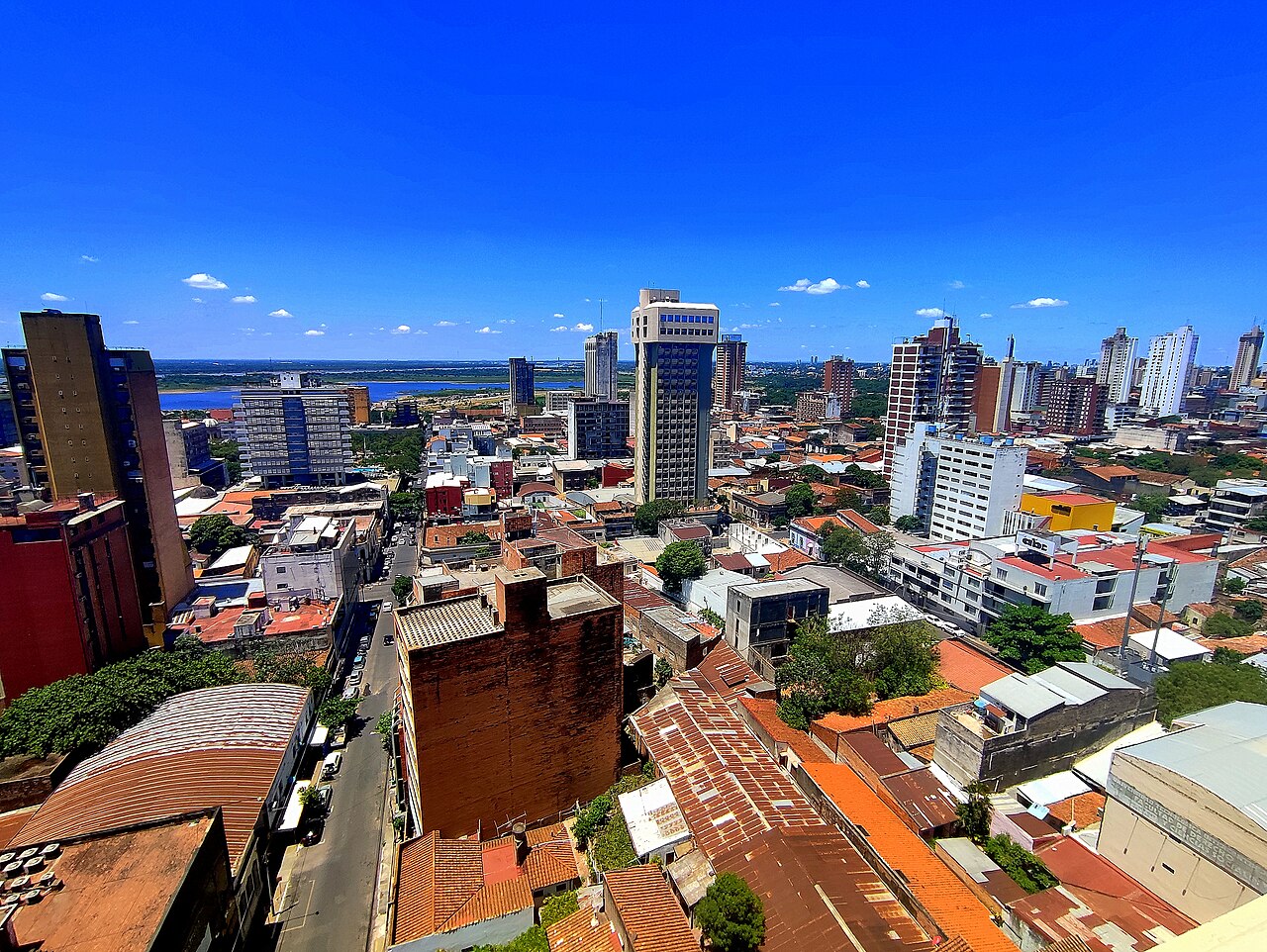
- Core Development: Paraguay's Chamber of Deputies cleared Vice-President Pedro Alliana of impeachment following the resignation of President Santiago Peña amid a massive banking crisis.
- Beat Context: Categorized under World with independent corroboration.
- Reporting Depth: 4 minute analytical read synthesized from verified newsroom sources.
Paraguay’s political crisis has taken a decisive turn as the Chamber of Deputies cleared Vice‑President Pedro Alliana of impeachment, paving the way for his immediate succession to the presidency after Santiago Peña’s resignation. The move, voted 48 Colorado deputies to 30 opposition, follows a collapse of the digital lender Ueno Bank that froze the accounts of roughly three million Paraguayans and sparked mass protests across the capital.
When Peña first took office on 15 August 2023, Paraguay was seen as a stable investment destination. Its economy, anchored in soy and beef exports, had recently achieved investment‑grade ratings. That image was shaken when the Central Bank seized Ueno Bank on 3 November, citing a capital shortfall that left more than 2.9 million customers without access to their savings.
Media additions
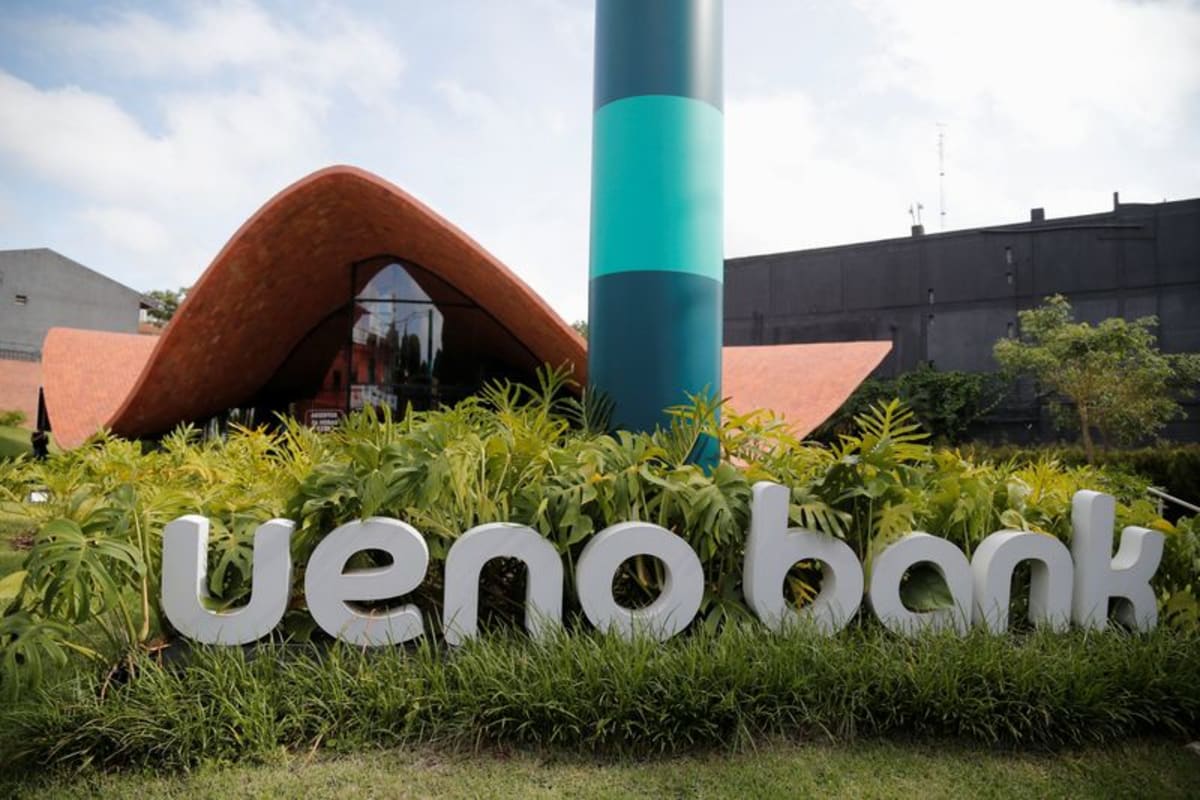

Ueno, launched in 2021, had grown from a niche fintech to a public‑facing lender that handled roughly $850 million in public deposits, including pension assets. Its rapid expansion attracted scrutiny: a June inspection revealed a pattern of large loans to companies linked to the bank’s controlling shareholder, Grupo Vázquez, without adequate collateral. The findings were highlighted in a report by ABC Color, cited by NBC, and later confirmed by the Central Bank’s own probe.
Peña, who until March 2025 held a stake in Ueno Holding, had defended the bank and its oversight up to the last month before the collapse. He also appointed Carlos Carvallo, former head of Financiera Ueno, as central bank chief. Carvallo resigned following the intervention, and the bank’s former executives faced arrest warrants.
| Metric | Value |
|---|---|
| Ueno customers | 2.9 million |
| Employees owed wages | 7,000 |
| Customers moved to other banks | 280,000 |
| Impeachment signatures | 35 |
| Deputies present | 78 |
| Colorado deputies voting to shelve accusation | 48 |
| Opposition deputies voting to continue accusation | 30 |
The day after the intervention, Peña posted a video on X announcing his resignation. He said he was stepping down “with the stability of our country, social peace and the need to preserve our democratic institutions” in mind. The resignation was immediately followed by a unanimous vote in the Chamber of Deputies to trigger impeachment proceedings against him. The process now moves to the Senate, where a two‑thirds majority is required to advance a trial.
In the lower house, opposition deputy Raúl Benítez branded the vote to shelve Alliana’s impeachment a whitewash, arguing that the vice‑president had “knew about the scandal.” Colorado deputy Rocío Abed countered that Alliana had fully carried out his constitutional duties. The chamber president, Raúl Latorre, announced that Congress would accept Peña’s resignation at 5:00 local time and swear in Alliana at 6:00. A vote for a new vice‑president would follow at 7:00, with senators Antonio Barrios and Gustavo Leite named as possible picks.
Senator Esperanza Martínez, speaking in the Senate, urged swift action against Peña. She warned that the former president could flee “as happened with Bolsonaro,” citing the Brazilian senator’s recent escape to the United States. Martínez called for the formal accusation of Peña and the seizure of his assets to prevent a flight. Her remarks came amid a broader debate over whether the impeachment request should proceed to the Senate, with some legislators arguing that Peña’s resignation would grant him legal protections.
Protests erupted outside Congress and Ueno branches. Lines of people trying to withdraw their money stretched down Asunción’s streets, and thousands of Ueno employees demanded unpaid wages. The central bank has begun transferring Ueno customer accounts to other institutions, a move that has strained the banking system and caused outages in other banks’ mobile apps.
While the political crisis dominates headlines, the economic implications are far‑reaching. The bank’s collapse left roughly 60 percent of Paraguay’s adult population without access to their savings, triggering a national debate over the robustness of the country’s regulatory framework. The crisis also threatens Paraguay’s reputation as a stable investment hub, a status that has attracted foreign capital for years.
What to Watch Next
- Senate vote on whether to proceed with Peña’s impeachment trial.
- Alliana’s inauguration and his policy agenda for the remainder of the term.
- Central bank’s progress in reimbursing Ueno depositors and protecting public funds.
- International reactions, particularly from the United States and investment‑grade rating agencies.
As the nation waits for the Senate’s decision, the political and financial landscapes remain in flux. The effectiveness of the government’s response will be judged by how quickly depositors receive their funds, whether the legal process against Peña proceeds, and whether Paraguay can restore confidence among its citizens and the international community.
How significant is this development?
Contribute your assessment to the aggregated reader sentiment ledger.
Frequently Asked Questions
Key questions answered in this reportWhat is the key development in: Paraguay Lawmakers Spare Next President?
Paraguay's Chamber of Deputies cleared Vice-President Pedro Alliana of impeachment following the resignation of President Santiago Peña amid a massive banking crisis.
Why is this World development significant for the UK?
This report covers critical events in our World beat. Independent reporting monitors related UK statements, regulatory shifts, and public responses as further verified details emerge.
How was this reporting corroborated and verified?
Newsarchy UK compiles and cross-references reporting from primary reporting from Americas Quarterly and cross-checked wire reports. All coverage adheres to published editorial standards.
When was this report published?
This briefing was published on November 5, 2026 and is permanently cataloged in the Newsarchy UK World archives.