Senior doctors at Glasgow hospital in care delay warning
Emergency consultants at Glasgow's Queen Elizabeth University Hospital warn that severe overcrowding and care delays are causing daily patient harm, sparking intense political scrutiny.
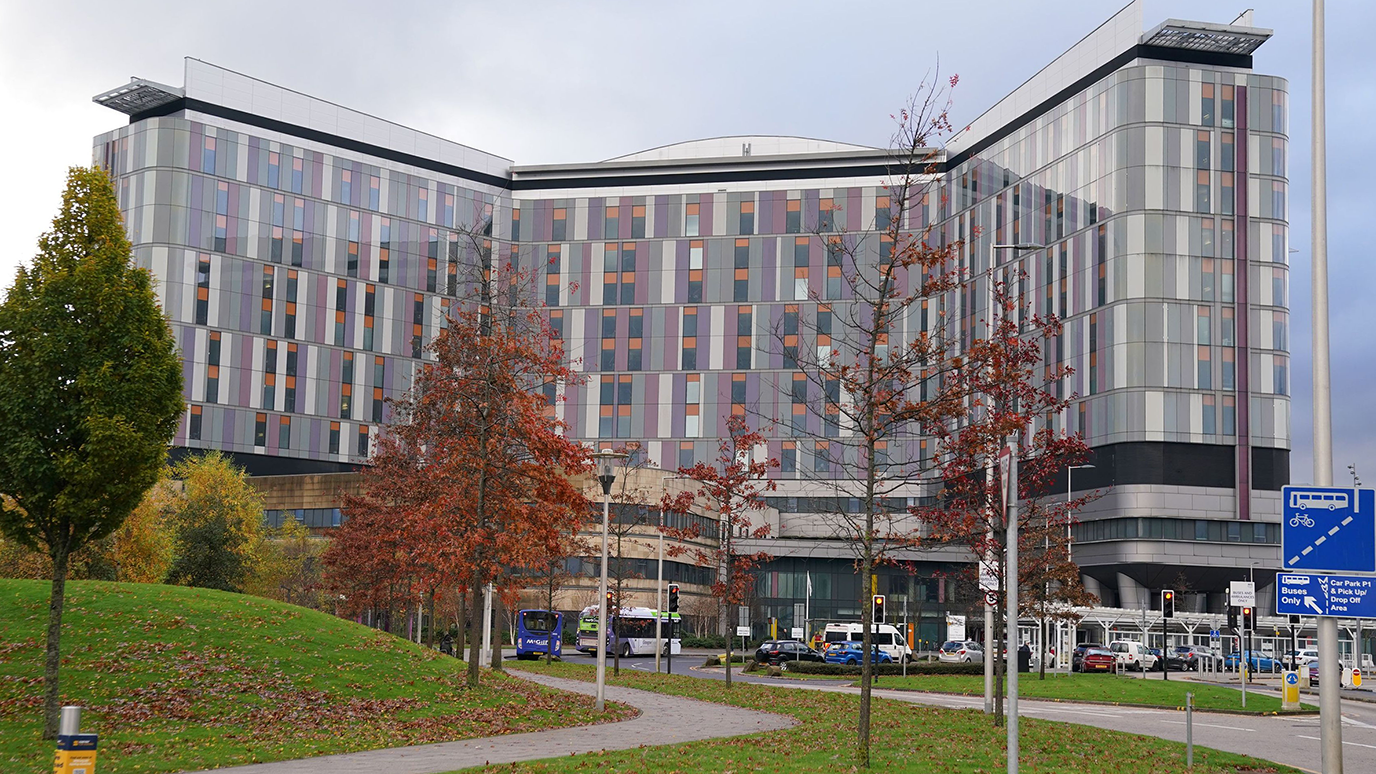
Senior emergency doctors at Scotland's largest hospital warned that patient harm from care delays has become a daily reality, prompting intense scrutiny of the healthcare system.
The entire consultant body at the emergency department of the Queen Elizabeth University Hospital (QEUH) in Glasgow wrote a letter to Healthcare Improvement Scotland (HIS) detailing severe overcrowding, exit block, and prolonged waiting times. According to The Herald, the medics described conditions in the accident and emergency department as indefensible, warning that staff were routinely forced to step down patients from resuscitation areas prematurely and move individuals into hospital corridors to cope with sustained overcapacity. The correspondence indicated that staff felt leadership and management relationships had deteriorated, leaving no effective local strategy to tackle the deepening crisis.
Media additions


The situation escalated further when emergency medicine consultants requested that a formal major incident be declared due to the site becoming completely overwhelmed. Documents reviewed by BBC Scotland News revealed that the QEUH was left with virtually no room to accept incoming patients, forcing one individual with a fractured hip to wait nearly six hours inside an ambulance while multiple other vehicles arrived or remained en route. While health board officials discussed the request, the proposal to call a major incident was ultimately declined, with NHS Greater Glasgow and Clyde (NHSGGC) stating that existing internal escalation policies and robust mitigation measures were sufficient to manage the surging demand.
Political pressure has intensified in response to the warnings. Health Secretary Angela Constance acknowledged that the accounts painted a very distressing picture and stated she was keeping an open mind on whether to place the hospital under special measures. Her remarks marked a shift from initial government responses which categorized the crisis as strictly an operational matter for the local health board. Opposition politicians, including Scottish Liberal Democrat health spokesperson Adam Harley and Scottish Labour health spokesperson Dame Jackie Baillie, condemned the situation as a failure of accountability, urging ministers to intervene immediately.
| Incident / Metric | Location | Details & Context |
|---|---|---|
| Major Incident Request | Queen Elizabeth University Hospital, Glasgow | Requested by emergency consultants due to lack of capacity and extreme ambulance queues, but declined by health board leadership in favor of standard escalation policies. |
| Critical Incident | Aberdeen Royal Infirmary | Declared by NHS Grampian after the facility became entirely full, leading to postponed elective procedures and patient diversions. |
| Long A&E Waits | QEUH Emergency Department | Public Health Scotland figures show thousands of patients spending excessive hours waiting in emergency care, compounding excess mortality estimates. |
Healthcare Improvement Scotland confirmed it is actively reviewing the concerns, engaging directly with frontline clinicians, and monitoring progress against previous recommendations made following a prior inspection. Meanwhile, NHSGGC maintains that patient safety remains its highest priority and that ongoing improvement work focusing on patient flow and discharge bottlenecks is underway.
What to Watch Next
- HIS follow-up meetings with frontline QEUH staff and subsequent assessment of board progress.
- Decisions by the Scottish Government regarding potential special measures or direct ministerial intervention.
- Implementation of refreshed whole-system approaches by NHSGGC ahead of peak winter healthcare pressures.