Nepal flash flood destroys homes and bridges along Budhi Gandaki river
A sudden flash flood triggered by a landslide breach along Nepal's Budhi Gandaki river swept away homes, bridges, and hydropower infrastructure in the Gorkha district.
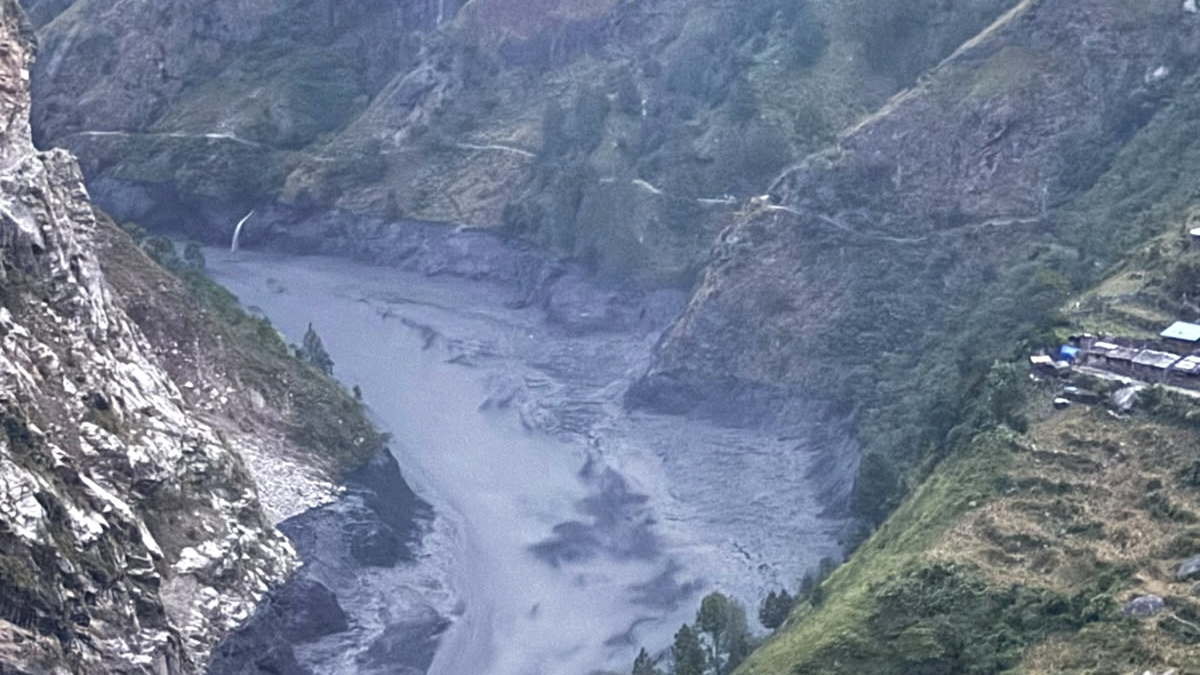
- Core Development: A sudden flash flood triggered by a landslide breach along Nepal's Budhi Gandaki river swept away homes, bridges, and hydropower infrastructure in the Gorkha district.
- Beat Context: Categorized under NHS with independent corroboration.
- Reporting Depth: 3 minute analytical read synthesized from verified newsroom sources.
Residents along the Budhi Gandaki river in north central Nepal fled for higher ground as a sudden flash flood swept away homes, bridges, and hydropower infrastructure. The latest surge struck early on Sunday, 11 October 2026, leaving people missing and forcing emergency evacuations across the Gorkha district.
According to reporting from Newsday, the National Disaster Risk Reduction and Management Authority (NDRRMA) warned residents to move to safer areas and remain on alert as water levels surged. The flash flood was initially caused by a landslide that blocked the Budhi Gandaki river near the village of Chumchure before the resulting natural dam breached. Similar accounts were reported by the BBC, noting that buildings and a hydropower project camp were washed away in the central Gorkha district.
Media additions


The Independent noted that evacuation orders were issued as the floods left multiple people missing, including individuals living in livestock shelters along a tributary. CNBC TV18 added that the flood struck at around 4 am, sweeping away dozens of houses and multiple bridges, while Curly Tales detailed how water levels dramatically exceeded danger thresholds within a matter of hours.
The flooding caused severe destruction across multiple riverside settlements in the northern part of the Gorkha district. Preliminary reports highlighted that roughly 35 houses were washed away in Painyu and Bagar in Ward of Chumnubri Rural Municipality, alongside impacts in Jagat, Salleri, Dovan, and Ghattekhola, as reported by CNBC TV18. Assistant Chief District Officer Netra Prasad Sharma detailed that six bridges were destroyed, encompassing two motorable bridges and four suspension bridges, including crossings at Arughat, Tripurasundari, and Soti-Manbu. Home Minister Sudan Gurung noted that a bridge linking Nyakchet and Philim Bazaar in Chumnubri was also washed away.
The disaster heavily impacted regional energy and transport routes. Infrastructure at the under-construction 341-megawatt Budhi Gandaki hydropower project in Salleri, Chumnubri, suffered severe damage as floodwaters swept away construction camps and equipment. Power and communication towers along the riverside were also compromised, according to Newsday. Additionally, the Manaslu Conservation Area Project reported that tourists heading for the Manaslu trek became stranded after footpaths and bridges were washed away, though they remained safe at their accommodations, per CNBC TV18.
Rescue operations mobilized swiftly in response to the emergency. The Nepal Army, Nepal Police, and Armed Police Force deployed personnel via air and land routes, utilizing helicopters to evacuate stranded residents. Newsday and CNBC TV18 reported that the army had rescued between 48 and 49 individuals by Sunday afternoon. Prime Minister Balendra Shah and Home Minister Sudan Gurung coordinated response efforts, with Prime Minister Shah noting on X that six individuals had been airlifted from the landslide-prone Jagat area by an army contingent, supported by a composite quick reaction team deployed from Kathmandu.
Humanitarian agencies also stepped in to address the crisis. Save the Children mobilized an emergency team to support affected families and children, with Nepal director Tara Chettry emphasizing the distress faced by communities already shaken by earlier disasters. Authorities urged residents in vulnerable riverside settlements, including Sirdibas, Jagat, Salleri, Khorlabesi, Machhakhola, Soti, Arkhet, and Arughat, to stay alert as water levels continued to fluctuate.
The event unfolded against the backdrop of broader climate vulnerability in the region. Nepal was still recovering from catastrophic floods and landslides in August along the mountainous Nepal-China border, which left more than 1,400 people dead and thousands missing, alongside severe damage to roads, bridges, and hydropower projects that left remote communities isolated. NDRRMA estimated those earlier rebuilding efforts would cost $4.77 billion, affecting nearly 33,000 people and damaging approximately 7,500 homes.
As recovery operations begin, authorities will concentrate on restoring cut-off roads and bridges in remote areas where damaged infrastructure continues to complicate aid deliveries. Residents and riverside communities remain on high alert while agencies monitor fluctuating water levels and assess ongoing risks across the region.
How significant is this development?
Contribute your assessment to the aggregated reader sentiment ledger.
Frequently Asked Questions
Key questions answered in this reportWhat is the key development in: Nepal flash flood destroys homes and bridges along Budhi Gandaki river?
A sudden flash flood triggered by a landslide breach along Nepal's Budhi Gandaki river swept away homes, bridges, and hydropower infrastructure in the Gorkha district.
Why is this NHS development significant for the UK?
This report covers critical events in our NHS beat. Independent reporting monitors related UK statements, regulatory shifts, and public responses as further verified details emerge.
How was this reporting corroborated and verified?
Newsarchy UK compiles and cross-references reporting from primary reporting from BBC and cross-checked wire reports. All coverage adheres to published editorial standards.
When was this report published?
This briefing was published on October 11, 2026 and is permanently cataloged in the Newsarchy UK NHS archives.