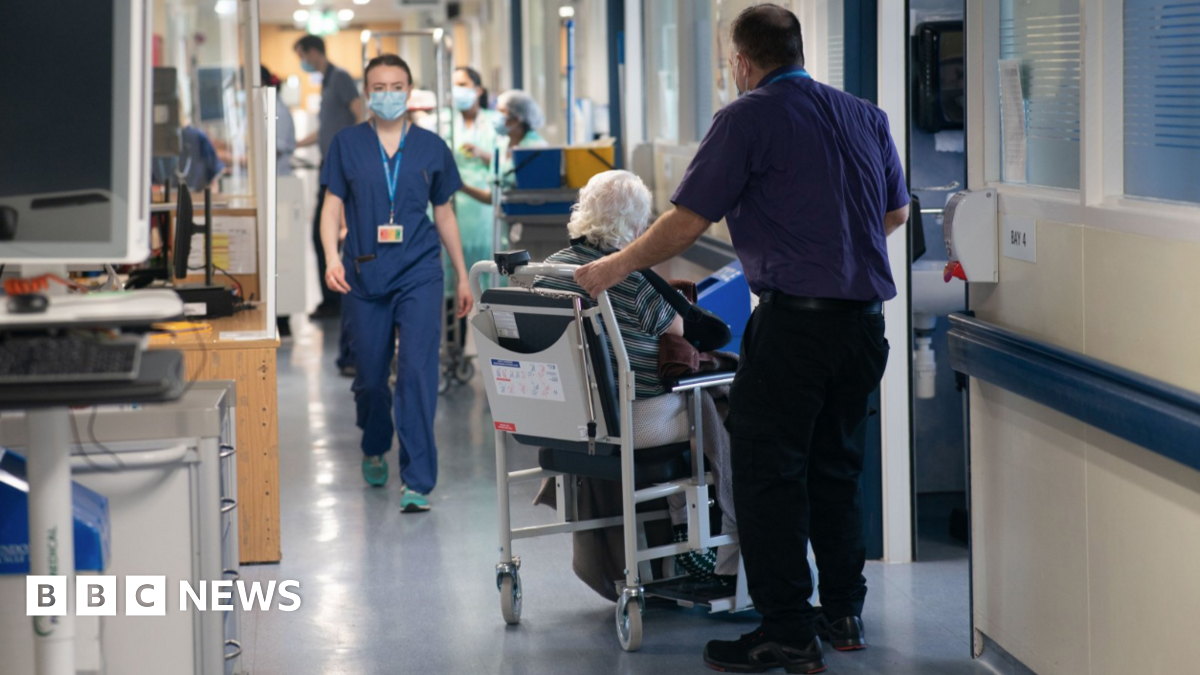
Northern Ireland health service cuts waiting lists with 385,182 extra cases
The Department of Health reported 385,182 additional interventions during 2025/26, citing progress in reducing waiting lists through the Elective Care Framework. Despite these gains, officials acknowledge ongoing challenges including workforce vacancies and rising demand for care.

- Core Development: The Department of Health reported 385,182 additional interventions during 2025/26, citing progress in reducing waiting lists through the Elective Care Framework. Despite these gains, officials acknowledge ongoing challenges including workforce vacancies and rising demand for care.
- Beat Context: Categorized under NHS with independent corroboration.
- Reporting Depth: 3 minute analytical read synthesized from verified newsroom sources.
Northern Ireland’s health service delivered 385,182 additional assessments, diagnostic procedures, and treatments during the 2025/26 financial year. These results, published by the Department of Health on 3 June 2026, document the outcome of the Elective Care Framework. The initiative aimed to reduce severe backlogs and accelerate care for time-critical conditions, addressing some of the longest-standing waiting list pressures in the United Kingdom.
The reported activity includes 313,761 red flag and time-critical interventions, alongside more than 59,000 backlog clearance cases and 12,181 primary care elective interventions. Department officials clarified that these figures are derived from operational management information rather than official statistics. Furthermore, the total excludes administrative validation work, which the department utilized to remove individuals from lists who no longer required treatment or had moved away. According to departmental data for the 2025/26 year, this validation process removed 17,129 duplicates from outpatient lists and 55,241 outpatient administrative records, alongside 6,900 clinical validations.
Media additions


Key Reductions in Waiting Times
The 2025/26 financial year saw progress across several high-priority service areas:
| Service Area | Reduction |
|---|---|
| Projected Inpatient/Day-case waits (4 years+) | 67% |
| Projected Outpatient waits (4 years+) | 54% |
| Endoscopy waiting lists (2025/26 annual) | 38% |
| MRI scanning waits (annual) | 18.5% |
| Overall Inpatient/Day-case lists | 16% |
| NOUS diagnostic services (annual) | 14% |
Targeted non-recurrent funding of £50 million facilitated a 99% reduction in wait times for a specific range of named procedures, affecting over 5,300 patients. This included primary hip and knee replacements, as well as paediatric squints and laparoscopic gallbladder surgeries, which were effectively cleared from the lists. Officials noted that one gallbladder patient remained on the waiting list following final checks.
Strategic Approach and Regional Capacity
Health Minister Mike Nesbitt emphasized the importance of a regional, coordinated strategy to manage the backlogs.
"From the outset, I have been clear that tackling waiting lists requires a sharper focus across our health service. Too many people have waited too long for assessment and treatment, often in pain or with uncertainty about their future. These results demonstrate what can be achieved through determined leadership, sustained investment and a collective effort across Health and Social Care."
Mike Nesbitt, Health Minister, via Department of Health
Efficiency gains were central to the year-end outcomes. Regional theatre utilisation reached 86% during the 2025/26 period, falling slightly short of the 90% target. Day Procedure Centres in Omagh and Lagan Valley reported successful delivery of 97% and 88% of commissioned sessions, respectively. regional endoscopy hubs completed 6,034 procedures throughout the year, bringing the total volume delivered by these centres since October 2022 to 19,679.
Persistent Challenges
Despite these improvements, officials acknowledge significant ongoing pressures. Demand for diagnostic imaging and unscheduled care continues to rise, which often impacts the capacity available for planned care. CT scan activity for unscheduled care increased by 15% between the 2023/24 and 2025/26 periods. Workforce constraints also remain a factor; as of December 2025, there were 6,078 active vacancies across Health and Social Care, with nursing and midwifery posts comprising nearly one-third of these gaps.
The Northern Ireland Executive has ringfenced £80 million to support the next 12 months of elective care and capacity building. Minister Nesbitt noted that while the current progress is positive, achieving the necessary reductions will be a long-term challenge. Regarding future requirements, the Minister has previously indicated an estimate that clearing backlogs would require £135 million annually over a five-year period.
What to Watch Next
- Spending Deployment: The Department of Health is currently prioritising the allocation of the £80 million ringfenced funding, with final plans to be announced in due course.
- Performance Reporting: Future quarterly performance data will be monitored to determine if the 2025/26 gains represent a sustainable trajectory or a temporary shift, particularly as officials track the impact of high-risk patient prioritisation under the Programme for Government.
How significant is this development?
Contribute your assessment to the aggregated reader sentiment ledger.
Frequently Asked Questions
Key questions answered in this reportWhat is the key development in: Northern Ireland health service cuts waiting lists with 385,182 extra cases?
The Department of Health reported 385,182 additional interventions during 2025/26, citing progress in reducing waiting lists through the Elective Care Framework. Despite these gains, officials acknowledge ongoing challenges including workforce vacancies and rising demand for care.
Why is this NHS development significant for the UK?
This report covers critical events in our NHS beat. Independent reporting monitors related UK statements, regulatory shifts, and public responses as further verified details emerge.
How was this reporting corroborated and verified?
Newsarchy UK compiles and cross-references reporting from primary reporting from bbc.co.uk and cross-checked wire reports. All coverage adheres to published editorial standards.
When was this report published?
This briefing was published on July 3, 2026 and is permanently cataloged in the Newsarchy UK NHS archives.