NHS waiting times for emergency and elective care remain below targets
New performance data reveals ongoing pressure on the NHS, with elective waiting lists increasing and emergency departments struggling to meet official goals. Analysts have also raised concerns regarding the methods used to report reductions in waiting lists.

- Core Development: New performance data reveals ongoing pressure on the NHS, with elective waiting lists increasing and emergency departments struggling to meet official goals. Analysts have also raised concerns regarding the methods used to report reductions in waiting lists.
- Beat Context: Categorized under NHS with independent corroboration.
- Reporting Depth: 3 minute analytical read synthesized from verified newsroom sources.
Pressure on the National Health Service in England remains intense, as the latest performance data reveals a dual challenge: elective care waiting lists have risen for the second consecutive month, while emergency departments continue to contend with persistent delays. The total number of treatments awaiting completion has climbed to 7.40 million, affecting 6.25 million patients. This reflects an increase from the 7.37 million treatments recorded in the prior month.
The accumulation of these backlogs stands in contrast to official government and NHS England goals. While some progress has been noted, the total list size remains significantly higher than the 4.57 million treatments recorded in February 2020, prior to the pandemic.
Media additions


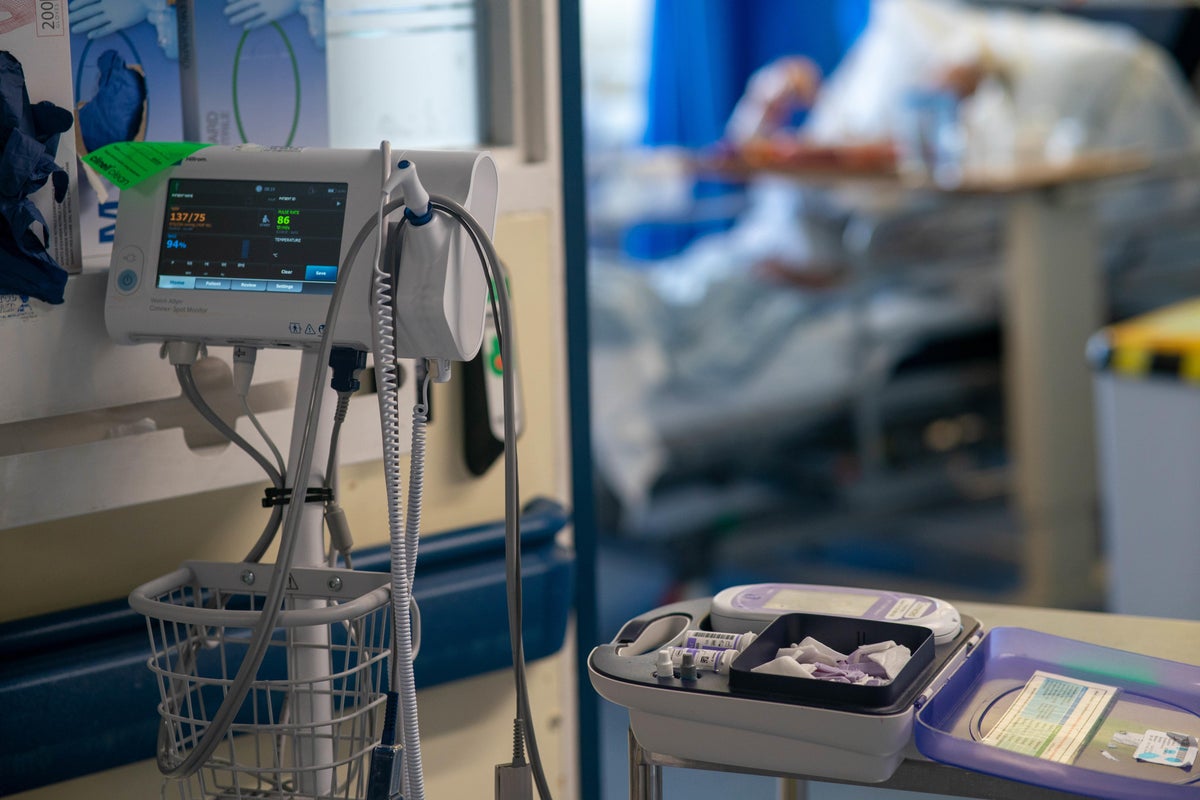
Emergency Care and Corridor Challenges
Emergency departments face ongoing strain, with recent reports indicating that 75.9% of patients were seen within the four-hour target, falling short of the 78% operational target set for March 2026. A notable symptom of this crisis is the prevalence of "corridor care", defined as a patient spending at least 45 minutes in a clinically inappropriate area, such as a waiting room, storage space, or a queuing ambulance.
Data from May 2026 confirms the scale of this issue, with an average of 2,241 instances of corridor care in emergency departments per day, alongside 669 instances occurring elsewhere in hospitals. Analysts at the British Medical Association suggest these figures likely underestimate the true extent of the problem, as the current reporting lacks historical comparison data and fails to record the exact duration of these waits.
Transparency Concerns
A debate has emerged regarding the accuracy and interpretation of reported waiting list reductions. Research from the Nuffield Trust suggests that fluctuations in the data are not driven solely by increased clinical activity. Analysts point out that an average of approximately 245,000 cases are removed from the waiting list each month for reasons other than the completion of treatment, including patient deaths or individuals seeking care elsewhere.
Cancer care performance also remains below target. In July 2026, 76.6% of patients urgently referred for suspected cancer were diagnosed or had cancer ruled out within 28 days, missing the 80% target set for March 2026. Additionally, only 69.2% of patients received their first definitive treatment within 62 days of an urgent referral or consultant upgrade, remaining below the 75% target.
What to Watch Next
- March 2026 Targets: This date serves as the deadline for several critical milestones, including the 78% four-hour A&E target, the 80% cancer referral diagnosis target, and a requirement to reduce the proportion of patients waiting over 52 weeks for treatment to less than 1%.
- Industrial Relations: Following recent five-day strikes by resident doctors, the Health Secretary and the British Medical Association have agreed to continue engagement throughout the summer to address pay disputes and prevent further disruptions to patient care.
- Data Reporting: Following the introduction of formal metrics, analysts will continue to monitor whether the recording of "corridor care" leads to improved visibility of patient experience or if it remains limited by existing collection methods.
- Infrastructure: Efforts to address the backlog include the use of new surgical hubs and weekend scanning initiatives. These are intended to alleviate pressure on diagnostic services, which currently report that over 375,000 people have been waiting longer than six weeks for a key test.
How significant is this development?
Contribute your assessment to the aggregated reader sentiment ledger.
Frequently Asked Questions
Key questions answered in this reportWhat is the key development in: NHS waiting times for emergency and elective care remain below targets?
New performance data reveals ongoing pressure on the NHS, with elective waiting lists increasing and emergency departments struggling to meet official goals. Analysts have also raised concerns regarding the methods used to report reductions in waiting lists.
Why is this NHS development significant for the UK?
This report covers critical events in our NHS beat. Independent reporting monitors related UK statements, regulatory shifts, and public responses as further verified details emerge.
How was this reporting corroborated and verified?
Newsarchy UK compiles and cross-references reporting from primary reporting from bbc.com and cross-checked wire reports. All coverage adheres to published editorial standards.
When was this report published?
This briefing was published on July 3, 2026 and is permanently cataloged in the Newsarchy UK NHS archives.