UK inflation holds at 8.7% in May, stalling cost‑of‑living fight
Britain’s annual inflation rate remained at 8.7% in May, while core inflation reached its highest rate in over 30 years. Rising costs continue to pressure household budgets, leading to industrial action and increased financial vulnerability.
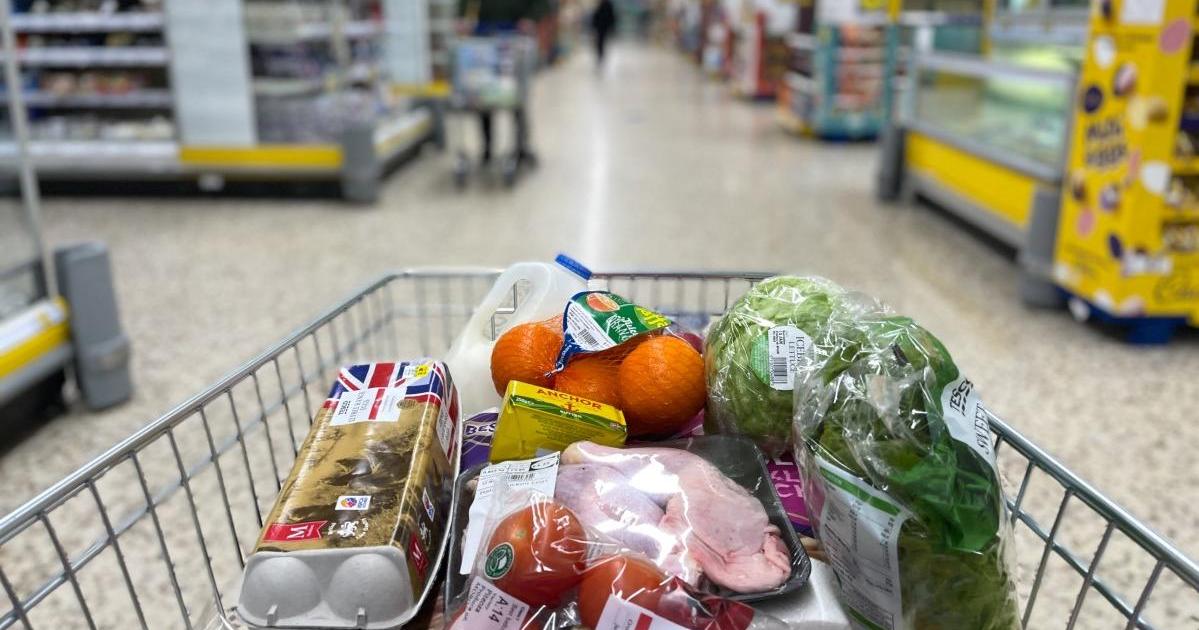
- Core Development: Britain’s annual inflation rate remained at 8.7% in May, while core inflation reached its highest rate in over 30 years. Rising costs continue to pressure household budgets, leading to industrial action and increased financial vulnerability.
- Beat Context: Categorized under Cost of Living with independent corroboration.
- Reporting Depth: 3 minute analytical read synthesized from verified newsroom sources.
Britain’s annual inflation rate remained at 8.7 % in May, a surprise to markets that had been betting on a dip from April’s level.
“Inflation is what erodes people’s savings and pushes up prices, and ultimately makes them poorer,” Sunak told parliament. The Treasury’s target of 5 % by year‑end now looks increasingly distant, and the government’s reluctance to meet teachers’ and health‑workers’ pay demands has already sparked months of industrial action.
Media additions


“We will not hesitate in our resolve to support the Bank of England as it seeks to squeeze inflation out of our economy,” Hunt said, echoing the sentiment of senior analysts who warn that “inflationary pressures … are not under control” (Sboll).
Sarah Coles, head of personal Finance at Hargreaves Lansdown, noted that “core inflation rose again, to its highest rate in over 30 years.” She added that lower energy costs may eventually ease supermarket prices, but “in an awful lot of cases this isn’t going to bring prices down, they’ll just get more expensive more slowly.”
Yael Selfin, chief economist at KPMG UK, warned that the strong core figure suggests firms are now passing higher wage‑bill costs onto consumers. The same observation appears in the Enca report.
ONS chief economist Grant Fitzner highlighted “sticky” contributors beyond food and fuel – rising airfares, second‑hand car prices, live‑music tickets and computer games – that helped keep headline inflation high.
“The prices go up every week. Bread, cheese… it’s ridiculous,” said Ray Turner, 65, outside a Tesco store (The News International). Alba Martinez, a 35‑year‑old midwife on maternity leave, described herself as “poorer than ever”, adding that her family now buys and cooks in bulk to stretch limited funds.
The rise in mortgage rates and rents compounds the squeeze, while pay rises in both the private and public sectors lag behind the 8.7 % price climb. The combination has fueled a wave of strikes among teachers and NHS staff demanding wages that keep pace with living costs.
Facing the inflation vortex, some Britons have turned to “safe‑haven” assets. A recent Yahoo Finance investigation recorded a wave of gold‑investment scams, where investors poured totals such as £70 k and £115 k into forward‑sale contracts that never delivered.
Drew Donnelly, who invested £71 000 across two purchases, described the experience as a “nightmare” that has taken a toll on his health and family life. Similar stories emerged from an 60‑member WhatsApp support group, whose members have seen banks reimburse only a fraction of contracts, with HSBC, NatWest, Santander and Barclays each handling separate “civil dispute” or “scam” determinations.
“If the touted returns on investments sound too good to be true then they probably are,” a Financial Conduct Authority spokesperson warned, underscoring how volatility in real‑world asset prices can lure vulnerable savers into high‑risk schemes.
According to the Wikipedia entry on the UK cost‑of‑living crisis, the surge in prices began in late 2021, driven by pandemic‑related supply‑chain disruptions, Brexit‑induced trade frictions and the Russo‑Ukrainian war. Real disposable incomes have been on a downward trajectory, with the Joseph Rowntree Foundation projecting continued declines through the remainder of the decade.
The Office for National Statistics notes that about half of the nation’s food is imported, making UK food prices especially sensitive to global shocks. Energy costs have also been volatile: the UK imports most of its gas, and policies to wean off Russian supplies have yet to translate into cheaper household bills.
| Metric | May 2026 | Commentary |
|---|---|---|
| Headline CPI | 8.7 % | Unchanged from April; highest among G7. |
| Core CPI (ex‑food & energy) | 7.1 % | Highest in over 30 years; driving wage‑pass‑through. |
| Food price inflation | 18.4 % | Near all‑time high despite modest easing. |
| Bank Rate | 4.5 % | 15‑year high; 13th consecutive hike expected. |
| Government target | 5 % by year‑end | Requires a steep acceleration in price moderation. |
With inflation stubbornly lodged at 8.7 %, the UK’s cost‑of‑living battle remains far from over. Policymakers face a tightrope: tighten monetary policy enough to break the core‑inflation cycle, while avoiding a deeper recession that would erode real wages even further. Meanwhile, households continue to seek shelter in risky “safe‑haven” schemes, highlighting the human cost lurking behind the headline numbers.
How significant is this development?
Contribute your assessment to the aggregated reader sentiment ledger.
Frequently Asked Questions
Key questions answered in this reportWhat is the key development in: UK inflation holds at 8.7% in May, stalling cost‑of‑living fight?
Britain’s annual inflation rate remained at 8.7% in May, while core inflation reached its highest rate in over 30 years. Rising costs continue to pressure household budgets, leading to industrial action and increased financial vulnerability.
Why is this Cost of Living development significant for the UK?
This report covers critical events in our Cost of Living beat. Independent reporting monitors related UK statements, regulatory shifts, and public responses as further verified details emerge.
How was this reporting corroborated and verified?
Newsarchy UK compiles and cross-references reporting from primary reporting from timesofmalta.com and cross-checked wire reports. All coverage adheres to published editorial standards.
When was this report published?
This briefing was published on July 3, 2026 and is permanently cataloged in the Newsarchy UK Cost of Living archives.