Norway to Ban Smart Glasses in Parks, Museums, Schools Temporarily
The Norwegian government plans to introduce a temporary ban on smart glasses in designated public places due to growing privacy concerns.
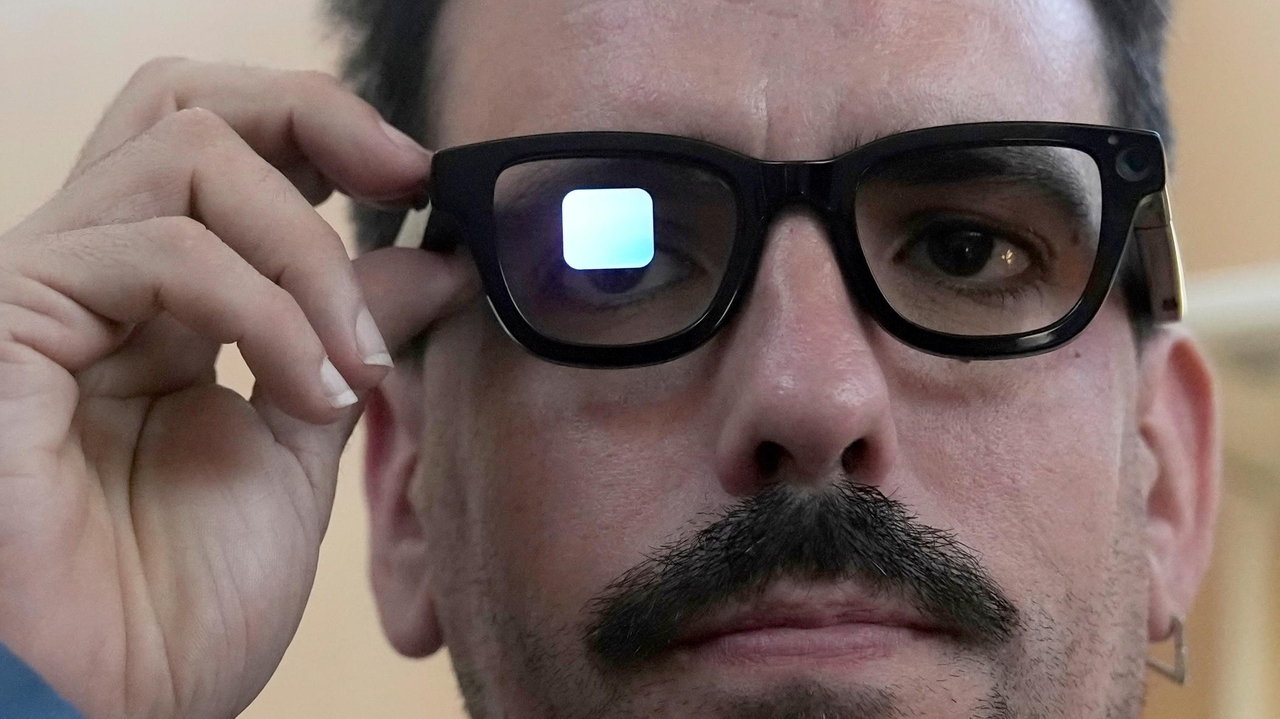
- Core Development: The Norwegian government plans to introduce a temporary ban on smart glasses in designated public places due to growing privacy concerns.
- Beat Context: Categorized under NHS with independent corroboration.
- Reporting Depth: 4 minute analytical read synthesized from verified newsroom sources.
The Norwegian government has announced its intention to introduce a temporary ban on the use of smart glasses in designated public places due to growing concerns over privacy violations. The proposed legislation, which targets devices capable of taking photographs, recording conversations, or streaming video without the subjects' knowledge, reflects a mounting international backlash against wearable camera technology. As Irish Examiner reporting notes, the minority Labour government plans to submit the bill to parliament as soon as possible, alongside the creation of an expert group tasked with exploring permanent regulations.
The restrictions under consideration would affect a wide array of public and semi-public spaces. According to Jiji Press/Adnkronos coverage, the targeted locations include parks, beaches, museums, shopping centres, public events, schools, kindergartens, healthcare facilities, gyms, and swimming pools. Authorities emphasize that the measure is not a generalized or total ban, as private use and instances where others are not at risk of being filmed without consent would remain permitted. Furthermore, officials are considering potential exceptions for vulnerable groups to ensure that socially beneficial applications of the technology can continue under specific circumstances.
Media additions
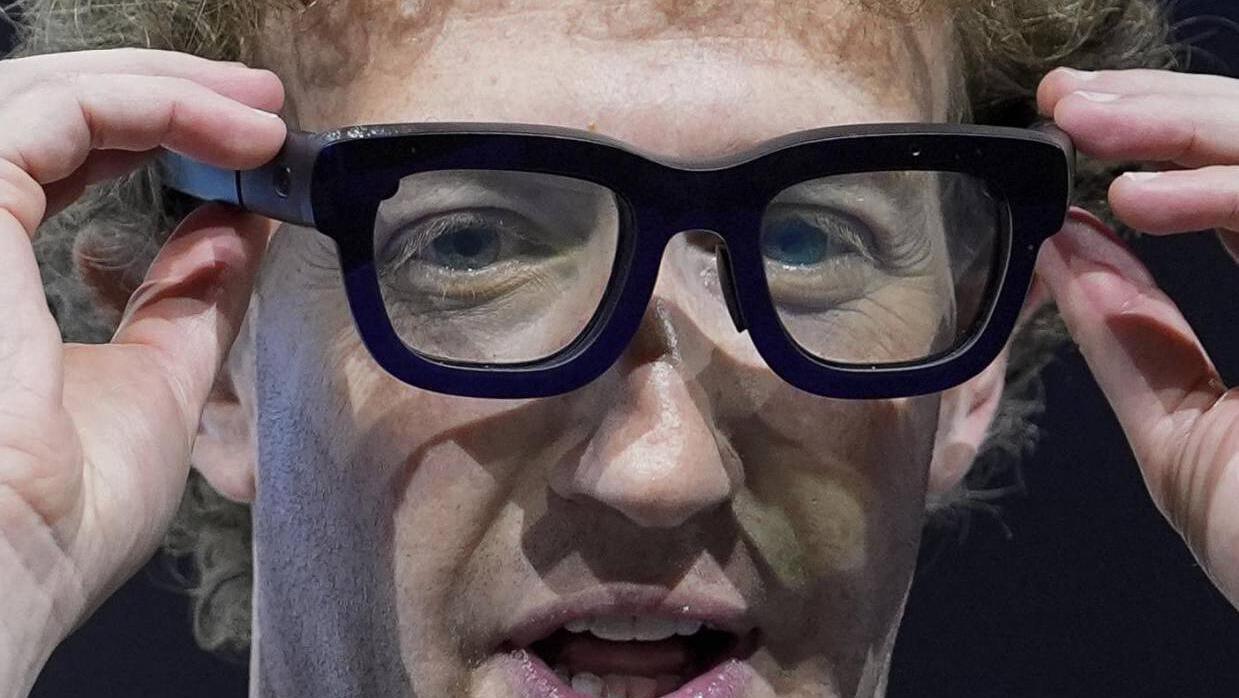
The urgency behind the Norwegian proposal stems from fears regarding surreptitious surveillance. Digitalisation and Public Administration Minister Torgeir Micaelsen expressed strong reservations about the technology, stating: I am worried that new, powerful technology is being introduced where people risk being photographed, filmed or audio-recorded without knowing it.
This sentiment was echoed by Adam Smith, a technology advocacy officer at Privacy International, who described the move as a welcome protection against data extraction that ignores personal privacy rights, stating, No reality exists in which people expect to be secretly surveilled going about their daily lives.
Similar anxieties are rippling across Europe and beyond. In France, the e-Enfance association reported receiving numerous complaints regarding women filmed without consent, predominantly using Meta-branded eyewear, with footage subsequently weaponized for ridicule or harassment online. The Paris Public Prosecutor's Office has subsequently opened investigations into multiple complaints. Commercial entities are also acting independently. Hans Anders, a prominent Dutch eyewear retailer, suspended sales of Ray-Ban Meta glasses to await the outcome of the political and public debate, while the UK Cinema Association introduced policies to restrict camera-enabled eyewear over privacy and film piracy concerns.
Hospitality venues have similarly drawn lines. London restaurateur Jeremy King and pub chain Wetherspoons have instituted bans on camera glasses within their premises. Wetherspoons chief executive Tim Martin stated that the devices enable surreptitious surveillance that breaches common sense and pub codes of conduct, comparing the measure to existing policies against the audible playing of videos.
Industry responses have focused primarily on built-in safety mechanisms and user responsibility guidelines. Meta, which produces the smart glasses in partnership with Ray-Ban and Oakley, maintains that its products feature an LED light that flashes during photo or video capture. According to the company, this light cannot be disabled without rendering the camera entirely unusable, and the firm advises users to respect others' preferences. However, privacy advocates and victims' accounts point to persistent vulnerabilities, leading platforms like Instagram to remove harassing or non-consensual content.
The regulatory landscape remains fragmented internationally. While Norway moves toward legislative intervention and local authorities such as the City of Oslo have already restricted camera glasses in educational institutions, other jurisdictions have experienced setbacks. In California, the state governor recently vetoed legislation that would have penalized the unauthorized recording of individuals in private spaces like doctors' offices and changing rooms.
| Entity / Jurisdiction | Action Taken | Scope / Target Area |
|---|---|---|
| Norway Government | Proposed temporary ban | Parks, beaches, schools, healthcare facilities, and gyms |
| City of Oslo | Restricted camera glasses | Educational institutions |
| Hans Anders (Netherlands) | Suspended sales | Ray-Ban Meta smart glasses |
| UK Cinema Association | Introduced restrictions/prohibitions | Cinemas |
| Wetherspoons (UK) | Prohibited recording | Pub interiors |
As the debate broadens, Norwegian authorities will examine the precise scope of technology the legislation should cover, weighing whether to restrict devices with camera and audio capabilities, AI functions, or other body-worn recording gear.
How significant is this development?
Contribute your assessment to the aggregated reader sentiment ledger.
Frequently Asked Questions
Key questions answered in this reportWhat is the key development in: Norway to Ban Smart Glasses in Parks, Museums, Schools Temporarily?
The Norwegian government plans to introduce a temporary ban on smart glasses in designated public places due to growing privacy concerns.
Why is this NHS development significant for the UK?
This report covers critical events in our NHS beat. Independent reporting monitors related UK statements, regulatory shifts, and public responses as further verified details emerge.
How was this reporting corroborated and verified?
Newsarchy UK compiles and cross-references reporting from primary reporting from newsday.com and cross-checked wire reports. All coverage adheres to published editorial standards.
When was this report published?
This briefing was published on October 6, 2026 and is permanently cataloged in the Newsarchy UK NHS archives.