Karolinska Institutet opens Nobel Prize week with Medicine award announcement
The Karolinska Institutet has opened Nobel Prize week by awarding the Physiology or Medicine prize to the pioneers of optogenetics.

- Core Development: The Karolinska Institutet has opened Nobel Prize week by awarding the Physiology or Medicine prize to the pioneers of optogenetics.
- Beat Context: Categorized under NHS with independent corroboration.
- Reporting Depth: 3 minute analytical read synthesized from verified newsroom sources.
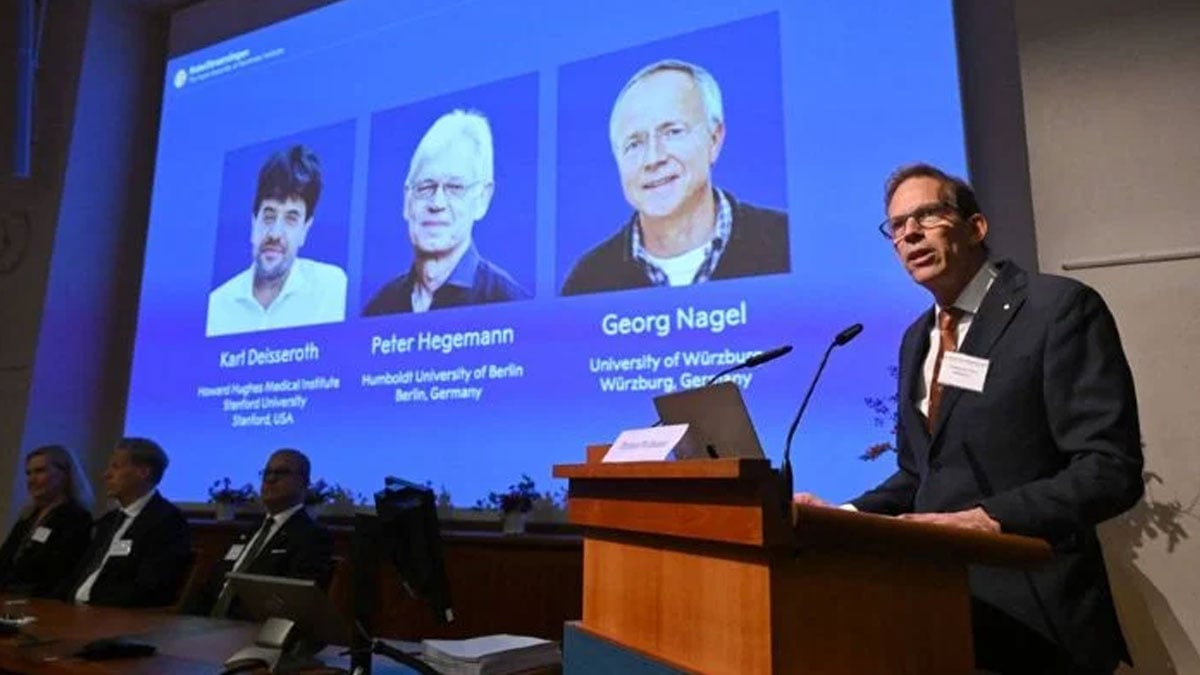
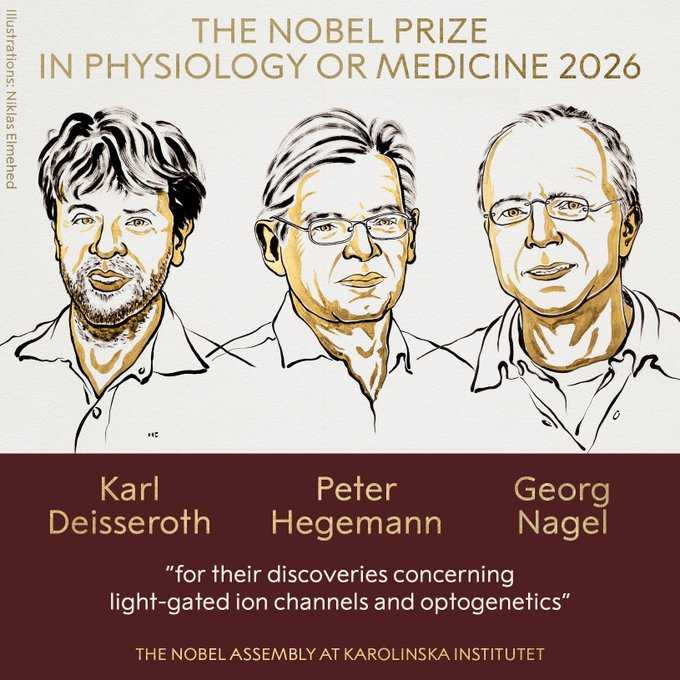
The annual ritual that can alter a scientist's life in an instant has officially begun in Stockholm. On Monday, 5 October 2026, the Nobel Assembly at the Karolinska Institutet kicked off Nobel Prize week by announcing the recipient of the prize in Physiology or Medicine. As reported by Trending on Weibo, the 2026 prize has been awarded to the pioneers of optogenetics: Karl Deisseroth of Stanford University and the Howard Hughes Medical Institute, Peter Hegemann of Humboldt University in Berlin, and Georg Nagel of the University of Würzburg, recognizing their novel discoveries of light-gated ion channels that allow researchers to control brain cells using light.
According to reporting compiled by Adronkoros Health via Jen, the winning scientists received the customary early morning phone call from Thomas Perlmann, secretary of the Nobel Assembly and the Nobel Committee at the Karolinska Institutet. The announcement inaugurates a packed schedule of recognitions established by Alfred Nobel to reward those who confer the greatest benefit to humankind. The laureates share the prize money, which for 2026 totals 12 million Swedish kronor, accompanied by the traditional medal and diploma awarded during December ceremonies in Stockholm.
Media additions
Before the official verdict was announced, scientific communities worldwide engaged in intense speculation and prediction polling. Industry publications and researchers had put forward numerous frontrunners. The Scientist published reader surveys highlighting several heavy favorites across different biomedical fields, including sleep researchers Emmanuel Mignot and Masashi Yanagisawa for their discovery of orexin and its role in narcolepsy regulation, and endocrinologist John Eng alongside pharmaceutical scientist Lotte Bjerre Knudsen for their foundational work on glucagon-like peptide-1 (GLP-1) peptide hormones.
Parallel analysis by Streamlinefeed noted that GLP-1 receptor agonist researchers—specifically Canadian endocrinologist Daniel Drucker, Danish physiologist Jens Juul Holst, and American chemist Svetlana Mojsov—led many pre-announcement predictions due to the massive global impact of anti-diabetes and weight-loss medications like Ozempic, Wegovy, and Mounjaro. Meanwhile, Digital Journal reported that prominent prize watchers like David Pendlebury of Clarivate analytics had alternatively favored geneticist Mary-Claire King and oncologist Dennis Slamon for discovering the BRCA1 breast cancer gene and developing Herceptin, or researchers connected to mRNA vaccine technology such as Katalin Kariko, Drew Weissman, and Pieter Cullis.
The announcement arrives under the heavy shadow of global conflict. As Digital Journal points out, the 2026 awards are unfolding while war rages in Europe following the invasion of Ukraine, amplifying anticipation for upcoming announcements such as the Nobel Peace Prize in Oslo. Social and cultural reactions varied regionally. On Chinese digital platforms highlighted by Trending on Weibo, news of the optogenetics breakthrough spread rapidly alongside national discussions regarding domestic contenders in science and the evolving public perception of the Nobel medals as markers of achievement rather than rigid national scorecards.
| 2026 Nobel Category | Announcement Date | Key Contenders / Focus Fields Cited by Observers |
|---|---|---|
| Physiology or Medicine | 5 October 2026 | Optogenetics (Won by Deisseroth, Hegemann, Nagel); GLP-1 Discoverers (Drucker, Holst, Mojsov); Orexin (Mignot, Yanagisawa); BRCA1 (King, Slamon) |
| Physics | 6 October 2026 | Metamaterials and invisibility cloaks (John Pendry); Quantum sensing; Modern optics |
| Chemistry | 7 October 2026 | Protein folding (Horwich, Hartl); Lipid nanoparticle mRNA delivery (Cullis); Gene editing (David Liu) |
| Literature | 8 October 2026 | Mainstream and international authors including Michel Houellebecq, Salman Rushdie, and Annie Ernaux |
| Peace | 9 October 2026 | International Criminal Court, Alexei Navalny, Svetlana Tikhanovskaya, environmental activists |
| Economic Sciences | 12 October 2026 | Concluding category of the 2026 Nobel Prize announcements |
The unveiling of the Medicine laureate sets into motion a continuous week of international scientific and cultural focus. With the Karolinska Institutet having delivered its verdict on optogenetics, attention immediately shifts to subsequent prize announcements. Physics laureates are scheduled for revelation on Tuesday, 6 October 2026, followed by Chemistry on Wednesday, 7 October 2026, Literature on Thursday, 8 October 2026, the Peace Prize on Friday, 9 October 2026, and Economic Sciences concluding the cycle on Monday, 12 October 2026, as detailed by Jen.
How significant is this development?
Contribute your assessment to the aggregated reader sentiment ledger.
Frequently Asked Questions
Key questions answered in this reportWhat is the key development in: Karolinska Institutet opens Nobel Prize week with Medicine award announcement?
The Karolinska Institutet has opened Nobel Prize week by awarding the Physiology or Medicine prize to the pioneers of optogenetics.
Why is this NHS development significant for the UK?
This report covers critical events in our NHS beat. Independent reporting monitors related UK statements, regulatory shifts, and public responses as further verified details emerge.
How was this reporting corroborated and verified?
Newsarchy UK compiles and cross-references reporting from primary reporting from jen.jiji.com and cross-checked wire reports. All coverage adheres to published editorial standards.
When was this report published?
This briefing was published on October 5, 2026 and is permanently cataloged in the Newsarchy UK NHS archives.