Optogenetics pioneers win 2026 Nobel Prize in Medicine for brain research
Three scientists won the 2026 Nobel Prize in Physiology or Medicine for developing optogenetics, a technique enabling researchers to control brain activity using light.
- Core Development: Three scientists won the 2026 Nobel Prize in Physiology or Medicine for developing optogenetics, a technique enabling researchers to control brain activity using light.
- Beat Context: Categorized under NHS with independent corroboration.
- Reporting Depth: 4 minute analytical read synthesized from verified newsroom sources.
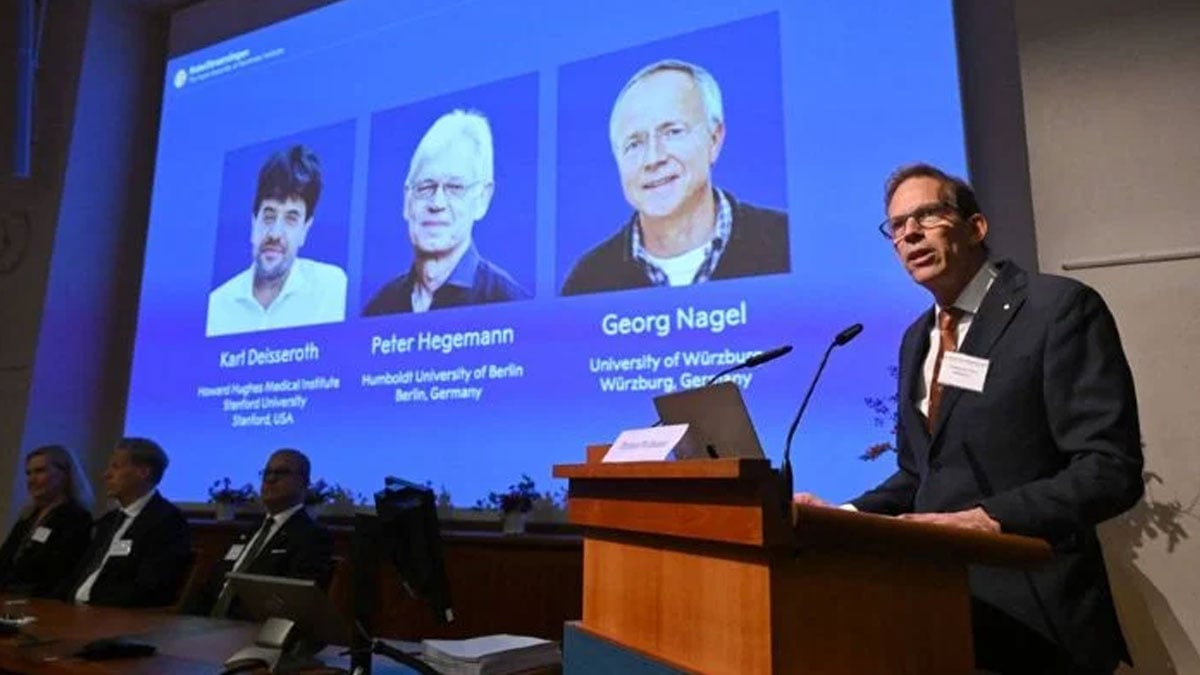
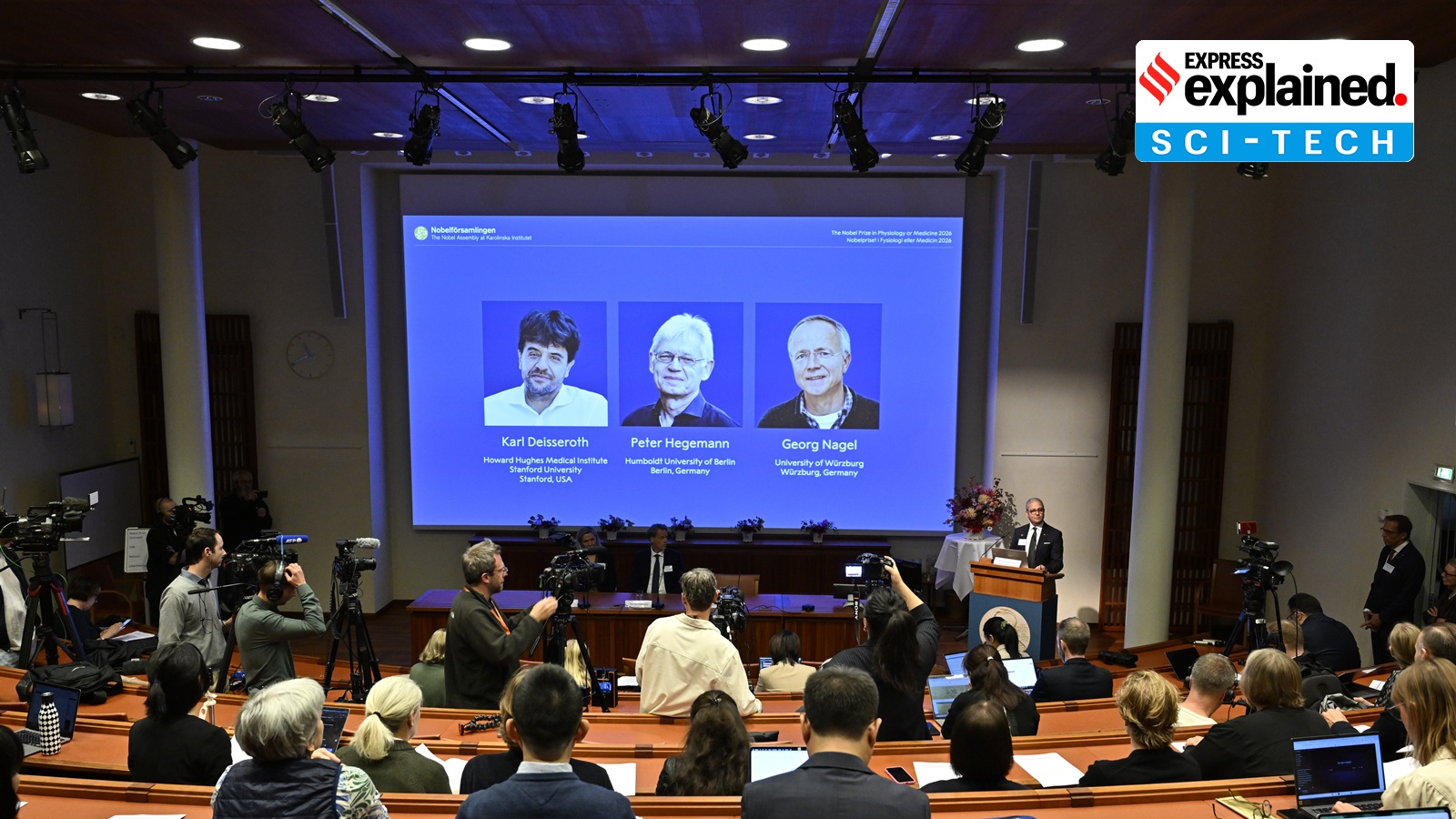
Three pioneering scientists have been awarded the 2026 Nobel Prize in Physiology or Medicine for breakthrough research that allows researchers to control brain activity using light. Announced on Monday, 5 October 2026 at the Karolinska Institute in Stockholm, the prestigious award recognises Karl Deisseroth, Peter Hegemann, and Georg Nagel for their fundamental discoveries concerning light-gated ion channels and the development of optogenetics, a technique transforming global neuroscience research.
The method fundamentally alters how neuroscientists study complex neurological and psychiatric conditions. According to the Nobel Prize official press release, optogenetics has transitioned the field from merely observing brain activity to actively writing into it, establishing precise causal links between specific neural circuits and behavior, emotion, and cognition. Per Svenningsson, Chair of the Nobel Committee for Physiology or Medicine, stated Optogenetics provides opportunities for mapping the brain in a way that we could once only dream of
.
Media additions


The journey toward this year's prize began decades ago through botanical curiosity. Peter Hegemann investigated the unicellular green alga *Chlamydomonas*, wondering how its tiny orange eyespot allowed it to swim toward light sources within milliseconds. Teaming up with Georg Nagel, Hegemann tested algal genes in frog egg cells, proving their hypothesis that specific algal proteins acted as light-gated ion channels. Named channelrhodopsin-1 and channelrhodopsin-2, these proteins opened within fractions of a millisecond upon blue light illumination, permitting charged ions to flood cells and trigger electrical impulses.
Karl Deisseroth subsequently transformed these algal discoveries into an applied neurological tool. By introducing the gene encoding channelrhodopsin-2 into rat nerve cells and later into the brains of living mice, Deisseroth demonstrated that targeted bursts of blue light could reliably activate or silence specific nerve populations.
| Laureate | Age | Institution | Key Contribution |
|---|---|---|---|
| Karl Deisseroth | 54 | Stanford University / Howard Hughes Medical Institute | Engineered channel-rhodopsin into a light-controlled switch for living nerve cells. |
| Peter Hegemann | 71 | Humboldt University of Berlin | Discovered channelrhodopsin proteins in single-celled algae. |
| Georg Nagel | 73 | University of Würzburg | Proved algal proteins function as light-gated ion channels in cellular tests. |
According to NBC News and other reports, the laureates will share a cash award of 12 million Swedish kronor. Thomas Perlmann, secretary of the medicine committee, successfully reached all three recipients by telephone ahead of the public announcement in Sweden.
Reaction from the wider scientific community has been swift. Jeremy Berg of the University of Pittsburgh, formerly of the National Institutes of Health, noted via KSAT that the foresight behind funding Deisseroth's early vision paid off precisely as planned, describing it as a very precise set of tools for doing experiments about how the brain works that are pretty hard to do any other way
.
Deisseroth, speaking from his Northern California home, admitted to getting no real sleep after receiving the predawn call, noting that his immediate priority remained preparing school lunches for his children. As a self-described night owl, he had been up late working on papers and emailing students before receiving the call from the Nobel assembly.
Practical applications of optogenetics extend well beyond basic rodent models. Ongoing clinical trials utilize channelrhodopsin-like proteins placed into human retinas to restore rudimentary vision for patients suffering from degenerative eye conditions. Researchers also anticipate refining cochlear implants and deepening clinical understanding surrounding Parkinson’s disease, schizophrenia, anxiety, and depression.
The prize carries forward traditions dating back to the will of Alfred Nobel, whose original five prizes have been awarded since 1901. Last year, the Nobel Assembly at the Karolinska Institute awarded the prize to Mary E. Brunkow, Fred Ramsdell, and Shimon Sakaguchi for discoveries related to peripheral immune tolerance.
What to Watch Next
- Tuesday, 6 October 2026: Announcement of the Nobel Prize in Physics.
- Wednesday, 7 October 2026: Announcement of the Chemistry laureates.
- Thursday, 8 October 2026: Reveal of the Literature prize.
- Friday, 9 October 2026: Announcement of the Nobel Peace Prize in Oslo.
- Monday, 12 October 2026: Concluding announcement of the Nobel Memorial Prize in Economic Sciences.
- 10 December 2026: Formal award ceremonies and banquets held in Stockholm and Oslo on the anniversary of Alfred Nobel's death, attended by the royal families of Sweden and Norway.
How significant is this development?
Contribute your assessment to the aggregated reader sentiment ledger.
Frequently Asked Questions
Key questions answered in this reportWhat is the key development in: Optogenetics pioneers win 2026 Nobel Prize in Medicine for brain research?
Three scientists won the 2026 Nobel Prize in Physiology or Medicine for developing optogenetics, a technique enabling researchers to control brain activity using light.
Why is this NHS development significant for the UK?
This report covers critical events in our NHS beat. Independent reporting monitors related UK statements, regulatory shifts, and public responses as further verified details emerge.
How was this reporting corroborated and verified?
Newsarchy UK compiles and cross-references reporting from primary reporting from NBC News and cross-checked wire reports. All coverage adheres to published editorial standards.
When was this report published?
This briefing was published on October 5, 2026 and is permanently cataloged in the Newsarchy UK NHS archives.