New surgical hubs to launch across Wales to cut waiting times
Up to ten dedicated surgical hubs are being launched across Wales as part of a £145 million healthcare initiative designed to protect routine operations from emergency cancellations.

New surgical hubs are launching across Wales to protect routine operations from emergency cancellations and reduce NHS waiting times as part of a major healthcare overhaul.
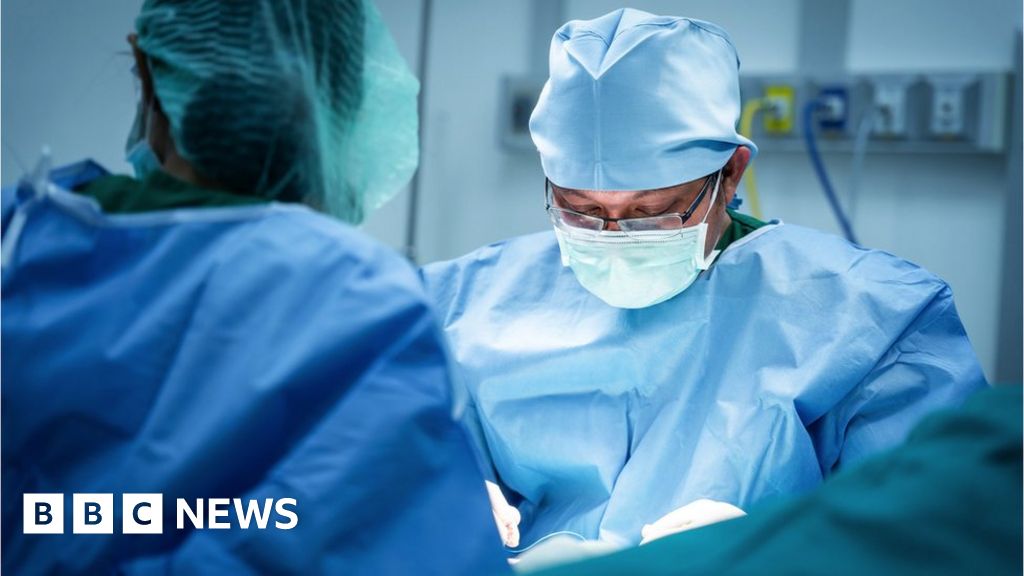
According to Nation.Cymru reporting, the initiative will see up to ten dedicated surgical hubs open across Wales over the next four years. These facilities are designed to handle planned procedures such as hip and knee replacements, cataract surgery, and hernia repairs. Each hub will operate with its own dedicated staff, theatres, and beds, ensuring that scheduled operations are not postponed when emergency departments face surges in acute admissions. The strategy mirrors similar efforts across the wider healthcare network, where separate surgical infrastructure has been deployed to ring-fence routine care from winter pressures and acute backlogs, as explored further in BBC health analysis regarding England's parallel rollout of community diagnostic centres and surgical hubs.
Media additions


The plans form a cornerstone of the Welsh Government’s First 100 Days Plan, supported by an investment of £145 million directed toward tackling long waiting lists and expanding diagnostic capacity. To drive the delivery of these facilities, an Elective Care Expert Group has been established, bringing together senior clinical and operational leaders. The independent chair of the expert panel is recently retired consultant orthopaedic surgeon Rhidian Morgan-Jones, joined by figures such as Professor Jon Barry, Director for Wales of the Royal College of Surgeons, Dr Claire R Dunstan, Sophie O’Donovan, and Corrina Casey. The expert group has been tasked with producing a detailed delivery plan by the end of 2026, determining exact locations, and evaluating best practices from established facilities elsewhere in the UK.
Progress on the ground is already visible. Cabinet Minister for Health and Care Mabon ap Gwynfor recently visited the surgical hub at Llandough Hospital to inspect operations first-hand. The Llandough facility is anticipated to achieve full accreditation early next year. Proponents argue that clustering routine orthopaedic and general surgery into dedicated, ring-fenced environments directly addresses the systemic bottlenecks that have historically forced hospitals to pause scheduled treatments during periods of high demand. Similar standalone units elsewhere — such as the Cambridge Movement Surgical Hub at Addenbrooke's Hospital — have demonstrated how protected capacity allows trusts to maintain orthopaedic throughput through winter months, treating hundreds of patients while integrating necessary physiotherapy and occupational therapy under one roof, as detailed by BBC News.
The launch of the Welsh hubs coincides with the publication of performance figures indicating shifts in healthcare metrics. According to official Welsh Government releases, the longest waiting times for treatment have fallen below 5,000, and the total waiting list stands nearly 70,000 lower than the same period in the previous year. Furthermore, reductions were recorded in the number of patient pathways waiting over a year for an initial outpatient appointment. Despite these encouraging indicators, acute services continue to experience severe strain. A newly introduced Emergency and Acute Care Policy Framework targets whole-system flow and delayed discharges, accompanied by a methodological overhaul in how emergency department performance is recorded.
| Metric / Initiative | Target / Scope | Key Details |
|---|---|---|
| Welsh Surgical Hubs | Up to 10 hubs across Wales | To be rolled out over four years; dedicated to planned procedures like hip/knee replacements and cataracts. |
| Planned Care Investment | £145 million | Directed at tackling long waiting lists and building sustainable elective capacity. |
| Expert Panel Delivery | End of 2026 | Deadline for the Elective Care Expert Group to submit its detailed delivery and location plan. |
The statistical changes involve the removal of historical "clinical exceptions" in emergency departments, meaning the reporting clock no longer pauses when active clinical treatment concludes if a patient remains in the department for observation, recovery, or transport. Government statisticians warn that this methodological change creates a one-off downward step-change in four-hour performance measures and an increase in recorded 12-hour waits, making direct comparisons with historical data impossible. While these transparent reporting standards align Welsh data more closely with Northern Ireland, they break historical comparability with England and Scotland.
Broader systemic challenges persist across the UK health service. Think tanks and sector representatives have repeatedly highlighted that staff shortages, particularly among theatre nurses and anaesthetists, alongside social care blockages preventing patient discharges, continue to limit operational capacity. Within Wales, health boards remain under weekly scrutiny by ministers to ensure improvement trajectories are maintained.
What to watch next
- The Elective Care Expert Group is scheduled to present its recommendations to the Cabinet Minister for Health and Care before the end of the year.
- Llandough Hospital's surgical hub is expected to receive full accreditation early next year.
- Health boards will continue to be monitored weekly regarding their progress in meeting waiting-time reduction targets and implementing emergency care reforms.