President Dissanayake orders El Niño mitigation measures for Sri Lanka
President Anura Kumara Dissanayake has ordered urgent mitigation for the approaching super‑El Niño, citing risks to food, energy and water supplies. The government is also urging battery‑backed prosumers and reviewing SAARC cooperation.

- Core Development: President Anura Kumara Dissanayake has ordered urgent mitigation for the approaching super‑El Niño, citing risks to food, energy and water supplies. The government is also urging battery‑backed prosumers and reviewing SAARC cooperation.
- Beat Context: Categorized under NHS with independent corroboration.
- Reporting Depth: 3 minute analytical read synthesized from verified newsroom sources.
President Anura Kumara Dissanayake has directed Sri Lankan authorities to launch urgent mitigation strategies as the official arrival of El Niño threatens the nation. Officials are preparing for the possibility of a "super El Niño," which poses significant risks to food production, energy stability, and essential drinking water supplies. With the weather pattern already arriving, reports suggest there is limited time for extensive planning, necessitating immediate intervention across multiple sectors.
Energy Sector Vulnerabilities
The presidential orders coincide with persistent volatility in Sri Lanka's electricity sector. Historically, the nation relies heavily on thermal power generation during dry seasons, leading to high diesel consumption and increased costs. Data from the National System Operator indicates that fuel subsidies were expected to continue until September 2026, with warnings of potential electricity tariff hikes. Between April 2026 and May 2026, daily diesel consumption for power generation decreased from over 900,000 litres to approximately 350,000 litres, a shift attributed to increased availability of major hydro power following the monsoon and rising contributions from ground-mounted solar.
Analysts identify "prosumers"—domestic users who generate power through rooftop solar PV—as a critical component for grid stability. With over 2300 MW installed across 150,000 installations, proponents argue that enabling behind-the-meter battery storage could allow these users to operate independently of the grid. It is estimated that 100,000 prosumers utilizing 5 kWh batteries could reduce peak demand by 500 MW, alleviating pressure on the national grid and reducing reliance on diesel-based generation.
Regional Cooperation and Diplomatic Reality
Governmental efforts to prepare for climate impacts occur alongside debates regarding the South Asian Association for Regional Cooperation (SAARC). Outgoing Secretary General Md. Golam Sarwar recently visited Colombo, discussing the need to "re-ignite" the organization and suggesting that regional nodes like the SAARC Cultural Centre could drive practical problem-solving. However, critics argue that the organization remains hampered by bureaucratic stagnation and persistent rivalries, particularly between India and Pakistan, which often prevent the necessary consensus for significant programs.
Concerns have also been raised regarding the South Asian University in Delhi, once envisioned as a "living bridge of mutual trust." Recent reports suggest the institution has faced a decline in reputation and is now limited by issues of governance, causing a drop in international enrollment from nations including Sri Lanka and the Maldives.
NHS Technological Transformation
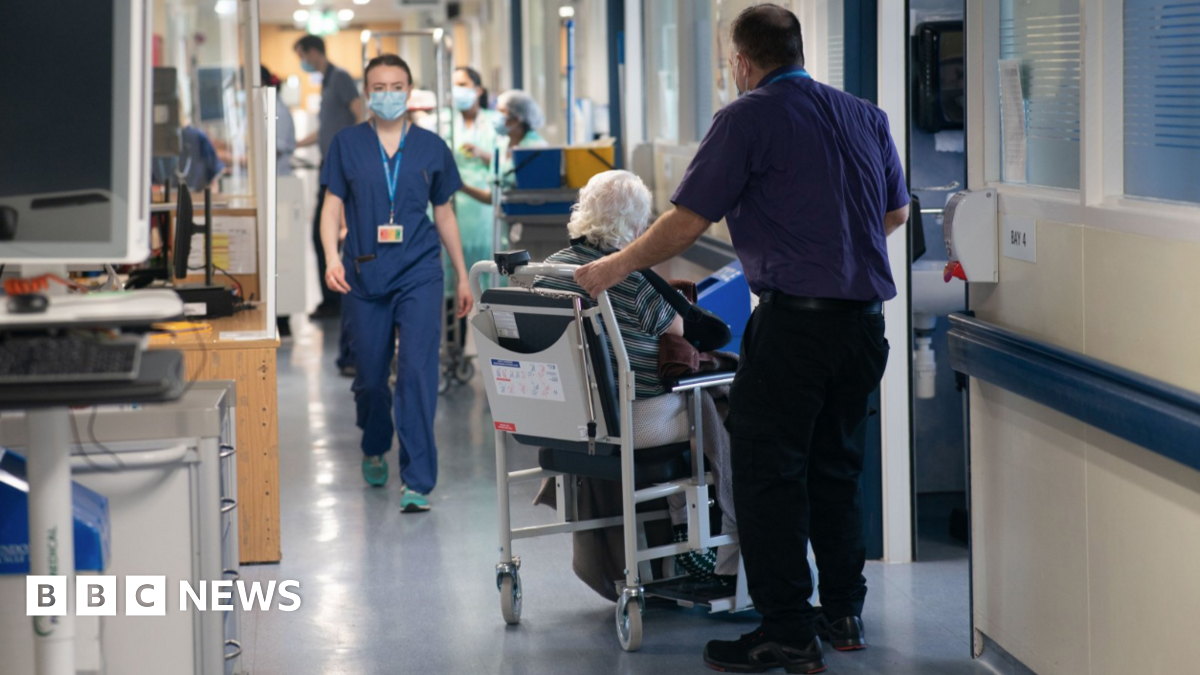
In England, the NHS is concurrently pursuing a major digital overhaul to manage systemic pressures, supported by a £10 billion investment over three years. This initiative aims to generate £41 billion in total benefits over the next decade and modernize data systems. The digital strategy focuses on two primary innovations:
- AI Triage: A tool integrated into the NHS App to direct patients to appropriate care, such as pharmacies, GPs, or self-care advice. Trials at a GP practice in Sussex demonstrated a 29% reduction in phone queues.
- Ambient Voice Technology: Tools that record and transcribe patient consultations. Pilots at St George’s Hospital showed savings of 47 minutes per shift for clinicians, allowing for increased patient capacity.
These investments are intended to address operational challenges, including elective care waiting lists which have reached 7.7 million. Authorities hope these digital tools will provide the "biggest bang for our buck" in improving patient outcomes and clinician efficiency.
What to Watch Next
- Sri Lanka: The effectiveness of the newly mandated drought mitigation measures and whether the government will provide the necessary support to integrate behind-the-meter batteries for solar prosumers ahead of the 2027 dry season.
- NHS: The national expansion of AI notetaking across hospital trusts and the implementation of the "Single Patient Record" to improve clinical continuity.
- Regional Relations: Whether the SAARC Cultural Centre can move beyond online programming under current funding constraints and political pressures, and if regional leadership can address the ongoing concerns surrounding the South Asian University.
How significant is this development?
Contribute your assessment to the aggregated reader sentiment ledger.
Frequently Asked Questions
Key questions answered in this reportWhat is the key development in: President Dissanayake orders El Niño mitigation measures for Sri Lanka?
President Anura Kumara Dissanayake has ordered urgent mitigation for the approaching super‑El Niño, citing risks to food, energy and water supplies. The government is also urging battery‑backed prosumers and reviewing SAARC cooperation.
Why is this NHS development significant for the UK?
This report covers critical events in our NHS beat. Independent reporting monitors related UK statements, regulatory shifts, and public responses as further verified details emerge.
How was this reporting corroborated and verified?
Newsarchy UK compiles and cross-references reporting from primary reporting from island.lk and cross-checked wire reports. All coverage adheres to published editorial standards.
When was this report published?
This briefing was published on July 7, 2026 and is permanently cataloged in the Newsarchy UK NHS archives.