Shabana Mahmood infuriates ministers by withholding migration impact data
Home Secretary Shabana Mahmood is facing a cabinet revolt after refusing to publish Home Office impact data regarding sweeping asylum reforms and rough sleeping risks.

- Core Development: Home Secretary Shabana Mahmood is facing a cabinet revolt after refusing to publish Home Office impact data regarding sweeping asylum reforms and rough sleeping risks.
- Beat Context: Categorized under NHS with independent corroboration.
- Reporting Depth: 3 minute analytical read synthesized from verified newsroom sources.
The Home Office is facing an intensifying internal revolt from ministerial colleagues over its refusal to publish critical impact assessments regarding sweeping asylum reforms. Cabinet friction has erupted as senior officials demand transparency on how the planned overhaul of the immigration system will affect housing provision, rough sleeping rates, and community cohesion.
According to The Guardian, Home Secretary Shabana Mahmood has repeatedly declined to share internal projections quantifying how upcoming shifts in the asylum framework will influence destitution levels. Government insiders report that the home secretary has point-blank refused to engage with multiple requests for data assessing the policy's downstream pressure on local authority housing and support services. While the Home Office maintains that the precise figures cannot be finalized because the finer mechanisms remain under development, frustrated colleagues argue that withholding the estimates is designed to obscure the true disruption of the proposals.
Media additions
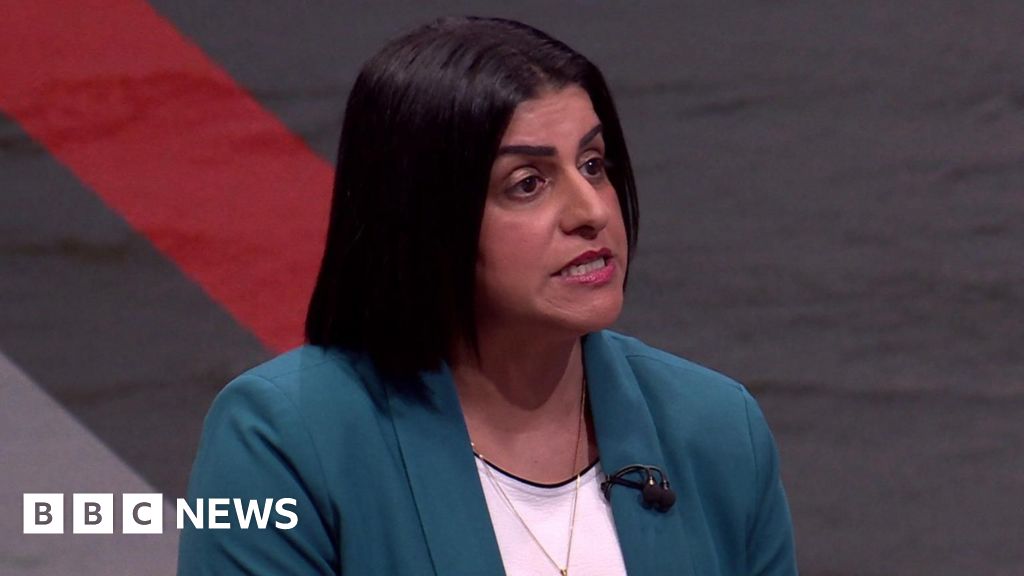


The standoff compounds existing tensions within the administration. Housing Secretary Angela Rayner, alongside other key cabinet members, has expressed grave anxiety that displacing asylum seekers from hotels into houses of multiple occupancy could galvanize anti-immigration demonstrations and imperil government targets to halve rough sleeping. Previous housing ministers and departed colleagues had similarly challenged Home Office representatives over the potential fallout.
The policy dispute centers on a hardline legislative package designed to deter small boat crossings and curb irregular entry. Under the framework, individuals granted refugee status who arrived via unauthorized routes will face a mandatory wait of 20 years before applying for permanent settlement, a significant departure from the standard five-year pathway. Refugee statuses will also undergo mandatory reviews every two and a half years.
| Asylum Policy Phase | Current Framework | Proposed Overhaul |
|---|---|---|
| Initial Protection Period | 5 years | 2.5 years (subject to regular review) |
| Indefinite Leave to Remain | Eligible after 5 years | Extended to 20 years for unauthorized arrivals |
| Financial Support | Standard provision | Discretionary removal for non-compliance |
Supporters of the package, including high-profile figures on the political right, have praised the decisive posture. Yet critics argue the measures mirror restrictive models implemented elsewhere in Europe. Enver Solomon, chief executive of the Refugee Council, warned that the extended timelines would trap vulnerable individuals in prolonged anxiety and limbo. Simultaneously, left-wing Labour MPs have cautioned that adopting restrictive frameworks alienates traditional supporters.
Debate also persists around workforce implications, particularly concerning the adult social care sector. Ministers are currently locked in discussions regarding whether care workers should be exempted from broader restrictions on settled status to prevent a sudden staffing crisis.
Further developments are expected over the coming days as senior ministers conclude cross-departmental negotiations. Discussions will determine whether compromises can be reached regarding sector-specific worker exemptions and local authority funding before the legislative details are formally presented to Parliament.
The wider policy architecture involves additional measures aimed at curtailing legal migration routes and penalizing foreign governments that fail to cooperate on deportations. Under plans outlined by the Home Office, the government will restrict dependents from joining overseas care workers and raise salary thresholds for sponsored workers. Officials have also targeted countries such as Angola, Namibia, and the Democratic Republic of Congo with potential visa bans due to what the department described as unacceptably low cooperation on returns.
Critics from across the political spectrum have voiced opposing objections to the sweeping changes. While some parliamentarians argue the measures do not go far enough to secure borders, others contend that the dismantling of permanent settlement rights and the introduction of discretionary financial support strip away basic protections for vulnerable individuals. The unfolding debate places immense pressure on the Home Office to demonstrate that its reforms can deliver order without generating insurmountable crises for local authorities and public services.
How significant is this development?
Contribute your assessment to the aggregated reader sentiment ledger.
Frequently Asked Questions
Key questions answered in this reportWhat is the key development in: Shabana Mahmood infuriates ministers by withholding migration impact data?
Home Secretary Shabana Mahmood is facing a cabinet revolt after refusing to publish Home Office impact data regarding sweeping asylum reforms and rough sleeping risks.
Why is this NHS development significant for the UK?
This report covers critical events in our NHS beat. Independent reporting monitors related UK statements, regulatory shifts, and public responses as further verified details emerge.
How was this reporting corroborated and verified?
Newsarchy UK compiles and cross-references reporting from primary reporting from BBC and cross-checked wire reports. All coverage adheres to published editorial standards.
When was this report published?
This briefing was published on November 2, 2026 and is permanently cataloged in the Newsarchy UK NHS archives.