Burnham rules out coalition with Greens after 'Zionism is racism' motion
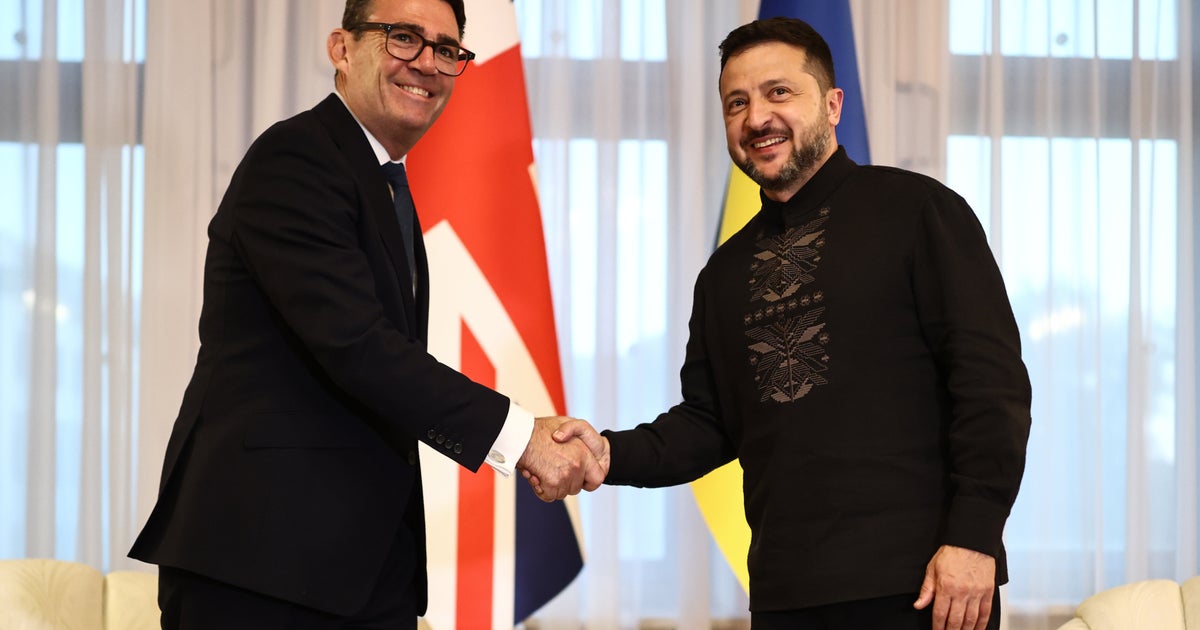
Prime Minister Andy Burnham has rejected any future national partnership with the Green Party following its controversial conference vote on Zionism.

- Core Development: Prime Minister Andy Burnham has rejected any future national partnership with the Green Party following its controversial conference vote on Zionism.
- Beat Context: Categorized under Politics with independent corroboration.
- Reporting Depth: 4 minute analytical read synthesized from verified newsroom sources.
Prime Minister Andy Burnham has ruled out any future national coalition or partnership with the Green Party unless it abandons a controversial policy that defines Zionism as a form of racism. Speaking in the House of Commons, the prime minister responded to pressure from Conservative MPs by unequivocally condemning the measure adopted by Green members at their party conference earlier in the month.
The policy motion in question was endorsed by Green Party members of England and Wales at their annual conference by 1,022 votes to 813. Supporters of the motion, including key backer Lubna Speitan, argued that it aimed to oppose "racist systems of oppression". However, the decision drew immediate outrage from community organisations and legal analysts. Leading barrister Adam Wagner KC warned that the policy carried a strong risk of contravening the Equality Act 2010 by directly discriminating against Zionist beliefs and indirectly discriminating against Jewish members. Chief Rabbi Sir Ephraim Mirvis condemned the text as a threat to British Jews and to Britain, while the Board of Deputies of British Jews described the party as extremist.
Media additions


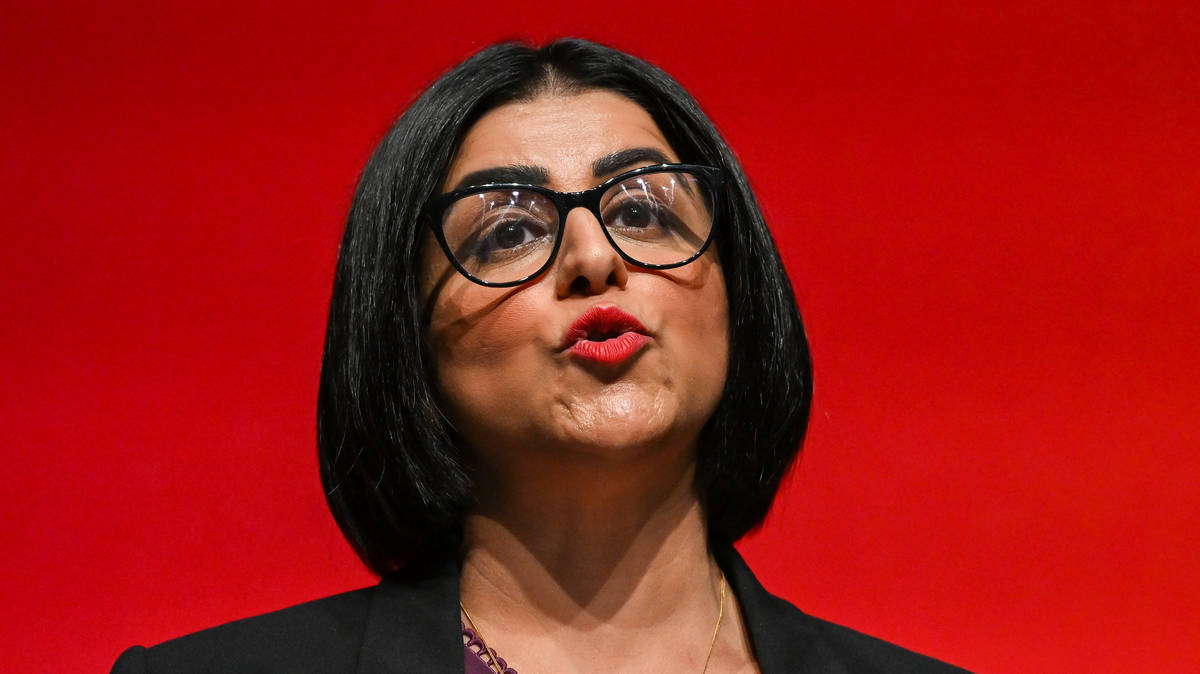
Internal dissent within the Green Party quickly surfaced following the vote. Four of the party's five MPs—including Ellie Chowns, Sian Berry, and former leaders Adrian Ramsay and Carla Denyer—alongside former leader Caroline Lucas, publicly rejected the motion. Ellie Chowns highlighted structural concerns within the party, noting to the BBC that significant and damaging policy was made by a vote representing just 0.4% of the party's total membership. Prominent Green figures also distanced themselves or resigned, with Amnesty International chair Sandy Ruthven leaving the party and Jewish Greens chair Vivien Lichtenstein weighing her future.
| Metric / Detail | Green Party Conference Vote | Wider Context & Reactions |
|---|---|---|
| Conference Vote Tally | 1,022 in favour to 813 against | Represented a fraction of the party's broader membership base. |
| Parliamentary Opposition | Four of five Green MPs opposed | Ex-leaders Caroline Lucas, Adrian Ramsay, and Carla Denyer also rejected the motion. |
| Key Legal Warnings | Equality Act 2010 violation risk | Highlighted by Adam Wagner KC regarding belief and racial discrimination. |
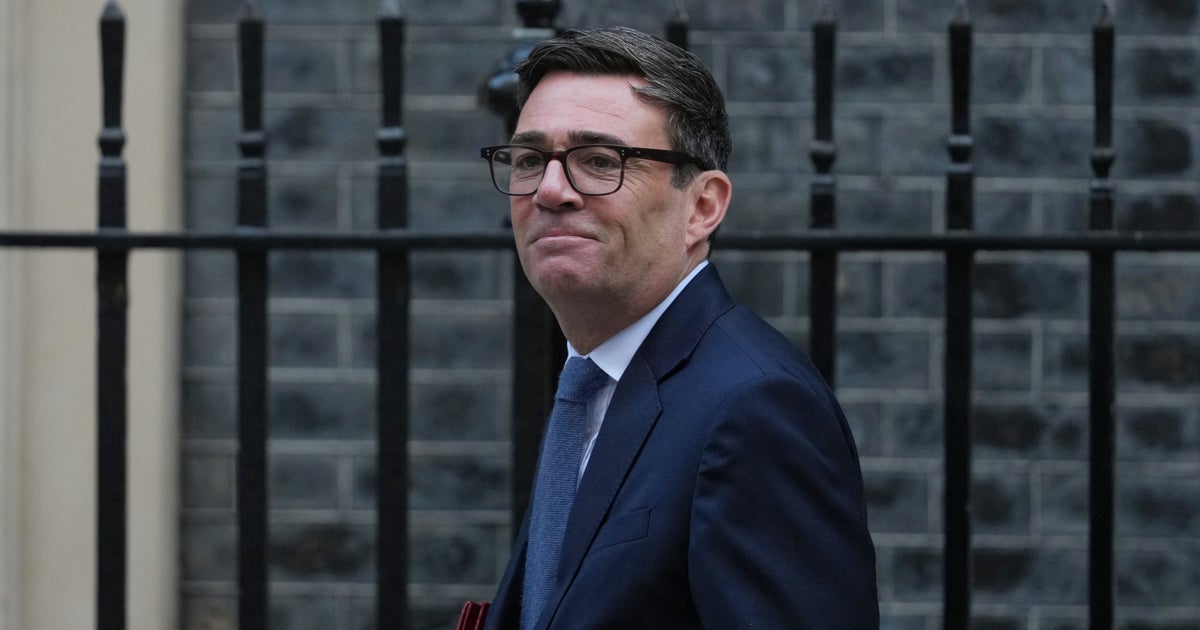
During Prime Minister's Questions, Conservative MP Dame Harriett Baldwin urged the prime minister to rule out cooperating with the Greens. Responding from the despatch box, Burnham condemned the motion unequivocally, stating that it was wrong and antisemitic. We cannot support a partnership with a party that holds the position that has recently been adopted,
the prime minister said, marking a hardening of his administration's stance compared to earlier remarks made during a visit to Berlin, when he urged the leadership to reverse the policy without explicitly shutting the door on future cooperation.
The prime minister's intervention was welcomed by figures across the political spectrum. Ben Judah, a former Foreign Office adviser, praised the move in comments reported by Yahoo News Malaysia, while Progress executive director Adam Langleben described the motion as the most antisemitic motion passed by any major political party in Europe, ever. Labour chair Bridget Phillipson echoed these sentiments, noting that the episode underscored the importance of tackling prejudice.
The controversy reached its peak during a high-stakes electoral contest in central London. Green Party leader Zack Polanski campaigned heavily to win the parliamentary seat vacated by Sir Keir Starmer. Polanski did not vote on the motion because he was campaigning in the constituency, where he faced intense scrutiny. While Polanski defended the humanitarian focus on Palestinian rights and claimed the motion was imperfect, he faced criticism for failing to show decisive leadership. Labour ultimately held the seat, defeating the Green challenge.
The fallout has also impacted local government partnerships. While Labour and the Greens govern together in some local authorities such as Sheffield, Downing Street spokespersons declined to clarify whether the prime minister's national veto would extend to local administration levels. Meanwhile, the Liberal Democrats faced their own internal tensions over existing local arrangements with the Greens in Southwark, south London, where senior figures including peer Sarah Ludford urged local leaders to sever ties.
As political fallout settles, attention turns to how the Green Party will handle internal rule changes and whether leadership will attempt to alter the controversial policy before upcoming electoral cycles.
How significant is this development?
Contribute your assessment to the aggregated reader sentiment ledger.
Frequently Asked Questions
Key questions answered in this reportWhat is the key development in: Burnham rules out coalition with Greens after 'Zionism is racism' motion?
Prime Minister Andy Burnham has rejected any future national partnership with the Green Party following its controversial conference vote on Zionism.
Why is this Politics development significant for the UK?
This report covers critical events in our Politics beat. Independent reporting monitors related UK statements, regulatory shifts, and public responses as further verified details emerge.
How was this reporting corroborated and verified?
Newsarchy UK compiles and cross-references reporting from primary reporting from The Independent and cross-checked wire reports. All coverage adheres to published editorial standards.
When was this report published?
This briefing was published on October 14, 2026 and is permanently cataloged in the Newsarchy UK Politics archives.