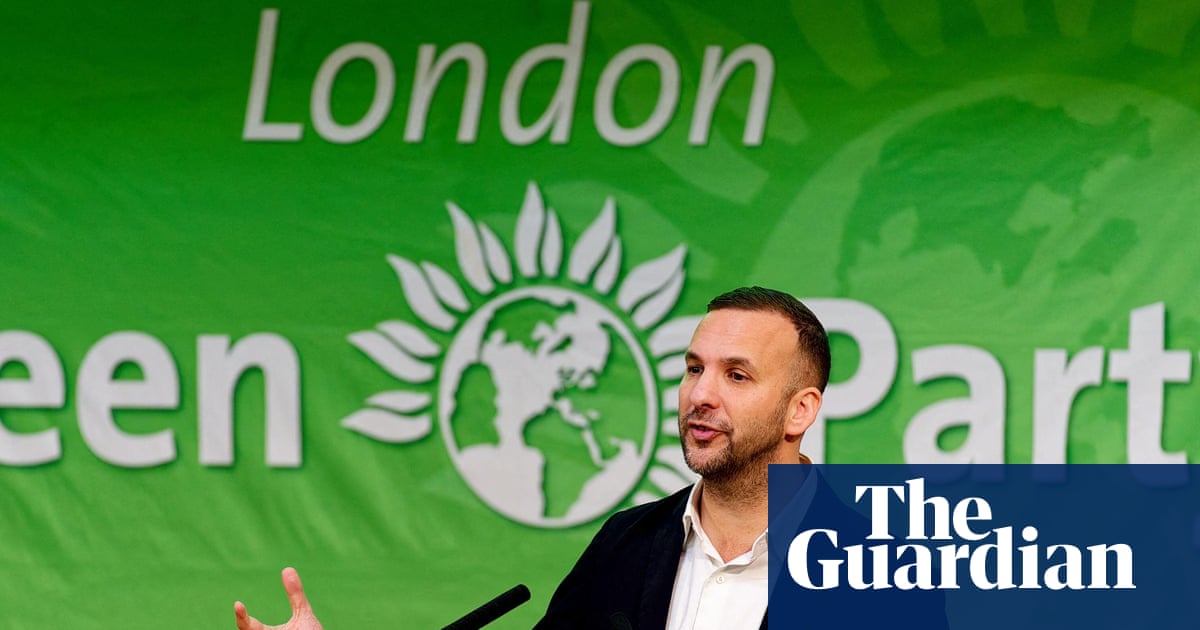
What Burnham as PM could mean for your taxes, welfare and immigration
Andy Burnham is seeking a return to Westminster through the Makerfield by-election, paving the way for a potential Labour leadership bid.

- Core Development: Andy Burnham is seeking a return to Westminster through the Makerfield by-election, paving the way for a potential Labour leadership bid.
- Beat Context: Categorized under Politics with independent corroboration.
- Reporting Depth: 3 minute analytical read synthesized from verified newsroom sources.
Andy Burnham is once again seeking a return to Westminster, targeting a leadership bid that could fundamentally reshape British politics according to The i Paper. The Mayor of Greater Manchester announced he will ask Labour’s National Executive Committee for permission to stand in the Makerfield by-election, triggered by the resignation of Josh Simons. Simons stepped aside specifically to pave the way for Burnham's parliamentary ambitions. Securing a Westminster seat is a mandatory prerequisite for any future leadership contest, though past attempts by Burnham to re-enter the Commons have faced resistance from party officialdom.
Should Burnham successfully navigate internal party hurdles and claim the keys to Number 10, his extensive record in local government, previous cabinet experience, and well-documented clashes with Downing Street offer a clear roadmap of his prospective premiership. Detailed profiles from political analysts indicate significant divergences from the trajectory set by current ministers across taxation, health, welfare, immigration, and foreign policy.
Media additions
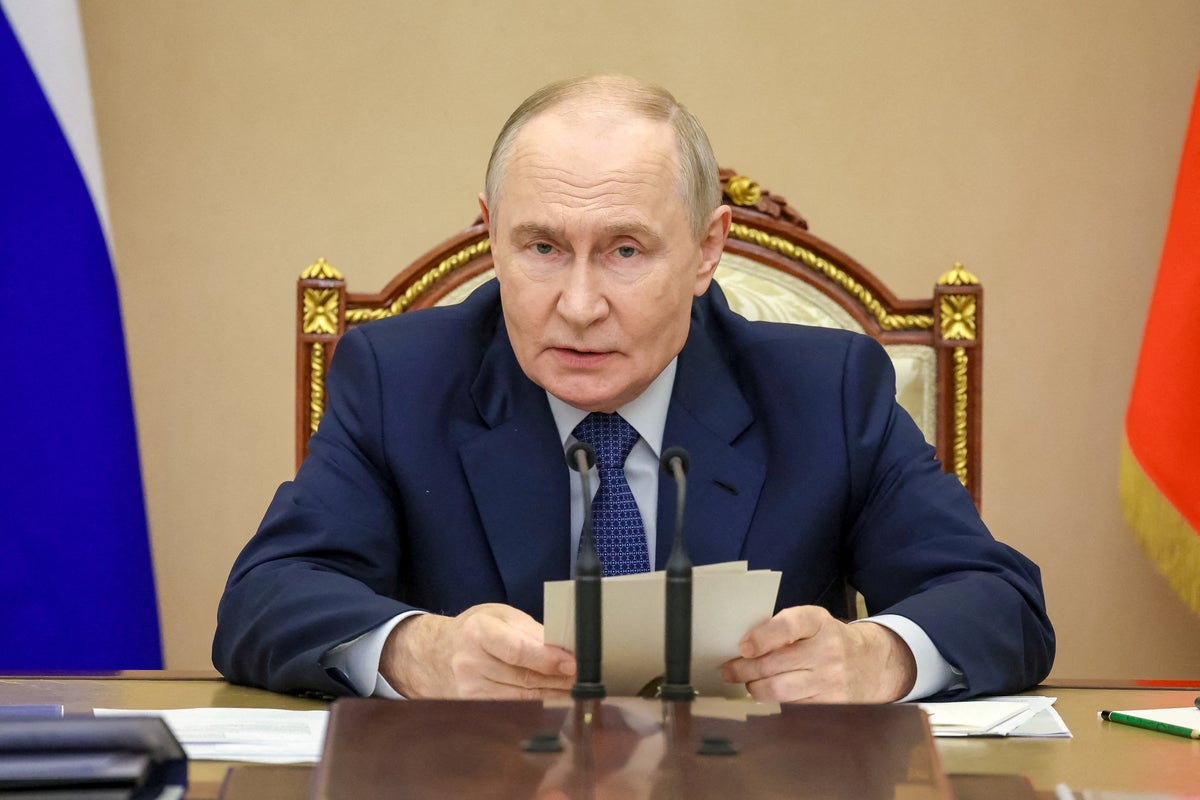
On economic policy, Burnham has consistently argued that the UK overtaxes labour while undertaxing capital and wealth. His specific remedies include revaluing council tax bands—which have remained unchanged since 1991—reforming land value taxation, and replacing inheritance tax with a dedicated care levy. However, his past commentary regarding financial markets and borrowing rules has drawn sharp pushback from leadership figures who have warned against repeating past economic instability.
| Policy Area | Current Administration Approach | Reported Burnham Position |
|---|---|---|
| Health | Willingness to utilise private sector capacity to reduce waiting lists. | Integration of NHS and social care into a single public National Care Service, restricting private contracts. |
| Welfare | Targeting personal independence payments, carer’s allowance, and universal credit. | Opposing harsh cuts while pursuing fundamental reform at a more measured pace. |
| Immigration | Hardline reforms including extended wait times for permanent residency. | Criticism of policies leaving individuals in limbo, prioritising pathways to settlement. |
Health policy remains the domain where Burnham holds his most defined legacy, having served as health secretary under Gordon Brown. His overarching vision involves creating a unified public National Care Service free at the point of use, effectively dismantling the internal market model of contracting out services to private providers. This philosophy directly challenges the reform strategies currently championed by health ministers.
Welfare cuts pursued by the current government have likewise drawn heavy criticism from the Greater Manchester mayor. Following previous fiscal statements, he warned that slashing support for disabled people and carers creates severe detrimental effects, though he acknowledged that structural reform of the system is necessary. His approach suggests a much softer touch on social safety nets than current Treasury plans.
On immigration, Burnham has voiced deep concerns regarding proposals that would vastly extend the timeframe required for asylum seekers to gain permanent residency. He argues that forcing vulnerable people into prolonged status reviews prevents proper integration. Meanwhile, broader administrative decisions continue to attract intense scrutiny from across the political spectrum. Conservative former defence secretary Sir Grant Shapps recently criticised government plans to scale back the Homes for Ukraine scheme reported Newswav, warning that reducing monthly host payments and local authority support might inadvertently signal faltering Western resolve to Moscow.
Foreign policy and international relations would also experience a jolt under a Burnham administration. Having broken ranks early with party leadership over the conflict in Gaza and publicly voiced aspirations for the UK to rejoin the European Union in his lifetime, his premiership would likely forge a much more assertive path on European integration and Middle Eastern diplomacy than the current government's cautious reset.
Readers following these developments can track further updates through our dedicated Politics coverage. What happens next depends heavily on whether Labour’s National Executive Committee grants Burnham permission to contest the Makerfield seat, setting the stage for an explosive parliamentary showdown.
How significant is this development?
Contribute your assessment to the aggregated reader sentiment ledger.
Frequently Asked Questions
Key questions answered in this reportWhat is the key development in: What Burnham as PM could mean for your taxes, welfare and immigration?
Andy Burnham is seeking a return to Westminster through the Makerfield by-election, paving the way for a potential Labour leadership bid.
Why is this Politics development significant for the UK?
This report covers critical events in our Politics beat. Independent reporting monitors related UK statements, regulatory shifts, and public responses as further verified details emerge.
How was this reporting corroborated and verified?
Newsarchy UK compiles and cross-references reporting from primary reporting from Newswav and cross-checked wire reports. All coverage adheres to published editorial standards.
When was this report published?
This briefing was published on September 26, 2026 and is permanently cataloged in the Newsarchy UK Politics archives.