Andy Burnham cuts domestic electricity VAT to zero for households with driveways
Prime Minister Andy Burnham has cut domestic electricity VAT to zero, lowering home charging costs for driveway owners and intensifying debates over transport equity.
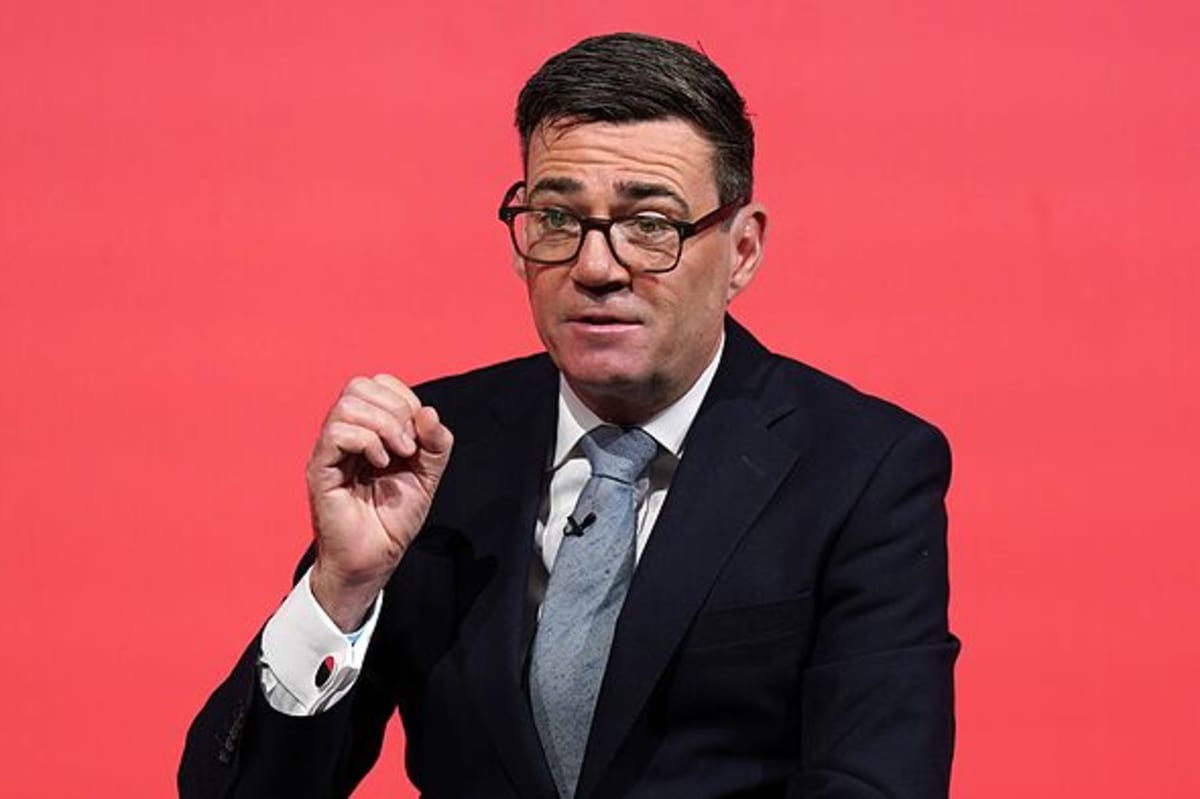
- Core Development: Prime Minister Andy Burnham has cut domestic electricity VAT to zero, lowering home charging costs for driveway owners and intensifying debates over transport equity.
- Beat Context: Categorized under Politics with independent corroboration.
- Reporting Depth: 4 minute analytical read synthesized from verified newsroom sources.
Prime Minister Andy Burnham has slashed domestic electricity VAT to zero, bringing a significant financial shift for households with driveways that has immediately intensified debates over transport equity. Coming into effect on Thursday, 1 October 2026, the tax cut lowers domestic electricity charges from 5% to 0%, reducing annual home charging costs and sharpening focus on the structural divide between property owners and motorists reliant on public infrastructure.
The policy change is designed to assist families battling rising bills amidst ongoing cost-of-living pressures, but its intersection with electric vehicle adoption has generated sharply contrasting reactions across the motoring sector. According to Aol, LeaseElectric calculations indicate that a driver using a Volkswagen ID.3 on an EDF Energy Go Electric with Pod Point tariff will see per-mile running costs drop from 1.97p to 1.89p. Over 10,000 miles, expenditure falls from £198 to around £189, whereas motorists on a Good Energy EV Tariff could pay as little as 1.47p per mile down from 1.54p. Andersen EV chief executive David Martell estimated that average home charging savings will reach £20 to £25 annually, stretching to £35 or £40 for high-mileage motorists, according to Birmingham Live.
Media additions
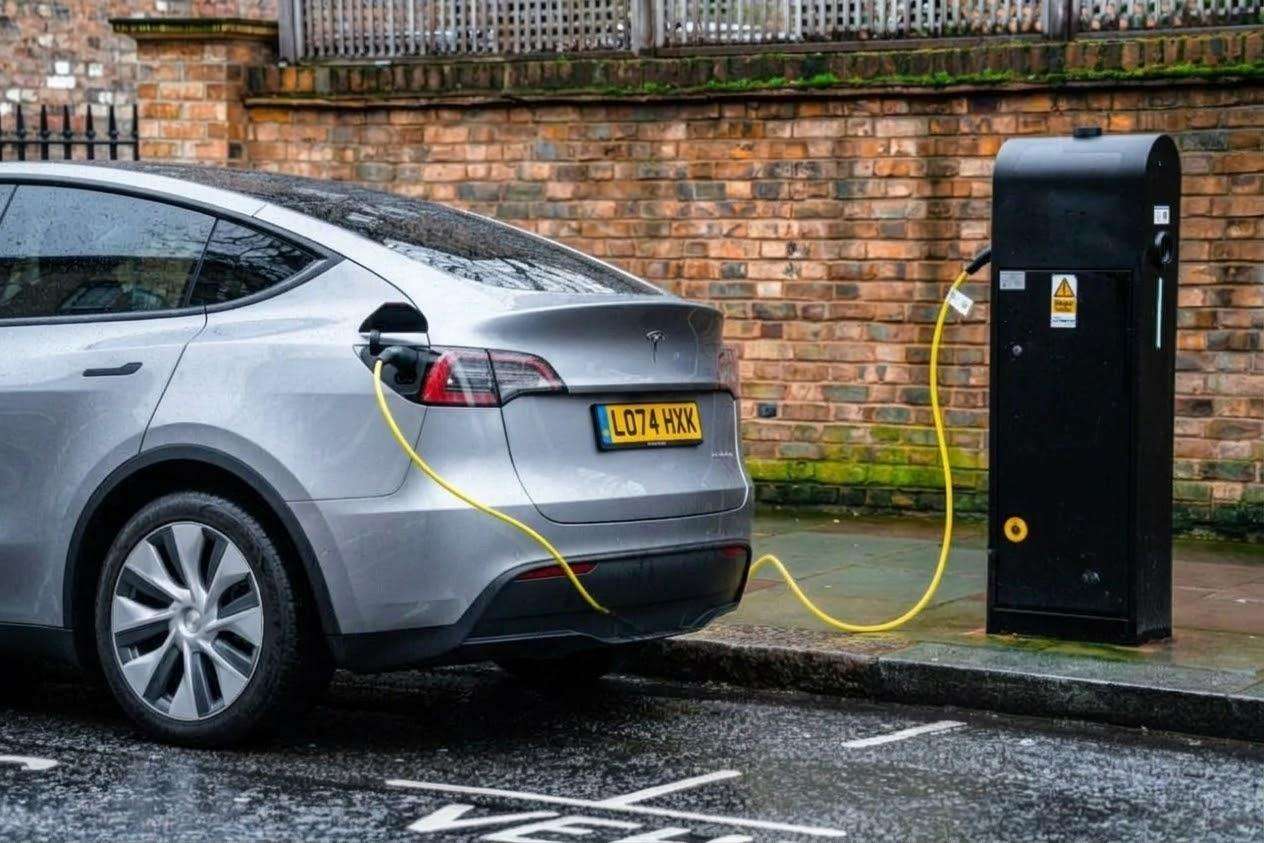


However, the relief does not extend to public chargepoints, which continue to attract the standard 20% VAT rate. Trade body ChargeUK, in a letter backed by Chronicle Live, warned that an EV driver relying entirely on public facilities faces more than £1,000 in additional annual costs compared to someone charging at home, with VAT alone accounting for roughly £200 of that disparity. ChargeUK chief executive Shane Brennan noted that while cutting home energy VAT is a welcome move for a tough winter, it risks entrenching a severe "driveway divide" for the estimated 10 million households unable to charge off-street. EVA England chief executive Vicky Edmonds and Believ CEO Guy Bartlett similarly called for structural reform to public charging taxes, arguing that a postcode lottery prices out drivers without private parking.
Parallel regulatory shifts are compounding urban access challenges. Secondary planning legislation updated on 25 September 2026 and slated for full enforcement on 21 October 2026 will ban trailing loose cables across public footpaths due to tripping hazards flagged by disability and motorist groups. While the rules introduce permitted development rights for pavement-embedded cable gullies and exterior wall chargers in standard neighborhoods, properties within England's roughly 10,000 conservation areas are explicitly excluded. As Daily Dazzling Dawn reports, approximately 3.5 million urban drivers residing in historic boroughs and listed terraces must now secure bespoke planning consent and pay administrative fees, leaving them reliant on public commercial hubs where tariffs can run up to four times higher than domestic overnight rates.
| Charging Setting / Metric | Previous Rate / Cost | New Rate / Cost under Burnham Reforms |
|---|---|---|
| Domestic Electricity VAT | 5% | 0% (effective 1 October 2026) |
| Public Charging VAT | 20% | 20% (unchanged) |
| Home EV Grant per Socket | £350 | Up to £500 (from 1 April 2026) |
| VW ID.3 Running Cost (EDF Tariff) | 1.97p per mile | 1.89p per mile |
| VW ID.3 Running Cost (Good Energy) | 1.54p per mile | 1.47p per mile |
The government has defended its planning stance, insisting that heritage safeguards in sensitive zones must be balanced against expanding infrastructure, while noting that local authorities retain powers to issue neighborhood development orders. These adjustments arrive alongside financial backing for private installations; grant assistance for home and workplace charge points increased from £350 to up to £500 per socket on 1 April 2026, running through March 2027 under the administration, as detailed by Yorkshire Live. National Residential Landlords Association chief executive Ben Beadle welcomed the grant boost, noting high tenant demand for charge points where property layouts allow.
Broader policy updates from the administration include confirmation of employment law reforms announced by work minister Kate Dearden, granting up to two weeks of unpaid bereavement leave from next April for parents experiencing early pregnancy loss before 24 weeks (Manchester Evening News). Meanwhile, automotive analysts continue to press the administration regarding the second-hand electric vehicle market, where used sales rose sharply in the second quarter and market share hit 5.5%. Industry experts have urged the government to implement mandatory, standardised battery health certificates to boost buyer confidence, pointing out that only 3% of polled drivers feel confident buying a used EV without verified condition data.
What to Watch Next
- 21 October 2026: Enforcement date for new secondary planning rules prohibiting trailing charging cables and restricting permitted development in conservation areas.
- March 2027: Expiry date for the enhanced £500 EV charge point installation grant scheme.
- Next April: Implementation of the Employment Rights Act amendments providing unpaid bereavement leave for early pregnancy loss.
- Ongoing Treasury and HMRC reviews regarding public charging VAT appeals and potential structural reform to chargepoint operator levies.
For ongoing updates across domestic policy, consult our dedicated Politics coverage.
How significant is this development?
Contribute your assessment to the aggregated reader sentiment ledger.
Frequently Asked Questions
Key questions answered in this reportWhat is the key development in: Andy Burnham cuts domestic electricity VAT to zero for households with driveways?
Prime Minister Andy Burnham has cut domestic electricity VAT to zero, lowering home charging costs for driveway owners and intensifying debates over transport equity.
Why is this Politics development significant for the UK?
This report covers critical events in our Politics beat. Independent reporting monitors related UK statements, regulatory shifts, and public responses as further verified details emerge.
How was this reporting corroborated and verified?
Newsarchy UK compiles and cross-references reporting from primary reporting from aol.co.uk and cross-checked wire reports. All coverage adheres to published editorial standards.
When was this report published?
This briefing was published on October 10, 2026 and is permanently cataloged in the Newsarchy UK Politics archives.