Bank of England holds interest rates at 3.75 percent amid Iran war risks
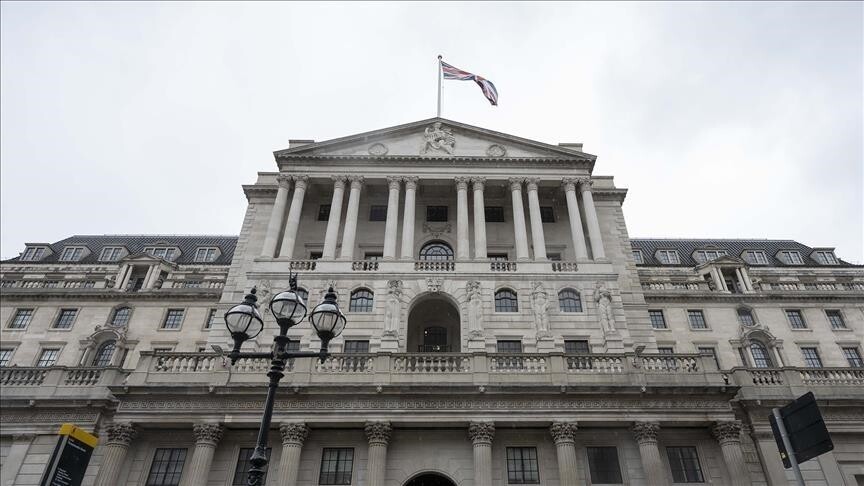
The Bank of England has kept its benchmark interest rate frozen at 3.75 per cent, marking the fifth consecutive meeting borrowing costs remained unchanged.
- Core Development: The Bank of England has kept its benchmark interest rate frozen at 3.75 per cent, marking the fifth consecutive meeting borrowing costs remained unchanged.
- Beat Context: Categorized under Politics with independent corroboration.
- Reporting Depth: 3 minute analytical read synthesized from verified newsroom sources.
The Bank of England has kept its benchmark interest rate frozen at 3.75 per cent, marking the fifth consecutive meeting that borrowing costs have remained unchanged according to Yahoo Finance reporting. The decision arrived on Thursday, 30 July 2026, alongside stark warnings from central bankers that an escalating US-Iran conflict in the Middle East poses an immediate threat to the UK inflation outlook, driven by volatile energy markets and potential oil supply disruptions.
While the decision to hold was widely anticipated by economists, the internal vote revealed growing division within the nine-member Monetary Policy Committee. Three policymakers dissented in favour of an immediate quarter-point increase to 4 per cent reported the Straits Times, mirroring similar hawkish splits observed globally, including at the US Federal Reserve where three officials recently pushed for a hike.
Media additions
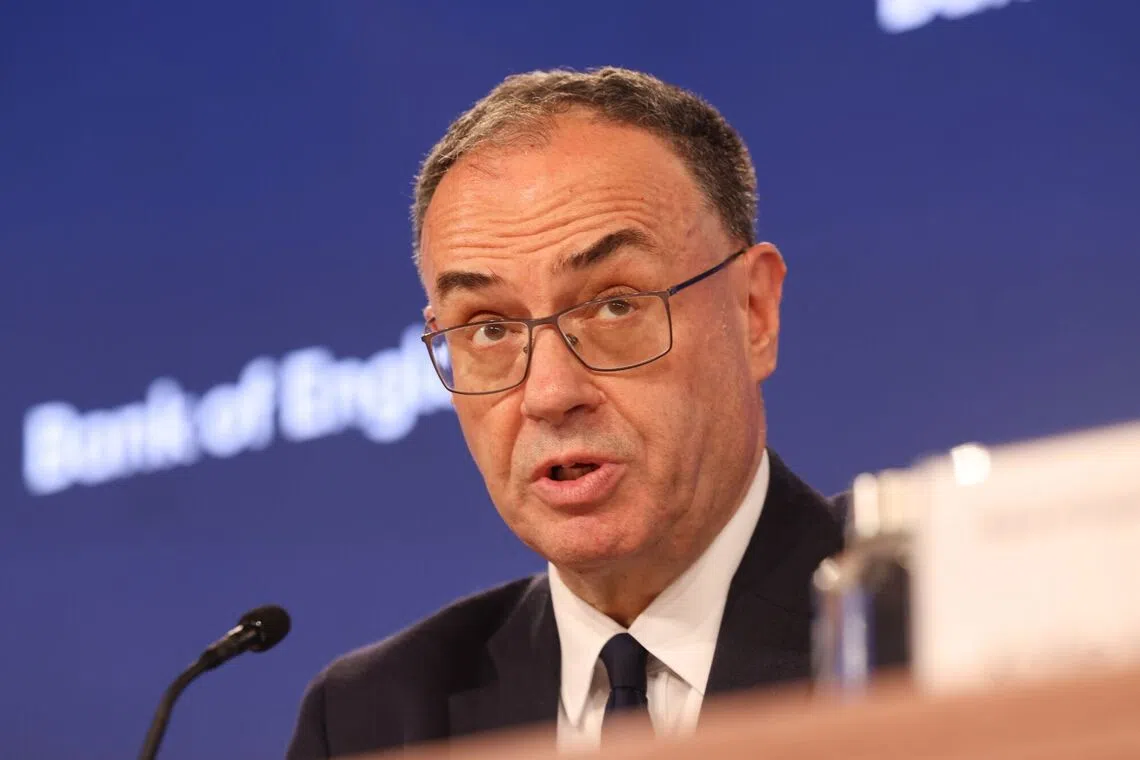
Recent economic data had provided a brief window of relief. According to official figures cited by Yahoo Singapore, Britain's annual consumer price inflation slowed to 2.6 per cent in June 2026 from 2.8 per cent in May 2026, easing faster than expected from May's reading due to falling fuel prices during a temporary regional ceasefire. Yet that downward trend is now projected to reverse. Bank of England Governor Andrew Bailey cautioned that renewed fighting has triggered high and volatile energy prices that will inevitably push inflation back up later this year.
"Inflation has fallen faster than we’d expected, but the conflict in the Middle East continues to mean high and volatile energy prices."
Andrew Bailey, Governor of the Bank of England, via Straitstimes
Under its central forecast, the central bank expects inflation to peak at 3.2 per cent towards the end of the year before gradually easing noted Yahoo Canada. In a more pessimistic scenario where Middle East hostilities intensify further, officials warned that inflation could surge as high as 4.5 per cent in 2027. Beyond energy shocks, the Bank also flagged that an artificial intelligence-driven memory chip shortage and rising food prices—aggravated by hot, dry weather conditions—will add persistent upward pressure to consumer costs according to Yahoo Australia.
The policy announcement also marks the first monetary review since Prime Minister Andy Burnham took office per Yahoo Australia. Burnham has pledged aggressive action to ease cost-of-living pressures, including a temporary removal of VAT on domestic electricity bills. The central bank noted that this fiscal intervention is expected to knock 0.1 percentage points off inflation during the second half of the year, though households will still face a marginal increase in their annual energy bills from October due to price cap adjustments according to Yahoo Australia.
Economists tracking the Anadolu Agency coverage point out that despite these cost pressures, there remains little evidence so far of higher energy costs triggering a broader wage-price spiral.
Key forecasts and pressures facing the UK economy
- Current Benchmark Rate: Held at 3.75 per cent by a 6-3 MPC vote per Straitstimes.
- Inflation Trajectory: Eased to 2.6 per cent in June via Yahoo Singapore, but projected to peak at 3.2 per cent later this year per Straitstimes.
- Growth Projections: Gross Domestic Product output expected to reach 1.1 per cent for both 2026 and 2027 per Straitstimes.
- External Shocks: Middle East conflict driving Brent crude volatility alongside AI memory chip shortages and El Nino-linked food price hikes per Yahoo Australia.
The Monetary Policy Committee is scheduled to hold its next interest-rate vote on September 17, 2026, where markets will determine if the split committee moves closer to a hike reported Anadolu Agency.
How significant is this development?
Contribute your assessment to the aggregated reader sentiment ledger.
Frequently Asked Questions
Key questions answered in this reportWhat is the key development in: Bank of England holds interest rates at 3.75 percent amid Iran war risks?
The Bank of England has kept its benchmark interest rate frozen at 3.75 per cent, marking the fifth consecutive meeting borrowing costs remained unchanged.
Why is this Politics development significant for the UK?
This report covers critical events in our Politics beat. Independent reporting monitors related UK statements, regulatory shifts, and public responses as further verified details emerge.
How was this reporting corroborated and verified?
Newsarchy UK compiles and cross-references reporting from primary reporting from straitstimes.com and cross-checked wire reports. All coverage adheres to published editorial standards.
When was this report published?
This briefing was published on July 30, 2026 and is permanently cataloged in the Newsarchy UK Politics archives.