Burnham weighs estate levy and payroll tax to fund social care reforms
Prime Minister Andy Burnham is considering a flat estate levy and a mandatory payroll contribution to fund an NHS-style social care system costing £18.7 billion annually.
Burnham weighs estate levy and payroll tax to fund social care reforms
EXECUTIVE BRIEFKey Takeaways & Signal
Core Development: Prime Minister Andy Burnham is considering a flat estate levy and a mandatory payroll contribution to fund an NHS-style social care system costing £18.7 billion annually.
Beat Context: Categorized under Politics with independent corroboration.
On 29 July 2026 the prime minister used a north‑London care centre to flag two new fiscal routes – a flat estate levy and a mandatory payroll contribution – that could underwrite his ambition for a free‑at‑the‑point‑of‑use social‑care system. The move matters because the “NHS‑style” model the government says it wants could cost the country £18.7 billion a year by 2035, a sum that nowhere in the current budget can be found.
“I think firstly you have to do more with what you’ve got, but… some of what we would want to do in the fuller sense will require difficult decisions.”
Media additions
Image via socialeurope.eu
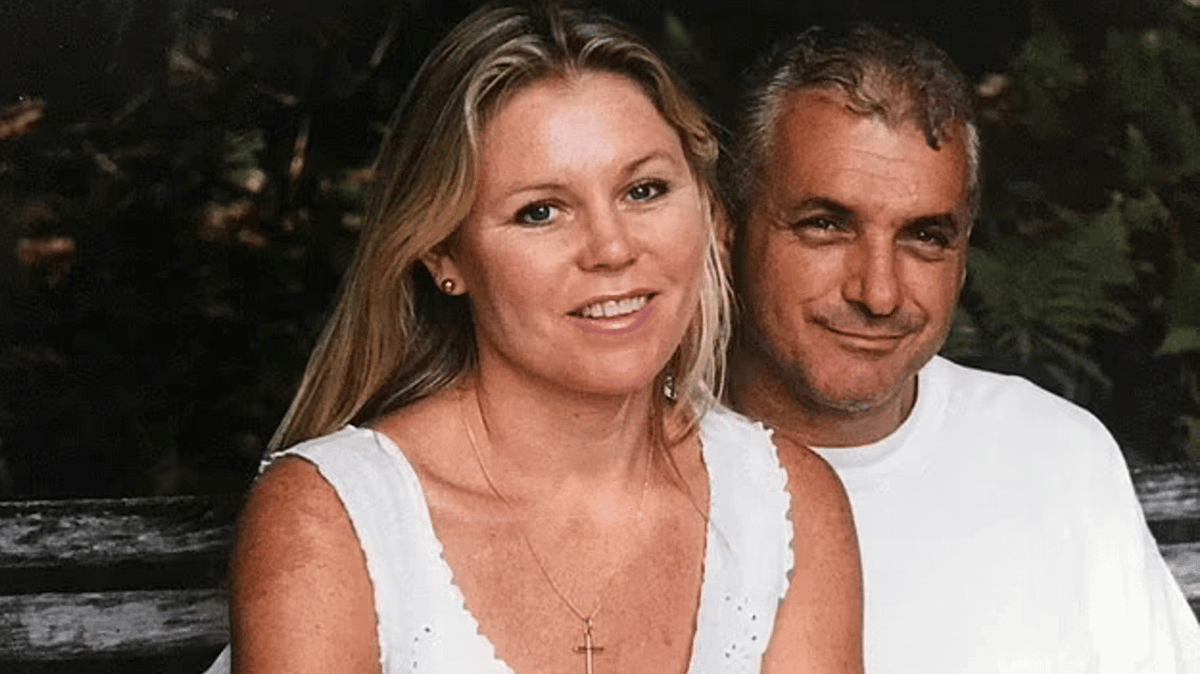
Andy Burnham, Prime Minister, via iNews
Burnham said the goal is to run social care “on the NHS principle” – free at the point of use, allocated by need rather than income. Yet he warned that achieving it may force “difficult decisions” later in Parliament.
Why the pressure now?
Age UK estimates roughly two million over‑65s are missing essential care, a shortfall Burnham labelled “a major dereliction of public duty”. At the same time, the NHS faces its own funding gap, with the National Institute of Economic and Social Research warning of a £24 billion shortfall in government spending by 2029‑30. Those figures set the stage for a showdown over how – and from where – the cash will be raised.
Four funding routes on the table
Estate levy (a “death tax”) – a flat 10 per cent charge on every estate, replacing the current inheritance‑tax threshold of £325,000. The Times reports it as Burnham’s favourite, though Downing Street says there are “no plans” to change inheritance tax.
Payroll levy – a compulsory 1.8 per cent deduction on earnings above £6,240, paid by workers over 34 into an individual fund. A Re:State paper estimates an employee earning £50,000 would pay an extra £788 a year, rising to £1,327 at £80,000.
Re‑allocation of existing budgets – Burnham argues “more is possible from within existing resources”, but Treasury analysis shows the Chancellor faces just £3.7 billion of headroom against his fiscal rules.
Scaled‑down models – emulating Scotland’s free personal‑care system (costing about £6 billion in 2026‑27) or raising the £23,250 asset threshold that blocks state help, both of which avoid new taxes but fall short of a full NHS‑style service.
Each option carries a political‑risk score ranging from 2 / 5 (scaled‑down models) to 5 / 5 (the estate levy). The King’s Fund chief executive Sarah Woolnough warned that jumping straight to a funding‑model debate could trap “the ‘death tax’ doom loop”, while Reform UK vowed to “fight a death tax every step of the way”.
Expert and opposition perspectives
The National Institute of Economic and Social Research’s director David Aikman insisted that any new commitment “must be funded through taxation or savings elsewhere, not through more borrowing”. His deputy Stephen Millard suggested trimming the triple lock on pensions, cutting welfare, or updating council‑tax valuations – none of which sit comfortably with Labour’s manifesto pledge not to raise taxes on working people.
Meanwhile, the opposition has already signalled resistance. The Conservatives continue to brand a flat estate levy as a “death tax”. Reform UK, a right‑wing party, has pledged to block it outright. Within Labour, backbenchers have expressed unease about a payroll levy, fearing it would clash with the party’s pledge not to raise taxes on wages.
Broader left‑wing context
Across the Atlantic and in Europe, progressive parties are wrestling with similar funding dilemmas amid what Social Europe describes as the “culture war” and a shift toward “hyperpolitics”. The article argues that left‑wing parties must blend economic policy with cultural resonance to counter right‑wing narratives. Burnham’s framing – promising to “take back power from Westminster and Whitehall and give it back to the place where you live” – mirrors that strategy, positioning a socially‑oriented reform as a fight for regional equity against a perceived centralised elite.
For Burnham, the estate and payroll levies are not merely fiscal tools; they are political symbols meant to demonstrate a break from “technocratic” austerity and to appeal to voters who feel left behind by the status‑quo. The Social Europe piece warns that without such cultural framing, progressive parties risk “the ‘death tax’ doom loop” of being reduced to cost‑only debates, echoing Woolnough’s concerns.
What to watch next
Early 2027 – Publication of Baroness Casey’s independent commission on adult social care (originally due a year later).
Autumn 2026 – Chancellor John Healey’s Budget, where the £3.7 billion headroom will be tested against competing priorities in health, defence and education.
Late 2026 – Potential cross‑party social‑care summit hosted by Burnham (internal link).
Mid‑2027 – First parliamentary vote on any new levy, should the commission endorse a financing route.
With the fiscal gap widening and public demand for care increasing, the choice between an estate levy, a payroll contribution, or a patchwork of smaller reforms will shape Britain’s social‑care future and, arguably, the broader left narrative of “taking back power”. The coming months will test whether Burnham can convert policy ambition into a politically palatable funding package before the next budget and the Casey report force a decisive vote.
READER INTELLIGENCE PULSE
How significant is this development?
Contribute your assessment to the aggregated reader sentiment ledger.
Click an option to register your anonymous assessment.
Frequently Asked Questions
Key questions answered in this report
What is the key development in: Burnham weighs estate levy and payroll tax to fund social care reforms?
Prime Minister Andy Burnham is considering a flat estate levy and a mandatory payroll contribution to fund an NHS-style social care system costing £18.7 billion annually.
Why is this Politics development significant for the UK?
This report covers critical events in our Politics beat. Independent reporting monitors related UK statements, regulatory shifts, and public responses as further verified details emerge.
How was this reporting corroborated and verified?
Newsarchy UK compiles and cross-references reporting from primary reporting from socialeurope.eu and cross-checked wire reports. All coverage adheres to published editorial standards.
When was this report published?
This briefing was published on July 30, 2026 and is permanently cataloged in the Newsarchy UK Politics archives.