European Leaders Call for Tougher Border Controls as Ceuta Migration Crisis Deepens
European leaders are calling for emergency border security and regulatory overhauls after nearly sixty thousand migrants entered Spain's North African enclave of Ceuta from Morocco.

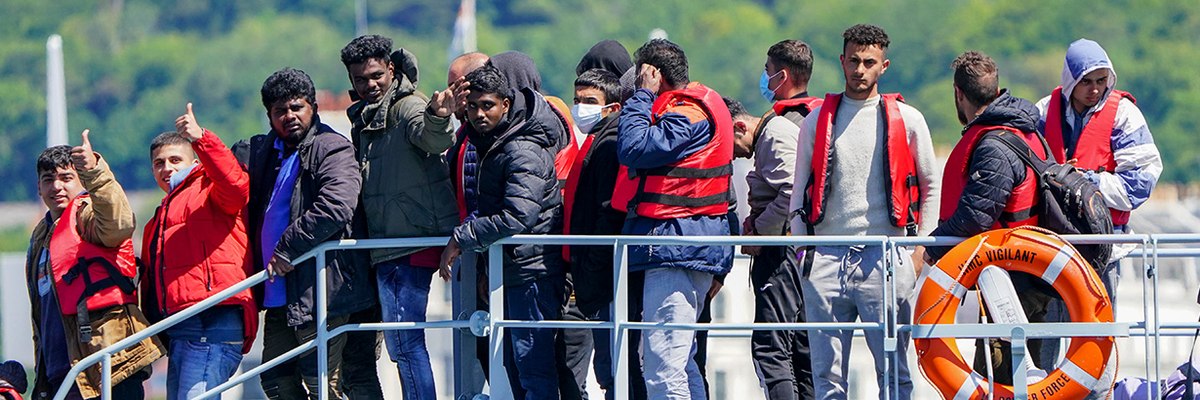
European governments are pressing for heightened border security and urgent regulatory overhauls following a surge of migration into Spain’s North African enclave of Ceuta according to Kurdistan24. The rapid arrival of nearly sixty thousand people entering Morocco’s border with Spain has overwhelmed local infrastructure, amounting to more than half of the enclave's total population and igniting continent-wide debate over the future of the Schengen free movement zone.
The sudden influx placed unprecedented strain on border security, with many individuals swimming around maritime physical barriers according to Ceuta autonomous city president Juan Jesús Vivas. At least thirty-four individuals died during the maritime crossing. In response, Spain’s Interior Ministry reported that more than twenty-five thousand people voluntarily returned to Morocco, with temporary transfer operations occurring at a rapid pace.
Media additions


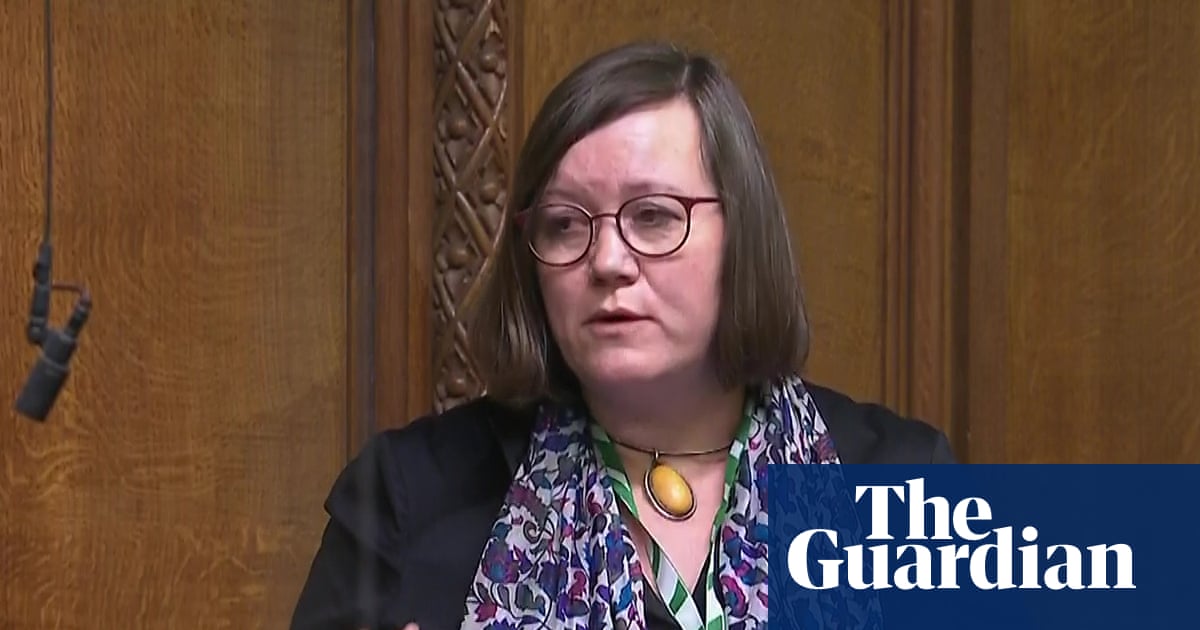
"The government is deploying all available state resources to guarantee security, reinforce the maritime physical barrier, accelerate deportation procedures and coordinate with Morocco against human trafficking networks"
Pedro Sánchez, Spanish Prime Minister, via Kurdistan24
The crisis has reverberated across EU capitals, prompting swift diplomatic and domestic policy maneuvers. German Chancellor Friedrich Merz called for Morocco to immediately readmit irregular migrants while underscoring the necessity of protecting the bloc's external borders according to Kurdistan24. Concurrently, German Interior Minister Alexander Dobrindt proposed extending enhanced checks along internal borders. French President Emmanuel Macron ordered intensified surveillance along the French frontier with Spain, while far-right figures including Marine Le Pen and Alice Weidel criticised handling of the border and demanded the suspension of Schengen pact rules.
| Leader / Official | Country / Institution | Stated Position on Ceuta / Schengen Crisis |
|---|---|---|
| Pedro Sánchez | Spain | Described surge as a territorial attack; deploying state resources and accelerating deportations. |
| Friedrich Merz | Germany | Urged Morocco to readmit irregular migrants and emphasized external border protection. |
| Emmanuel Macron | France | Ordered tighter border surveillance along the French frontier with Spain. |
| Giorgia Meloni | Italy | Called the situation a genuine border threat and supported temporary Schengen suspension. |
| Mette Frederiksen | Denmark | Asked the European Union to examine temporarily suspending Spain from the Schengen area. |
Italian Prime Minister Giorgia Meloni characterized the situation as a direct threat to European borders, echoing Danish Prime Minister Mette Frederiksen's call for the European Union to evaluate suspending Spain from the Schengen area in reporting by Kurdistan24. European Commission President Ursula von der Leyen termed the events unacceptable, dispatching internal affairs and Mediterranean commissioners to coordinate containment efforts with Morocco. Meanwhile, UK Prime Minister Andy Burnham offered formal British assistance to Spain.
These continental developments unfold against a backdrop of wider public anxiety regarding migration across the United Kingdom and Europe. Polling data compiled by the Migration Observatory demonstrates that public concern has fluctuated significantly over decades, climbing sharply during periods of high profile small boat crossings and record net migration figures. Concurrently, comparative pan-European research from YouGov indicates widespread public support across major Western nations for curtailing irregular migration, though citizens consistently differentiate between unauthorised arrivals and essential legal workers or healthcare professionals.
International aid organisations emphasise that many displaced people traverse multiple territories driven by safety concerns, family connections, or language ties rather than an intent to exploit welfare systems according to the International Rescue Committee. As YouGov polling notes, European publics frequently express competing priorities, balancing the desire for reduced migration numbers against the functional necessity of retaining medical and care staff.
What to Watch Next
- Further diplomatic negotiations between Spain, Morocco, and European Commission officials regarding external border enforcement.
- Potential European Parliament emergency sessions and formal reviews concerning temporary suspensions of the Schengen free movement agreement.
- Upcoming domestic legislative debates across member states regarding digital identity verification, tougher deportation pathways, and judicial interpretations of human rights conventions.