Iran transitions to networked rule after Ali Khamenei's death
Iran has transitioned from centralized autocratic governance to a decentralized network of military factions and autonomous cells following the killing of Supreme Leader Ayatollah Ali Khamenei.
- Core Development: Iran has transitioned from centralized autocratic governance to a decentralized network of military factions and autonomous cells following the killing of Supreme Leader Ayatollah Ali Khamenei.
- Beat Context: Categorized under Politics with independent corroboration.
- Reporting Depth: 3 minute analytical read synthesized from verified newsroom sources.
The Islamic Republic of Iran has entered a phase of decentralized governance following the killing of long-serving Supreme Leader Ayatollah Ali Khamenei during a joint American and Israeli aerial campaign. The military assault, which senior officials characterize as a fundamental turning point, has shattered the highly centralized authority that defined Tehran for nearly four decades. As the state absorbs severe structural damage, policymakers across the region and in Western capitals are confronting an unprecedented reality: a ruling apparatus that has pivoted from a singular supreme leader into a heavily networked, fragmented federation of autonomous cells and military factions.
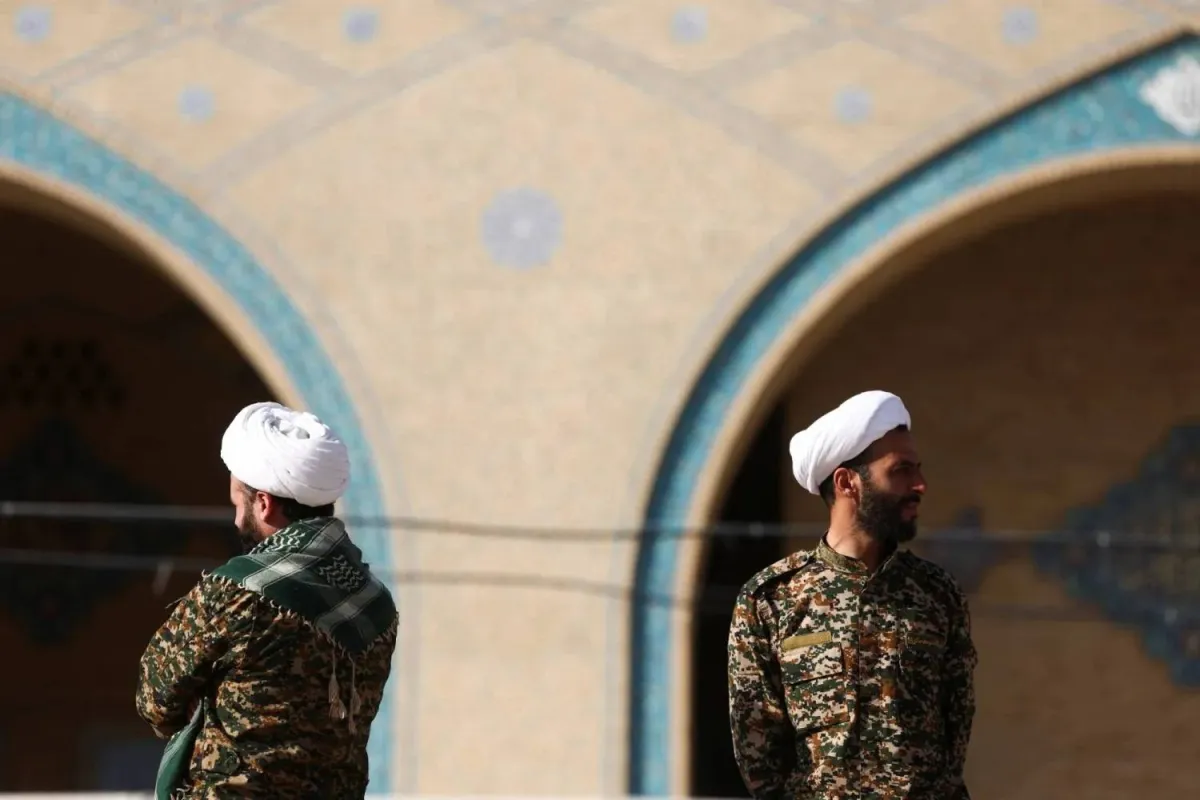
The transformation follows decades in which Khamenei maintained absolute control over Iran's political, military, and financial institutions. According to reporting detailed by Asharq Al-Awsat, Khamenei survived an assassination attempt early in his career and subsequently wove an invisible web of loyalists, delegates, and security mechanisms that reached into every corner of the state. That centralized control evaporated when air raids struck Tehran, prompting a rapid dispersal of combat structures.
Media additions
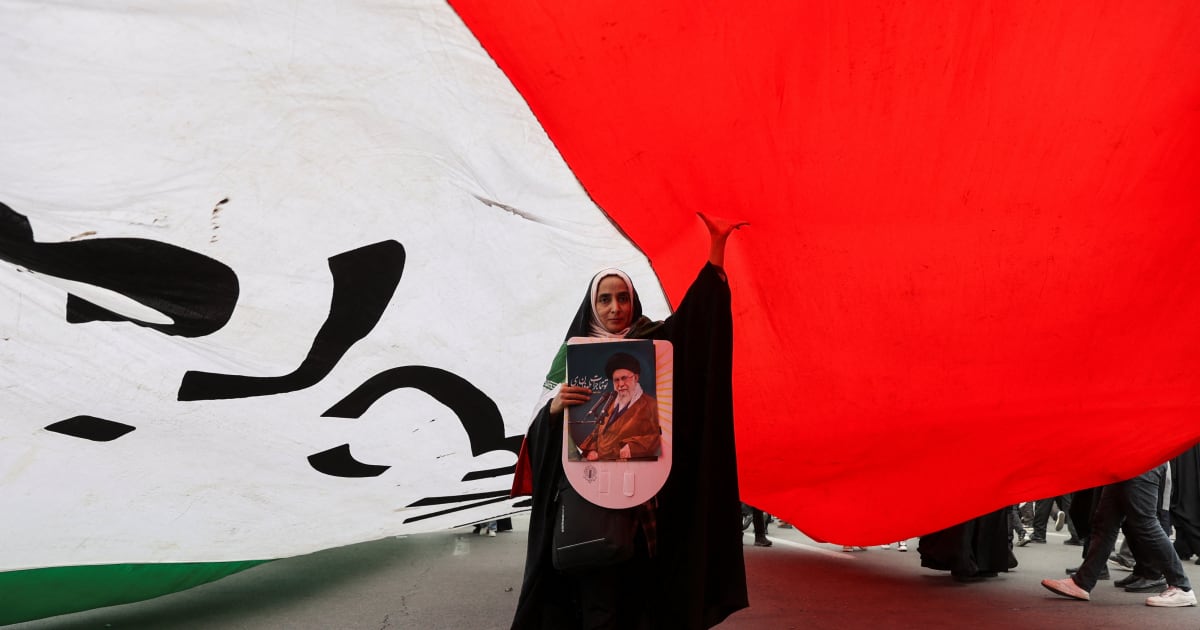
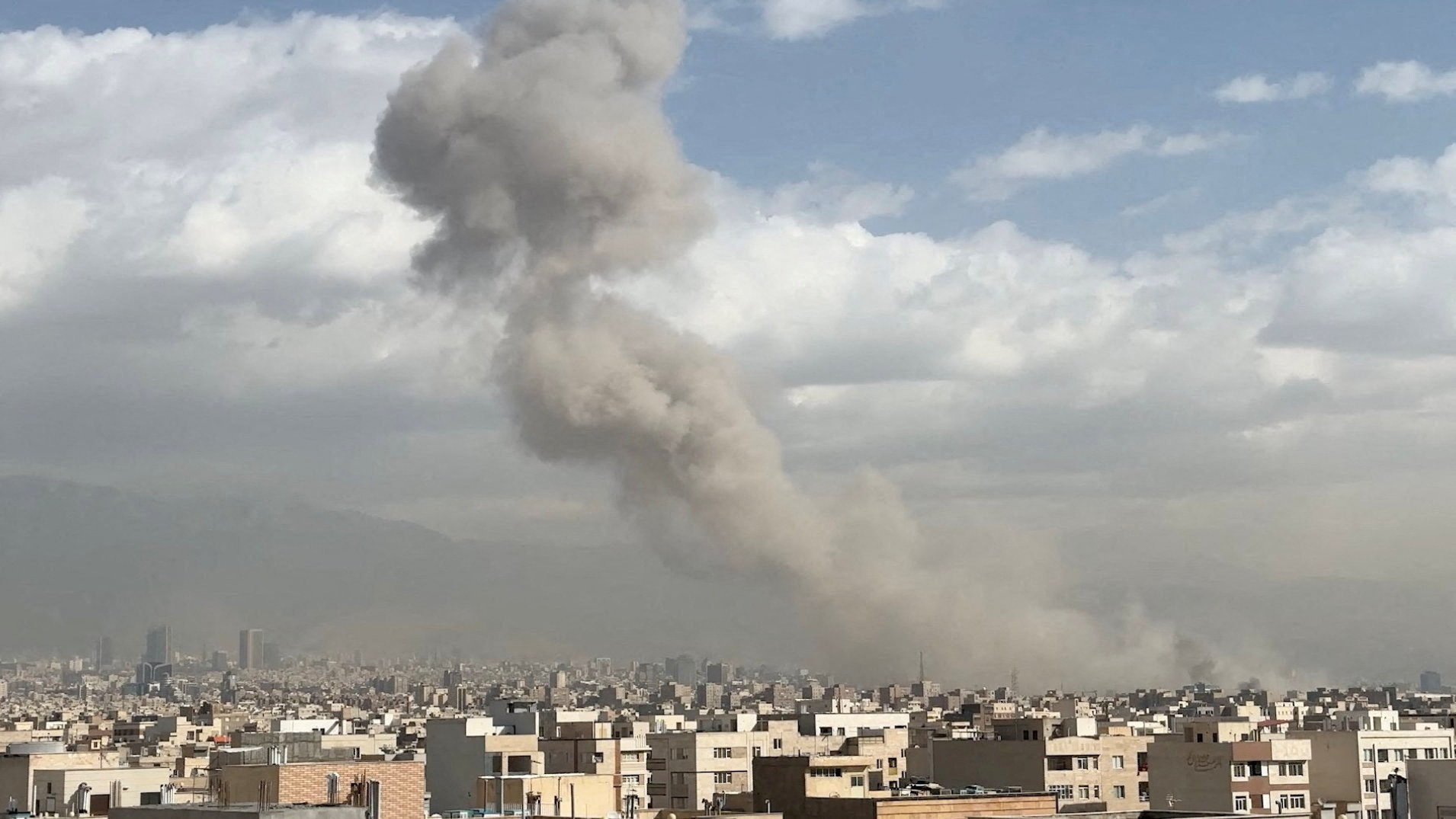
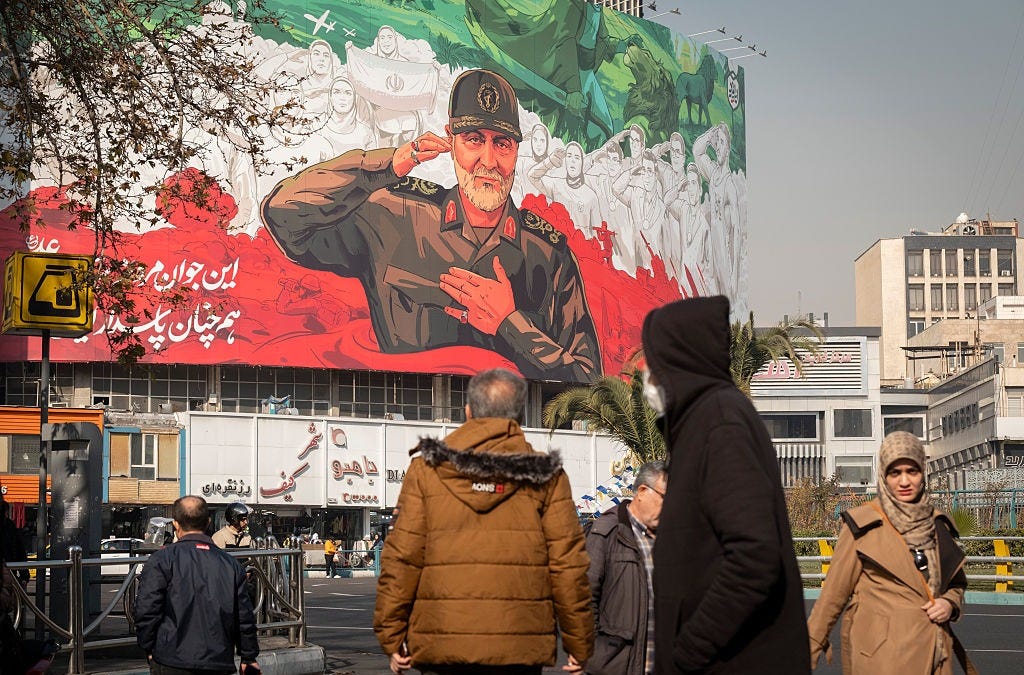
Experts note that the system's survival strategy relies no longer on a single supreme arbiter, but on operational commanders acting much like clandestine cells. Research compiled by the Council on Foreign Relations outlines several potential trajectories for the regime, ranging from managed clerical continuity through the Assembly of Experts to a definitive military takeover by the Islamic Revolutionary Guard Corps (IRGC). While figures such as Mojtaba Khamenei maintain deep ties to the security apparatus, analysts caution that the traditional religious legitimacy of the office has been severely degraded by ongoing internal unrest and external strikes.
Meanwhile, the geopolitical fallout has strained relations between Tehran and European capitals. A diplomatic row erupted when Iranian authorities detained two French embassy employees, a move denounced by French officials as a flagrant violation of diplomatic immunity. Iranian state media defended the detentions, claiming the individuals were meeting with security-related dissidents, while Iranian representatives criticized European nations for harboring ideological and religious networks linked to Tehran's revolutionary apparatus. Observers highlight a stark asymmetry in how these influence networks operate across Europe compared to the strict limitations placed on Western cultural institutions inside Iran.
| Transition Phase | Primary Actors | Key Characteristics |
|---|---|---|
| Centralized Rule | Ayatollah Ali Khamenei, Inner Circle | Personal dominance, supreme authority, religious symbolism, and unified state control. |
| Networked Adaptation | IRGC Units, Regional Cells, Decentralized Commanders | Cell-based survival, operational autonomy, and fragmented institutional decision-making. |
| Potential Trajectories | Military Junta, Clerical Apparatchiks, State Collapse | Regime consolidation under the military, succession via the Assembly of Experts, or severe internal disarray. |
As international stakeholders monitor the situation, attention turns toward whether the disparate military units can maintain operational cohesion without a supreme leader to settle internal disputes. Domestic stability and regional security hang in the balance as the broader Middle East Forum notes the ongoing friction between European diplomatic engagement and Iran's refusal to grant reciprocal freedoms.
How significant is this development?
Contribute your assessment to the aggregated reader sentiment ledger.
Frequently Asked Questions
Key questions answered in this reportWhat is the key development in: Iran transitions to networked rule after Ali Khamenei's death?
Iran has transitioned from centralized autocratic governance to a decentralized network of military factions and autonomous cells following the killing of Supreme Leader Ayatollah Ali Khamenei.
Why is this Politics development significant for the UK?
This report covers critical events in our Politics beat. Independent reporting monitors related UK statements, regulatory shifts, and public responses as further verified details emerge.
How was this reporting corroborated and verified?
Newsarchy UK compiles and cross-references reporting from primary reporting from english.aawsat.com and cross-checked wire reports. All coverage adheres to published editorial standards.
When was this report published?
This briefing was published on October 8, 2026 and is permanently cataloged in the Newsarchy UK Politics archives.