John Healey poised to raise taxes on banks in budget
Chancellor John Healey is widely expected to target the financial sector for increased levies in his forthcoming budget to stabilize public finances.

- Core Development: Chancellor John Healey is widely expected to target the financial sector for increased levies in his forthcoming budget to stabilize public finances.
- Beat Context: Categorized under Politics with independent corroboration.
- Reporting Depth: 3 minute analytical read synthesized from verified newsroom sources.
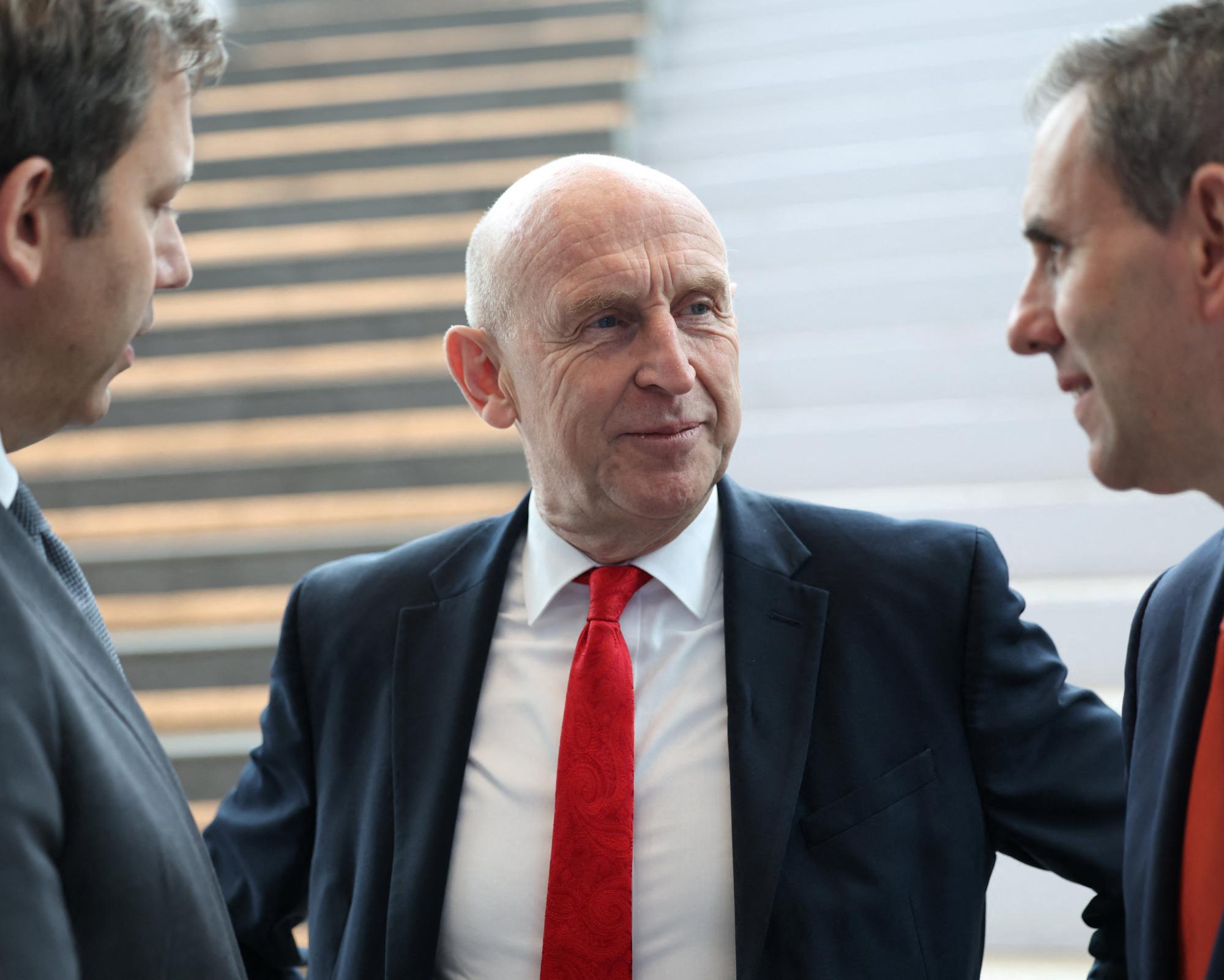
Chancellor John Healey is widely expected to target the financial sector for increased levies in his forthcoming budget, walking a tightrope between stabilizing public finances and avoiding damage to economic growth according to Bloomberg Tax. As borrowing costs rise and the fiscal margin left by previous planning narrows, the Treasury is exploring ways to raise substantial revenue from lenders that have recorded bumper profits off the back of elevated interest rates reported by Reuters via Yahoo News.
Speaking to reporters in Bangkok during the International Monetary Fund's annual meeting, Healey described banking institutions as hardwired into the economic fabric of the country, while declining to explicitly rule out or confirm upcoming tax changes noted by Yahoo News. Subsequent reporting by the Guardian indicated that the finance minister is poised to tap the financial sector to help offset pressures on the public purse covered by Aol. Among the measures under discussion is reversing cuts to the bank surcharge made by his predecessor, a step that analysts suggest could yield billions of pounds annually according to Reuters.
Media additions


| Bank Tax Measure | Estimated Annual Yield | Source / Proponent |
|---|---|---|
| Reversing bank surcharge cuts to prior levels | Up to £2bn - £2.25bn | AOL / Yahoo News |
| TUC proposal for 16% surcharge | £24bn over four years | Trades Union Congress |
| Moratorium on historical loss offsets | Around £1bn | BBC / Industry Analysts |
The debate over financial sector taxation highlights sharp disagreements between government planners, trade unions, and banking executives. Paul Nowak, general secretary of the Trades Union Congress (TUC), argued that lenders have benefited enormously from household mortgage pressures and should pay a fairer share highlighted by AOL. By contrast, industry trade bodies such as UK Finance cautioned that any additional tax burden would discourage investment, weaken the nation's financial competitiveness, and actively work against broader government ambitions for nationwide economic growth reported via Yahoo News. Senior banking executives speaking anonymously to the Bbc expressed resignation that the sector is firmly on the menu for potential tax raids reported by the BBC.
The International Monetary Fund has praised the UK's trajectory on deficit reduction, encouraging ministers to stay the course as global economic conditions remain challenging noted in Reuters reporting.
The broader fiscal backdrop for the upcoming announcement involves intense pressure across multiple fronts. Think tanks and independent analysts have pointed out that rising debt servicing costs and wider economic pressures have narrowed the headroom available to the Treasury. Officials are also weighing various other revenue generators and policy adjustments across the economy, ranging from possible alterations to capital gains tax and pension allowances to potential shifts in duties on betting and adjustments to property taxation, though banking profits remain a primary focus for expected intervention.
Lobbying efforts from the financial sector have been intense in the weeks leading up to the fiscal event. Representatives from major institutions have argued that the UK already maintains a high tax burden on financial services compared to rival global jurisdictions. Chief executives from major high street lenders including HSBC, Lloyds Banking Group, NatWest, and Barclays have engaged directly with Treasury officials to press the case that additional sector-specific taxes risk constraining lending capacity and damaging broader economic dynamism.
All eyes now turn to the upcoming fiscal event on October 28, where the chancellor will formally unveil his complete budgetary measures confirmed by Bloomberg Tax. Observers will be watching closely to see whether the Treasury proceeds with targeted surcharges on financial profits or pursues alternative routes to shore up the public finances.
How significant is this development?
Contribute your assessment to the aggregated reader sentiment ledger.
Frequently Asked Questions
Key questions answered in this reportWhat is the key development in: John Healey poised to raise taxes on banks in budget?
Chancellor John Healey is widely expected to target the financial sector for increased levies in his forthcoming budget to stabilize public finances.
Why is this Politics development significant for the UK?
This report covers critical events in our Politics beat. Independent reporting monitors related UK statements, regulatory shifts, and public responses as further verified details emerge.
How was this reporting corroborated and verified?
Newsarchy UK compiles and cross-references reporting from primary reporting from The Mirror and cross-checked wire reports. All coverage adheres to published editorial standards.
When was this report published?
This briefing was published on October 15, 2026 and is permanently cataloged in the Newsarchy UK Politics archives.