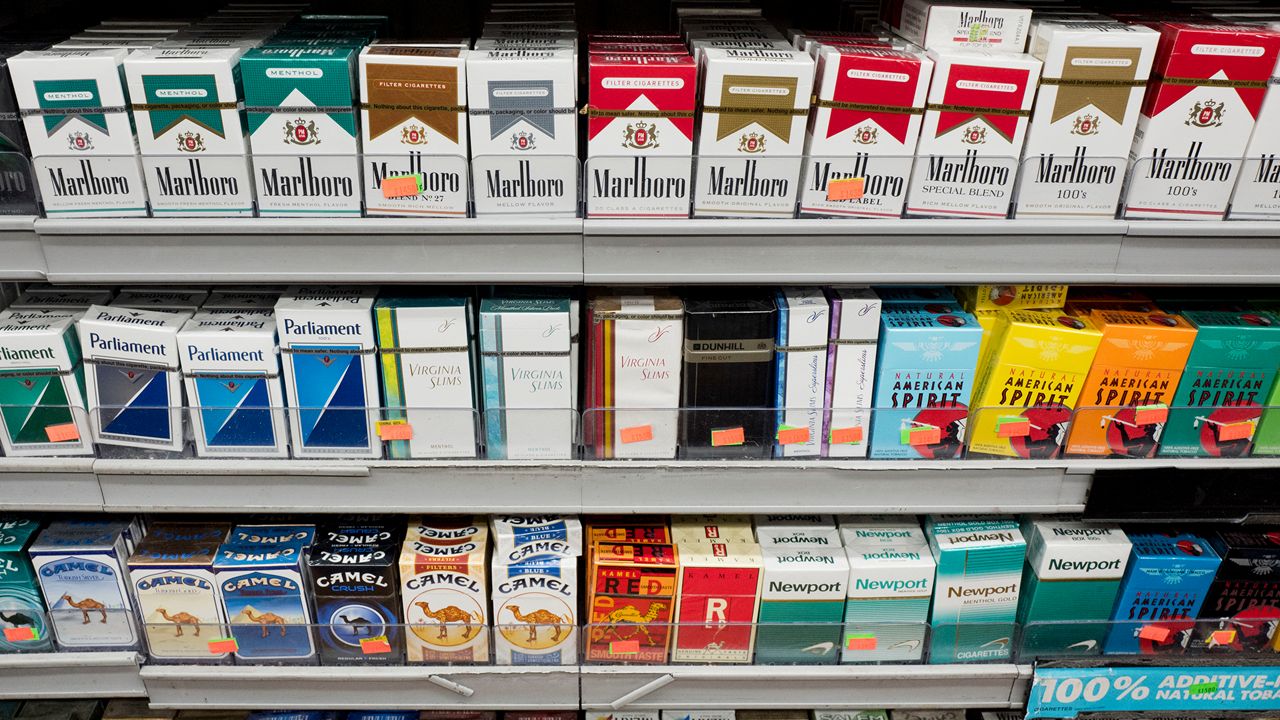
Tuberculosis causes 1.23 million deaths worldwide as leading infectious killer
Tuberculosis remains the world's leading infectious killer as drug resistance grows, driving economic shifts toward pre-owned marketplaces for relief.
- Core Development: Tuberculosis remains the world's leading infectious killer as drug resistance grows, driving economic shifts toward pre-owned marketplaces for relief.
- Beat Context: Categorized under Cost of Living with independent corroboration.
- Reporting Depth: 4 minute analytical read synthesized from verified newsroom sources.
Tuberculosis remains the world's leading infectious killer, claiming millions of lives annually as the ancient disease adapts through drug resistance according to Wikipedia data. Concurrently, households facing financial strain are increasingly turning to the circular economy and pre-owned marketplaces to manage mounting expenses, connecting Global health crises with everyday survival strategies under pressure.
Understanding the Global Tuberculosis Crisis
The global public health landscape continues to grapple with the disease documented in Wikipedia's medical records. While sanitation improvements, vaccines, and antibiotics dramatically reduced prevalence during past centuries, antibiotic resistance has emerged as a significant obstacle. Multidrug-resistant strains require lengthy, toxic, and expensive treatment regimens compared to standard therapies. In 2024, tuberculosis incidence reached an estimated 10.7 million people and caused 1.23 million deaths, making it the leading cause of death from a single infectious agent worldwide, according to Wikipedia.
Families affected by severe forms of the illness often face deep economic distress. The financial burden of managing complex treatments can drain household resources, particularly in lower-income regions where out-of-pocket healthcare costs drive families toward poverty. Treatment of multidrug-resistant tuberculosis requires second-line drugs that are generally less effective, more toxic, and more expensive than first-line drugs, with treatment regimens running for up to two years compared to six months of first-line drug treatment.
Economic Pressures and the Rise of the Secondhand Economy
This economic squeeze extends far beyond healthcare. As households navigate tightening budgets, consumer habits are shifting toward alternative retail channels. Platforms facilitating the trade of pre-owned goods report substantial activity as shoppers seek out affordable necessities.
According to findings from the Secondhand Effect Report created by Vayuu for Subito, purchasing pre-owned items offers a practical method for stretching household income while avoiding the higher costs associated with new retail goods. Giuseppe Pasceri, CEO of Subito, noted that buying used items serves as an ally that makes a concrete contribution to family budgets and redistributes value across communities, as reported by Adnkronos/Labitalia and La Milano.
"Sustainability remains essential, but it is undergoing a phase of great evolution: in times of uncertainty, it is no longer just the environmental aspect that must be considered, but also the economic and social one"
Giuseppe Pasceri, CEO of Subito, via Adnkronos/Labitalia and La Milano
Pasceri added that second hand is not a renunciation but a different way of choosing, noting that for 59% of buyers it makes a concrete contribution to the family budget and redistributes value in the area.
International Expansion and Digital Platforms
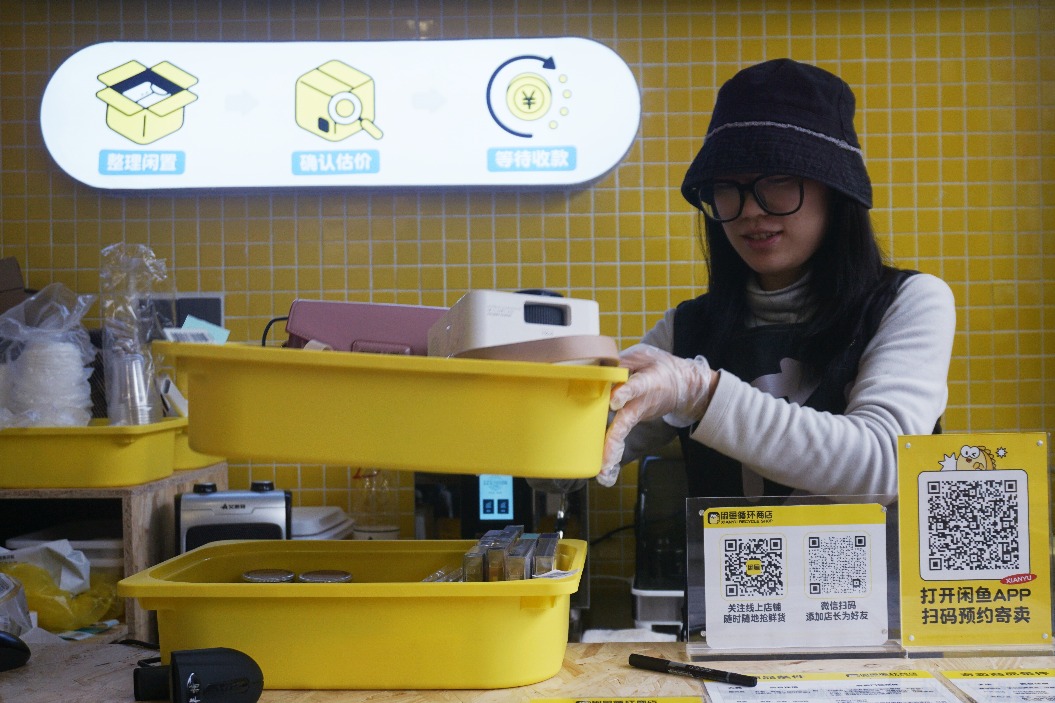
A similar expansion is visible internationally through China Daily coverage, where younger, internet-savvy consumers increasingly rely on online trading platforms to secure cheaper products. Industry analysts observe that government trade-in initiatives and digital platforms are working to standardize the circular economy, providing financial relief to consumers while promoting resource efficiency.
Ding Jian, president of Xianyu—Alibaba Group's online trading platform for secondhand goods—stated that an increasing number of young Chinese consumers are paying more attention to green, sustainable consumption and regard the purchase of secondhand goods as a thrifty, environmentally friendly way to shop. Ding noted that Xianyu will cooperate with government departments to speed up the establishment of standards concerning the secondhand trading system, boost efficient recycling, and leverage digital technologies like artificial intelligence to continuously enrich and innovate trading mechanisms.
China's latest measures to boost large-scale equipment renewals and trade-in deals for consumer goods will further stimulate purchasing appetites, unleash domestic demand potential, and consolidate the foundation for economic recovery, according to experts cited by China Daily. In late July, China announced it would allocate about 300 billion yuan ($42 billion) in ultra-long-term special treasury bonds to support large-scale equipment upgrades and trade-in activities for consumer goods, with about half of the planned bond funds used to support trade-in deals for consumer goods.
| Metric Category | Reported Figure / Detail | Context / Source |
|---|---|---|
| Global TB Impact | 1.23 million deaths | Leading single infectious agent killer (Wikipedia) |
| Latent TB Population | Approximately 2 billion people | One-quarter of the world's population (Wikipedia) |
| Pre-owned Platform Activity | Over 15 million items sold | Subito environmental impact study (La Milano) |
| Consumer Budget Impact | 59% of buyers | Reported concrete contribution to family budgets (Adnkronos/Labitalia) |
Future Outlook and Interventions
What happens next depends heavily on coordinated policy and health interventions. Public health authorities continue to monitor drug resistance patterns and roll out rapid molecular testing recommendations, such as the Xpert MTB/RIF test recommended by World Health Organization guidelines, to catch resistant infections early. Simultaneously, digital marketplace operators plan to expand user bases and refine verification standards for secondary goods as economic pressures persist.
On the economic front, platforms like Xianyu expect to serve more than 1 billion users and help drive carbon emission reductions of more than 55 million tons by 2030, according to Li Xiang, head of Xianyu's environmental, social, and governance practices. Analysts continue to call for efforts to bolster standardized and regulated development of the secondhand goods market, carry out third-party identification for high-value used goods, and enhance the processing and utilization of renewable resources as the sector enters a new stage of growth.
How significant is this development?
Contribute your assessment to the aggregated reader sentiment ledger.
Frequently Asked Questions
Key questions answered in this reportWhat is the key development in: Tuberculosis causes 1.23 million deaths worldwide as leading infectious killer?
Tuberculosis remains the world's leading infectious killer as drug resistance grows, driving economic shifts toward pre-owned marketplaces for relief.
Why is this Cost of Living development significant for the UK?
This report covers critical events in our Cost of Living beat. Independent reporting monitors related UK statements, regulatory shifts, and public responses as further verified details emerge.
How was this reporting corroborated and verified?
Newsarchy UK compiles and cross-references reporting from primary reporting from en.lamilano.it and cross-checked wire reports. All coverage adheres to published editorial standards.
When was this report published?
This briefing was published on October 15, 2026 and is permanently cataloged in the Newsarchy UK Cost of Living archives.