England declares severe drought across six counties after driest period in a century
Severe drought has been declared across parts of six English counties following the driest April-to-September period in over a century, leaving major reservoirs critically depleted.

- Core Development: Severe drought has been declared across parts of six English counties following the driest April-to-September period in over a century, leaving major reservoirs critically depleted.
- Beat Context: Categorized under Weather with independent corroboration.
- Reporting Depth: 4 minute analytical read synthesized from verified newsroom sources.
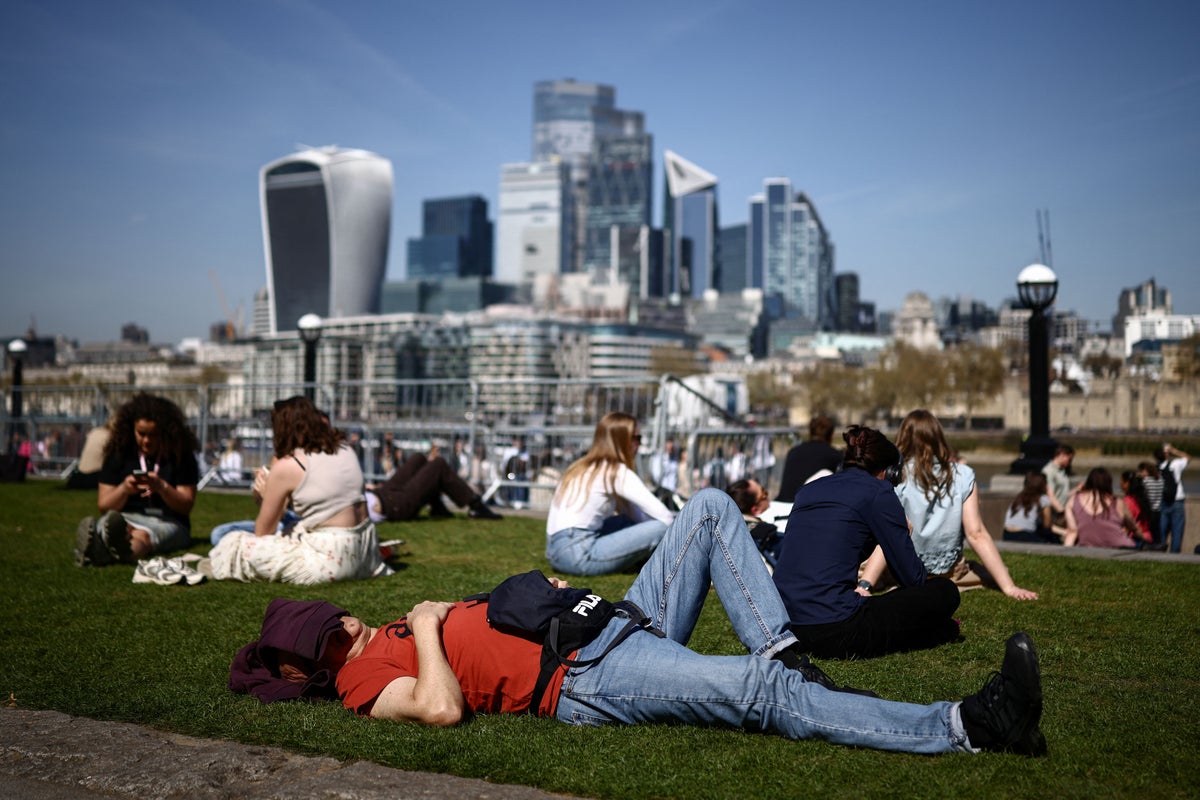
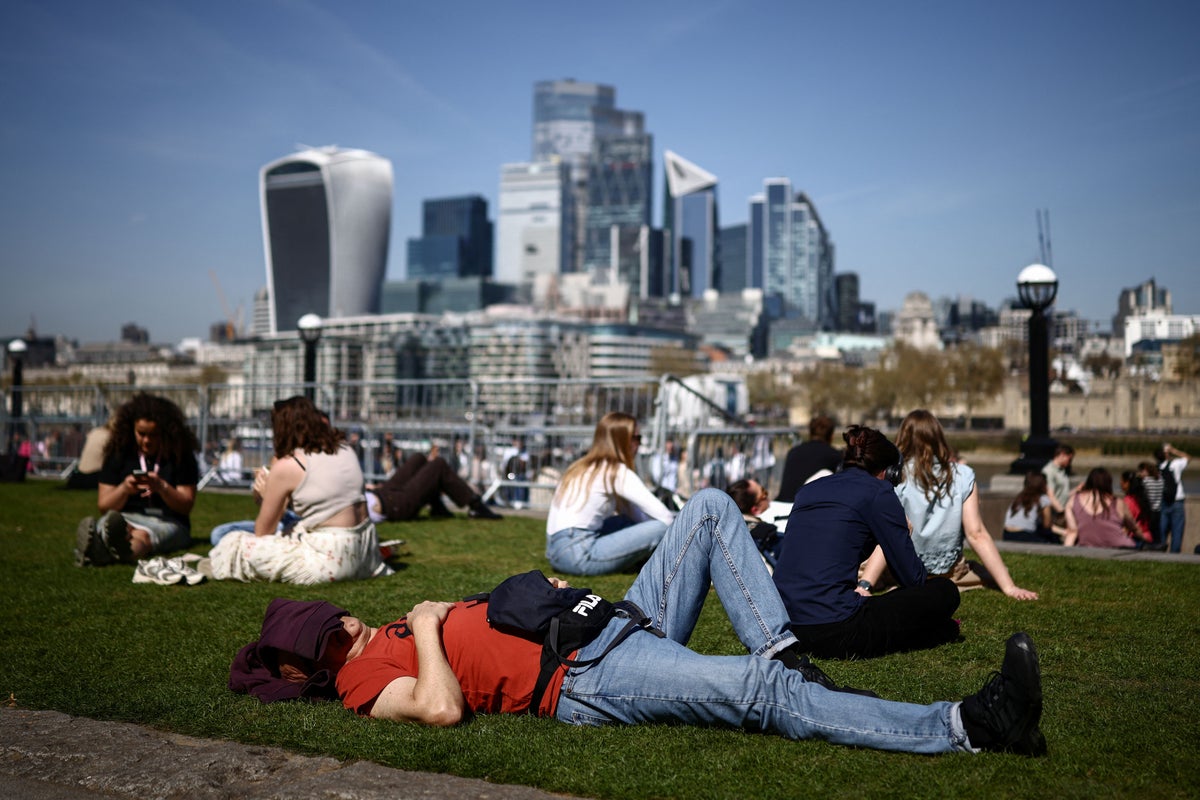
Severe drought has been officially declared across parts of six English counties following what officials described as the driest April-to-September period in more than a century, placing immediate strain on regional water resources and prompting emergency regulatory controls. According to The Guardian, the emergency measures affect parts of Cornwall, Devon, Dorset, Somerset, East Sussex, and West Sussex. The crisis follows a record-breaking hot summer that saw persistent high pressure and dramatically reduced rainfall across southern and southwestern England, leaving major reservoirs depleted to fractions of their expected seasonal capacities.
The stark severity of the dry spell is underscored by official figures from the Independent and Mirror. Southern and southwestern England recorded nearly 40% less rainfall than average between April and September. Analysis of Met Office data cited by Geo News revealed that stations in the affected regions received an average of 232mm of rain, breaking the previous record low of 239mm set in 1976. Extreme dry spells saw locations in Devon and Hampshire endure 50 and 49 consecutive days without measurable rain, while average daily maximum temperatures reached 21.3°C, eclipsing previous historic highs.
Media additions
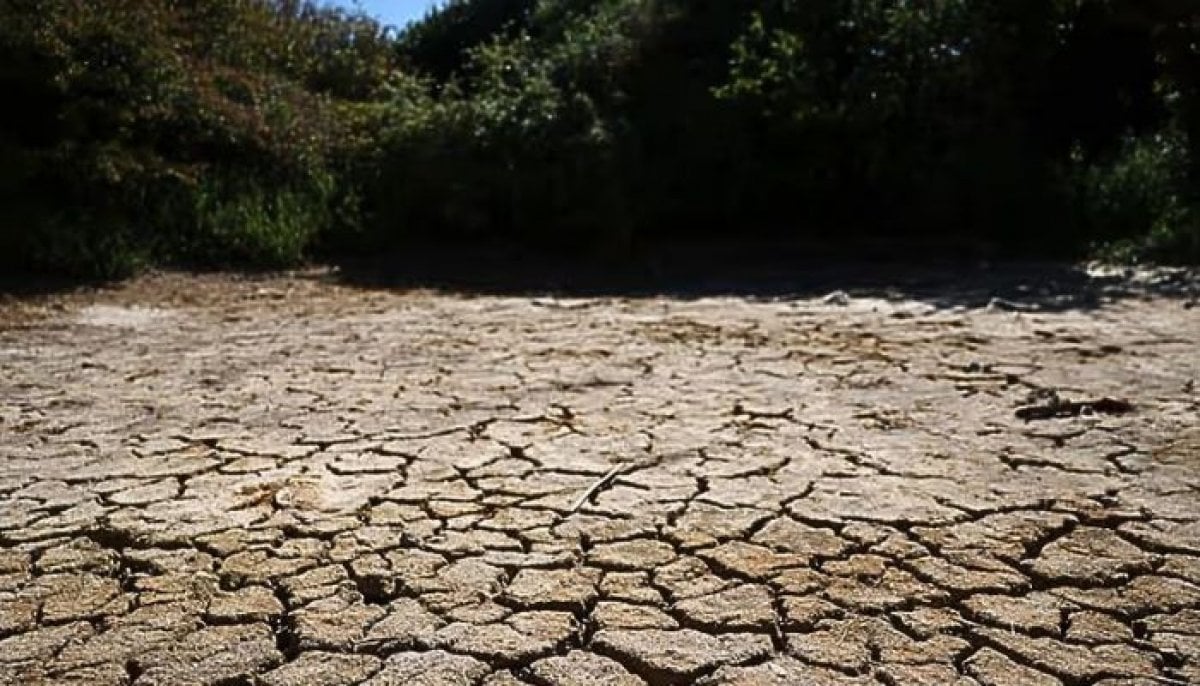
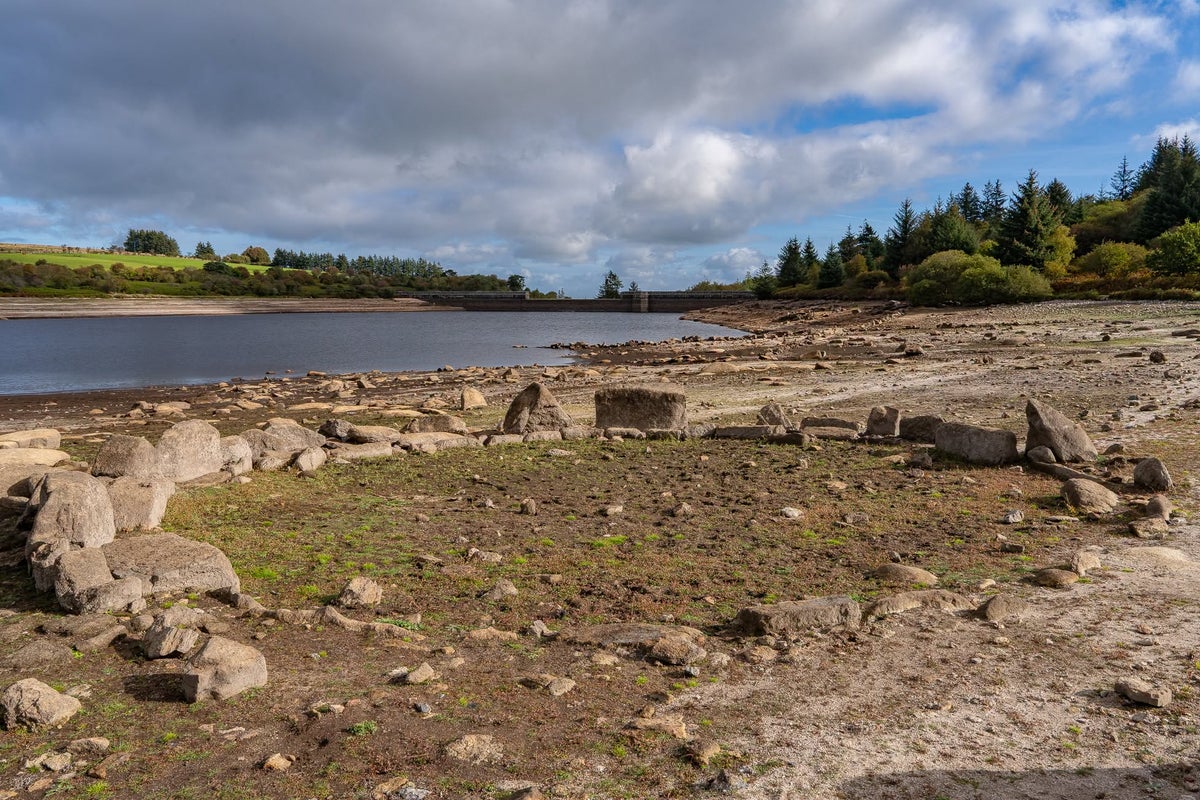
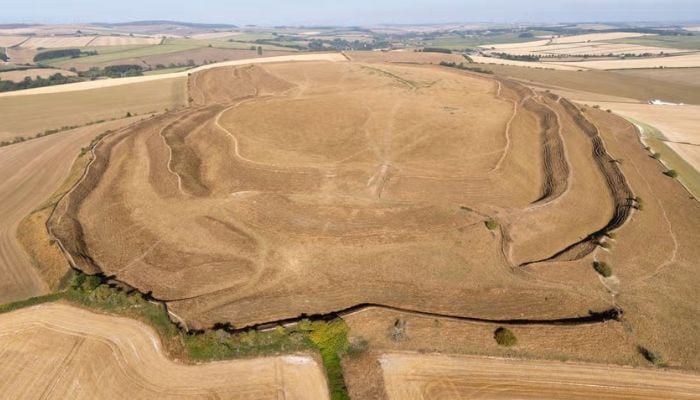
The consequences of the prolonged dry conditions are most visible in critically low reservoir levels. Under normal seasonal expectations, the Environment Agency anticipates reservoir storage across England to sit at approximately 75%. Instead, major facilities supplying hundreds of thousands of properties have plunged to near-empty states.
| Reservoir | Location | Current Capacity | Customer Reach / Impact |
|---|---|---|---|
| Wimbleball | Somerset | 16% | Supplies about 300,000 customers across East and North Devon, Somerset, and West Dorset |
| Ardingly | West Sussex | 19% | Supplies about 95,000 properties in Haywards Heath, Uckfield, and surrounding areas |
| Drift and Stithians | Cornwall | Depleted | Supplies approximately 56,000 households in Cornwall |
| Tottiford and Venford group | Devon | Depleted | Serves approximately 47,000 households in Devon |
In response to the mounting pressure on water resources, the Department for Environment, Food & Rural Affairs and the Environment Agency convened the National Drought Group to coordinate countermeasures. Regulators have instructed water companies — including South East Water, South West Water, and Southern Water — to intensify monitoring of river and water levels on a daily basis. Furthermore, permits have been issued to reduce the volume of water released from reservoirs into nearby rivers. According to The News, South East Water has been authorized to hold back an additional three million litres a day at Ardingly, while South West Water can retain an additional nine million litres a day at Wimbleball, keeping more water within public supply networks at the expense of river flows.
Disagreements persist between government officials and water utilities regarding the speed and scope of restrictions. South East Water, South West Water, and Southern Water have requested permission to implement non-essential water-use bans targeting commercial properties, which would affect entities such as golf clubs, private schools, and commercial car washes. However, The Guardian reports that Environment Secretary Dame Angela Eagle has not yet approved these commercial bans, even as she urges companies to strengthen their drought planning.
"This level of drought is something we have not experienced for decades, so this Government is stepping up our support and planning."
Dame Angela Eagle, Environment Secretary, via The Mirror
Environmental regulators have also stepped up oversight of commercial abstractors. The Environment Agency is increasing compliance checks on businesses that draw water directly from natural sources to ensure they strictly adhere to permitted limits. Simultaneously, heightened water quality monitoring has been mandated to manage the environmental risks posed by lower sewage dilution levels in depleted rivers.
Wider structural vulnerabilities within the UK's water network have also come under scrutiny. Critics and industry analysts point out that England has experienced three droughts in five years, following previous crises in 2022 and 2025, upending historical patterns where dry spells arrived only once every five to ten years. Climate experts warn that human-driven climate change is accelerating extreme weather patterns, raising questions about long-term capacity.
Farmers have voiced acute concern over crop yields and livestock management. National Farmers’ Union president Tom Bradshaw described agricultural yields as severely compromised by the lack of moisture. Both public supply and farming draw from the same strained hydrological networks, creating difficult choices for environmental regulators.
Looking ahead, recovery from the severe drought will require significant and sustained changes in weather patterns. According to Geo News, assessments by the National Drought Group indicate that ending the drought conditions will necessitate rainfall reaching approximately 120% of normal levels over the coming seven-month period. In the interim, authorities continue to appeal to households and businesses to practice water conservation to protect vulnerable river ecosystems and wildlife.
How significant is this development?
Contribute your assessment to the aggregated reader sentiment ledger.
Frequently Asked Questions
Key questions answered in this reportWhat is the key development in: England declares severe drought across six counties after driest period in a century?
Severe drought has been declared across parts of six English counties following the driest April-to-September period in over a century, leaving major reservoirs critically depleted.
Why is this Weather development significant for the UK?
This report covers critical events in our Weather beat. Independent reporting monitors related UK statements, regulatory shifts, and public responses as further verified details emerge.
How was this reporting corroborated and verified?
Newsarchy UK compiles and cross-references reporting from primary reporting from mirror.co.uk and cross-checked wire reports. All coverage adheres to published editorial standards.
When was this report published?
This briefing was published on October 15, 2026 and is permanently cataloged in the Newsarchy UK Weather archives.