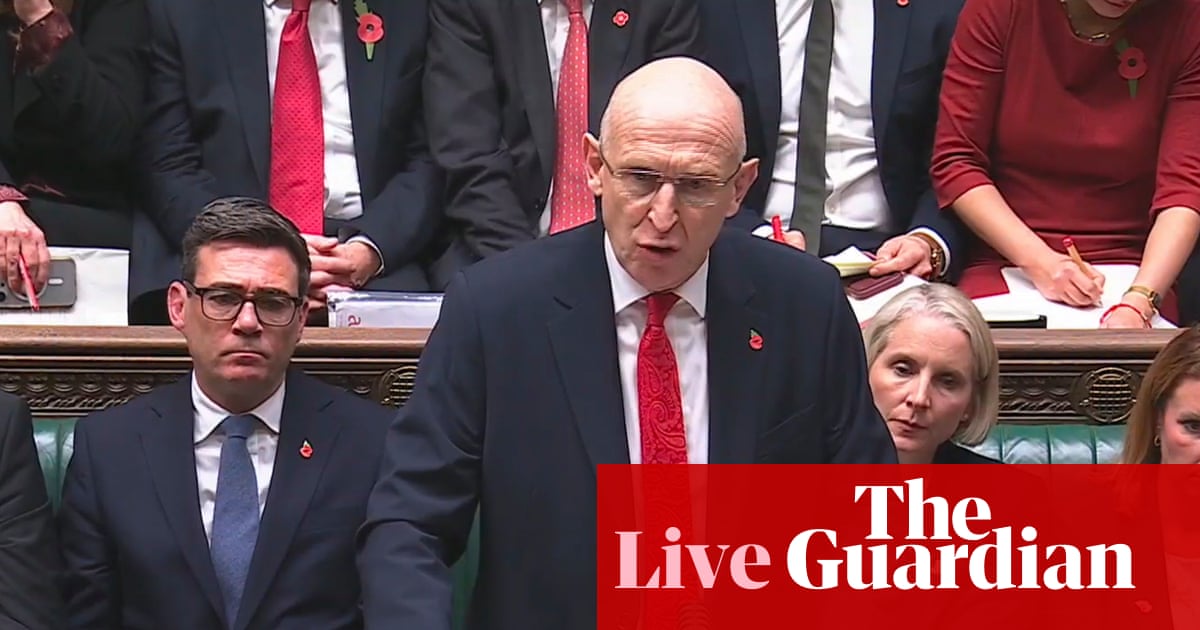
John Healey warns of more ‘hard decisions’ and departmental spending cuts
Chancellor John Healey has warned government departments to prepare for tough spending cuts and difficult choices to fund public commitments and address future spending reviews.
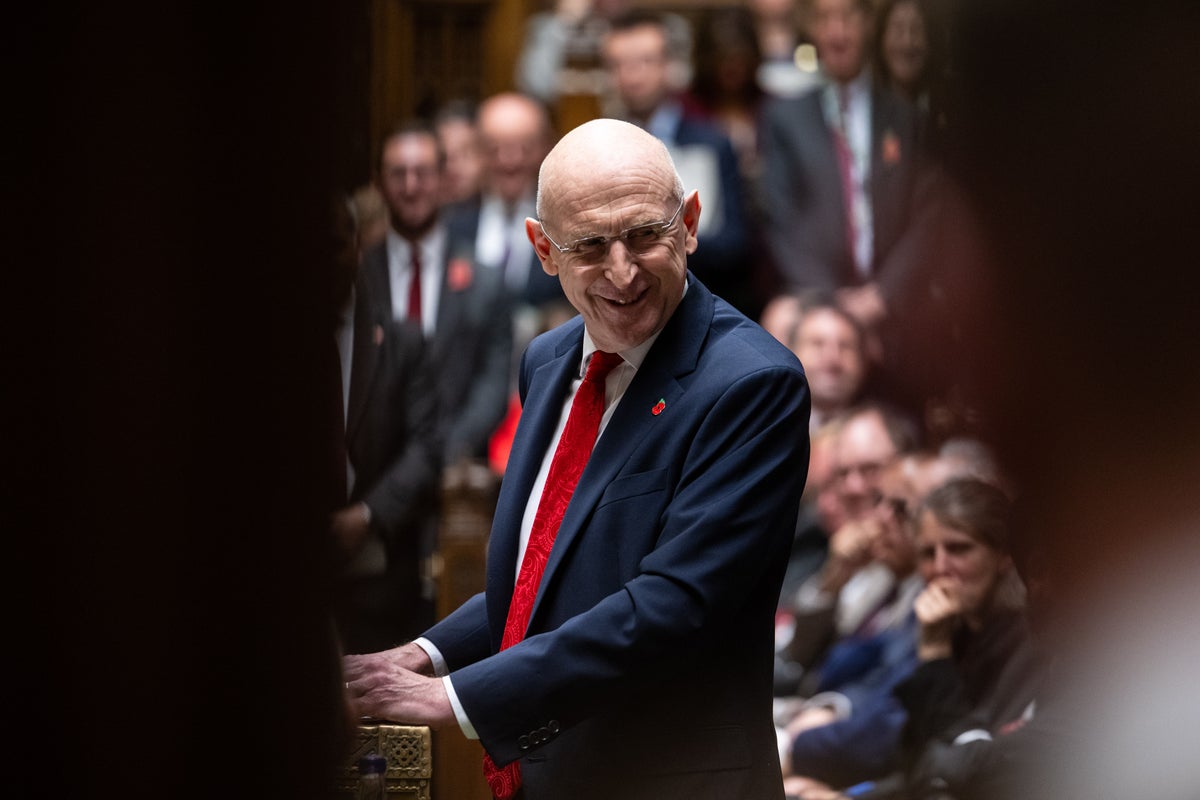
- Core Development: Chancellor John Healey has warned government departments to prepare for tough spending cuts and difficult choices to fund public commitments and address future spending reviews.
- Beat Context: Categorized under Politics with independent corroboration.
- Reporting Depth: 3 minute analytical read synthesized from verified newsroom sources.
Chancellor John Healey has warned that government departments must brace for further spending cuts and difficult choices in order to fund pressing public commitments and upcoming spending reviews, following his first fiscal statement.
The warnings follow London Business News reporting that international instability and conflict have impacted inflation, economic growth, and state borrowing costs. According to the Conservative Post, the Institute for Fiscal Studies (IFS) has outlined an illustrative spending challenge of approximately £35bn a year by the end of the decade. This figure accounts for raising defence spending to 3% of gross domestic product, maintaining health spending growth, and accommodating public sector pay and productivity pressures without imposing real-terms cuts elsewhere.
Media additions


The Chancellor hit back against accusations that his fiscal package was modest, insisting during broadcast interviews that it contained significant decisions. As reported by The Independent, Mr Healey pointed to energy reforms offering millions of households £100 toward soaring bills, alongside a commitment to spend 3% of economic output on defence by 2030. To cover a £4.7 billion shortfall in the defence investment plan left by Sir Keir Starmer, government departments will reduce capital budgets by 1% each year from 2027–28 through 2029–30, raising £3 billion. An unallocated Treasury contingency reserve will supply the remaining £1.7 billion.
Reactions to the fiscal choices spanned across the political and financial sectors. Conservative leader Kemi Badenoch dismissed the measures as inadequate, while Reform UK Treasury spokesman Robert Jenrick characterized the package as a nothing burger. Meanwhile, Helen Miller, director of the IFS, warned that borrowing reductions have been pushed back and that the fiscal statement relied on fiddly measures that do little to boost growth. Ruth Curtice, chief executive of the Resolution Foundation, described the budget as a scattergun approach that spread cost-of-living support too thinly amid severe global turmoil.
| Metric / Proposal | Figure / Detail | Source / Attribution |
|---|---|---|
| Defence Spending Target | 3% of economic output by 2030 | The Independent |
| Defence Investment Plan Shortfall | £4.7 billion total black hole | The Independent |
| Departmental Capital Budget Cuts | 1% reduction each year (2027–30) | The Independent |
| Illustrative Spending Challenge (2030–31) | Up to £35 billion a year | Conservative Post / IFS |
| Bank Corporation Tax Surcharge Hike | Extra 3% for 15 months (total 6%) | London Evening Standard |
| Expected Bank Tax Revenue | £1.5 billion extra for Treasury | London Evening Standard |
The financial sector also voiced concerns over revenue-raising measures. William Chalmers, chief financial officer of Lloyds Banking Group, criticised the 15-month doubling of the bank corporation tax surcharge to 6% as unhelpful to UK economic growth and international competitiveness. While acknowledging the fiscal constraints facing ministers, Mr Chalmers urged that the tax increase remain strictly temporary and warned that additional burdens hinder the ability to reduce lending costs. The bank reported a pre-tax profit of £2.3 billion for the third quarter, bolstered by higher interest rates.
Prime Minister Andy Burnham has resisted proposals to fund defence through sweeping welfare cuts, maintaining that social security and national resilience are deeply interconnected.
The Treasury is expected to face further scrutiny as watchdogs and researchers publish additional briefings, and ministers prepare for upcoming parliamentary debates on regional investment reforms and long-term spending reviews.
How significant is this development?
Contribute your assessment to the aggregated reader sentiment ledger.
Frequently Asked Questions
Key questions answered in this reportWhat is the key development in: John Healey warns of more ‘hard decisions’ and departmental spending cuts?
Chancellor John Healey has warned government departments to prepare for tough spending cuts and difficult choices to fund public commitments and address future spending reviews.
Why is this Politics development significant for the UK?
This report covers critical events in our Politics beat. Independent reporting monitors related UK statements, regulatory shifts, and public responses as further verified details emerge.
How was this reporting corroborated and verified?
Newsarchy UK compiles and cross-references reporting from primary reporting from Conservative Post and cross-checked wire reports. All coverage adheres to published editorial standards.
When was this report published?
This briefing was published on October 29, 2026 and is permanently cataloged in the Newsarchy UK Politics archives.