Swinney calls on MSPs to unanimously back Scotland’s ‘right to decide’
First Minister John Swinney is calling on MSPs to unanimously back Scotland's right to decide its future in Parliament, setting up a high-stakes constitutional showdown.
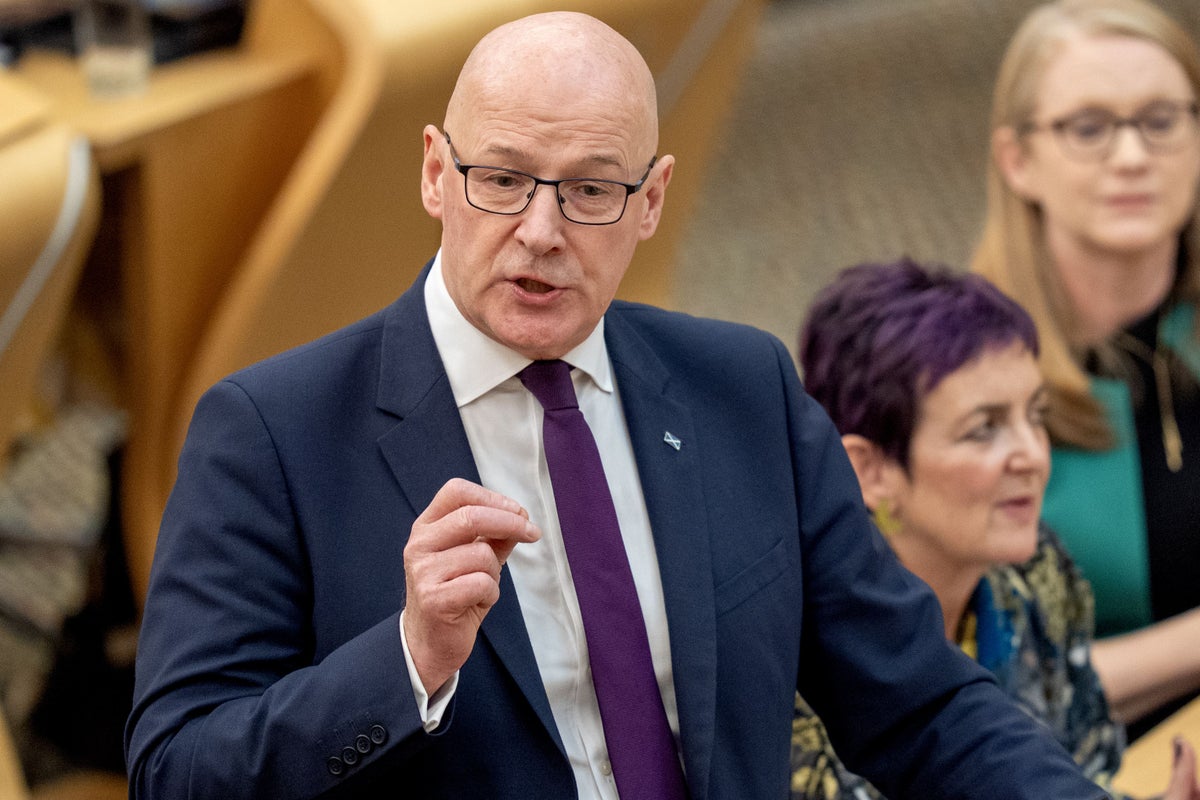
- Core Development: First Minister John Swinney is calling on MSPs to unanimously back Scotland's right to decide its future in Parliament, setting up a high-stakes constitutional showdown.
- Beat Context: Categorized under Politics with independent corroboration.
- Reporting Depth: 3 minute analytical read synthesized from verified newsroom sources.
First Minister John Swinney is calling on MSPs to unanimously back Scotland’s right to decide its own future in Parliament, setting up a high-stakes constitutional showdown in Holyrood. The push follows a tense political week marked by devolved unity talks in Cardiff, competing claims over Downing Street talks, and parallel Westminster debates on democratic reform.
The move centers on a motion scheduled for Parliament on Tuesday. According to The Independent and Lbc, the text asserts that the Scottish Parliament agrees Scotland is a nation with a fundamental right to choose its destiny. Mr Swinney argued that the self-determination movement is gathering pace, insisting that Westminster’s veto on democracy has become completely unsustainable.
Media additions
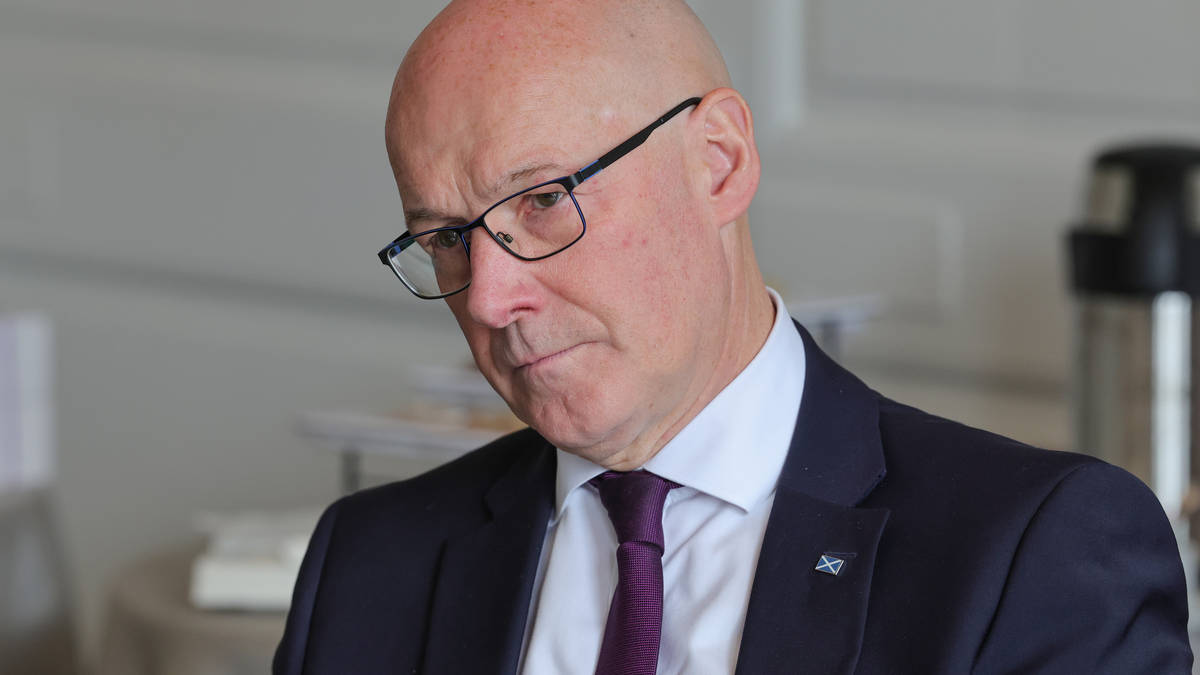


The First Minister stated that the movement for self-determination is gathering pace. As reported by The Independent and Lbc, he noted that there is growing international attention on the issue and a welcome acknowledgement from the Prime Minister of the principle that Scotland should have a referendum when it is likely that people would vote for independence.
This domestic legislative pressure follows a high-profile gathering in Cardiff, where the first ministers of the UK’s three devolved nations met to issue a joint declaration. As reported by The Independent and Lbc, Mr Swinney, Plaid Cymru leader Rhun ap Iorwerth, and Sinn Féin vice president Michelle O’Neill signed a memorandum of understanding aiming to pressure the UK Government into facilitating constitutional change and holding independence referendums.
Controversy has also erupted regarding direct communications between Edinburgh and Downing Street. The Herald detailed a sharp disagreement between the Scottish Government and No 10 over the scope of an upcoming meeting. While Mr Swinney’s administration claimed that a phone call secured agreement for talks next month covering an independence referendum, Downing Street countered that its opposition to another vote remains absolute and that the agenda is strictly limited to shared issues like the cost of living.
Scottish Conservative leader Russell Findlay blasted the Prime Minister's alleged willingness to entertain discussions, calling it an extraordinary capitulation. Meanwhile, the UK Government maintained its formal stance, with a spokesperson telling The Independent and Lbc that another referendum is off limits because it distracts from growing the economy.
The broader political landscape is further complicated by debates over electoral systems and participation, as seen in The Standard, where senior Labour figures urged Andy Burnham to consider compulsory voting to tackle distorted election results. Such discussions run parallel to Holyrood's ongoing battles over mandates and legislative competence.
| Metric / Event | Scottish Government Perspective | UK Government Perspective |
|---|---|---|
| Next Steps on Constitution | Pushing for a Section 30 order and introducing a referendum Bill once powers are secured. | Ruling out another referendum to focus on economic growth and cost of living. |
| Recent Electoral Outcome | Claiming an emphatic mandate and record pro-independence representation in Holyrood. | Emphasizing that the SNP fell short of an outright majority target. |
Looking ahead, readers and political observers should monitor the Tuesday vote in Holyrood to see if opposition parties break ranks or unite against the First Minister's motion. Further developments will depend on the scheduled talks between Edinburgh and Westminster, alongside ongoing debates across our Politics coverage.
How significant is this development?
Contribute your assessment to the aggregated reader sentiment ledger.
Frequently Asked Questions
Key questions answered in this reportWhat is the key development in: Swinney calls on MSPs to unanimously back Scotland’s ‘right to decide’?
First Minister John Swinney is calling on MSPs to unanimously back Scotland's right to decide its future in Parliament, setting up a high-stakes constitutional showdown.
Why is this Politics development significant for the UK?
This report covers critical events in our Politics beat. Independent reporting monitors related UK statements, regulatory shifts, and public responses as further verified details emerge.
How was this reporting corroborated and verified?
Newsarchy UK compiles and cross-references reporting from primary reporting from The Herald and cross-checked wire reports. All coverage adheres to published editorial standards.
When was this report published?
This briefing was published on September 20, 2026 and is permanently cataloged in the Newsarchy UK Politics archives.