Nigel Farage regains UK parliamentary seat, fights off Count Binface challenge
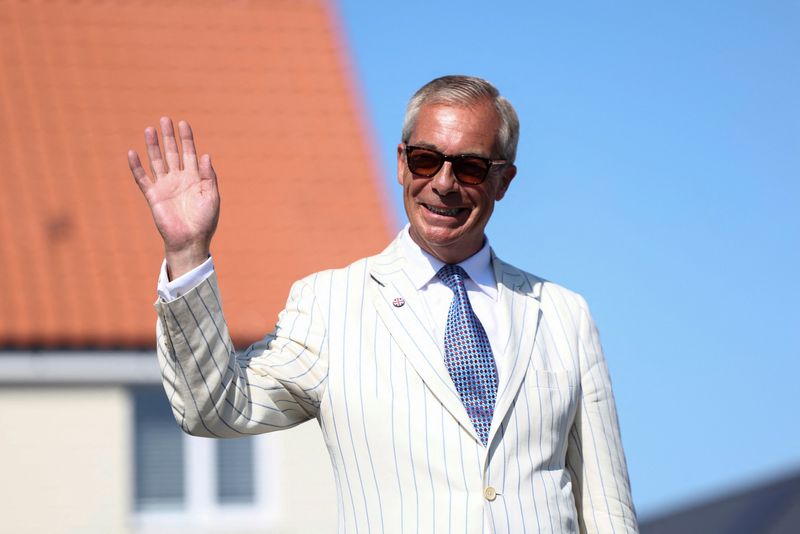
Reform UK leader Nigel Farage reclaimed his parliamentary seat in a Clacton-on-Sea by-election, fending off a strong satirical challenge from Count Binface.
- Core Development: Reform UK leader Nigel Farage reclaimed his parliamentary seat in a Clacton-on-Sea by-election, fending off a strong satirical challenge from Count Binface.
- Beat Context: Categorized under Politics with independent corroboration.
- Reporting Depth: 4 minute analytical read synthesized from verified newsroom sources.
Nigel Farage has successfully reclaimed his seat in the UK parliament, securing victory in a self-triggered by-election in southern England on Friday, according to Aol reporting. Yet the political gamble did not go entirely to plan. His primary challenger, the satirical candidate Count Binface, mounted a surprisingly strong challenge, capturing more than a quarter of the total vote.
The by-election in Clacton-on-Sea unfolded under unusual circumstances. Britain's major political parties opted to sit out the contest, dismissing the vote as a self-serving political stunt. That vacuum left the field open for the comedic persona created by comedian Jonathan Harvey, whose platform included eccentric pledges such as capping the price of ice cream cones and introducing mandatory conscription for anyone using a speakerphone on public transport.
When the ballots were tallied, Aol noted that Farage secured 62.8% of the vote. Count Binface finished a distant second with 26.7%. Turnout for the seaside by-election stood at 44%.
An Absence at the Count
In a striking break from British electoral tradition, the Reform UK leader was nowhere to be seen at the vote count. Farage explained that police advised him of an active campaign aimed at disrupting the result. He also scrapped a victory speech that had been scheduled for later that Friday.
Frustration boiled over ahead of the declaration. Addressing supporters at a private party before the numbers were announced, Farage delivered a blunt assessment of the situation:
"I am damned if I am going to stand on a stage, having won a resounding victory … and be demeaned and humiliated by nobodies."
Nigel Farage, Reform UK leader, via Aol
The poll itself was engineered by Farage himself. He had resigned from his parliamentary seat the previous month, seeking a fresh mandate from his constituents amid what he framed as a relentless war waged by the political establishment to discredit him over his personal finances.
The Shadow of a Parliamentary Investigation
Despite the win, political analysts point out that the gamble failed to achieve its primary objective of sidelining the scrutiny surrounding his financial declarations. The inquiry centers on an undeclared gift of £5 million ($6.75 million) from a billionaire cryptocurrency investor based in Thailand, received prior to the general election.
Under parliamentary rules, members must declare any donations received in the year leading up to an election within one month of taking office. While Farage has freely admitted to receiving the funds without declaring them, he maintains he committed no wrongdoing.
The parliamentary standards investigation was initially frozen when Farage triggered his resignation. Barely moments after the Clacton result was officially declared on Friday, that same investigation was reinstated as an active file. Should parliamentary authorities ultimately rule that Farage breached declaration protocols, he faces the genuine prospect of a parliamentary suspension and yet another electoral showdown in his constituency—one where the major parties would likely field candidates.
Reactions among voters highlighted the lingering skepticism. Rick Tracey, a local retiree, expressed doubt over the outcome. If we have another election, possibly the people might realise that there is smoke with fire,
he said, reported Aol.
Wider Political Headwinds
The election also highlighted broader vulnerabilities for Farage's party. Laura Richards-Gray, a politics lecturer at Birkbeck University in London, observed that the absence of mainstream opponents stripped the contest of its intended framing as a crusade against the establishment. This has backfired, particularly nationally, as Farage lost control of the narrative,
she noted.
National polling trends have added pressure. Reform UK has slipped from its previous lengthy lead in opinion polls. Part of that dip stems from the ongoing funding controversy, while a broader right-wing split involving the Conservative Party and the anti-immigration Restore Britain faction has further crowded the political space.
At the same time, the governing Labour Party has experienced a notable surge. Following the transition that saw Andy Burnham step in as prime minister, Labour has claimed a lead over Reform in recent polling, capturing 28% to Reform's 25%. Burnham's early weeks in office have been marked by heavy airtime and social media dominance, helping consolidate a left-leaning voting bloc.
Even within his own stronghold, Farage's vote share fell short of expectations. A Survation poll conducted the previous month had predicted he would claim 73% of the vote, with Count Binface trailing at 20%.
What to Watch Next
- Parliamentary Standards Committee: Monitor the resumed inquiry into Farage's undeclared financial gifts and whether it proceeds toward disciplinary recommendations.
- Potential By-Election: Watch for any moves toward a parliamentary suspension, which could force a second electoral contest in Clacton with major-party opposition.
- National Polling Dynamics: Track whether Reform UK can recover ground amid competition from the Conservatives, Restore Britain, and a resurgent Labour government under Prime Minister Andy Burnham.
How significant is this development?
Contribute your assessment to the aggregated reader sentiment ledger.
Frequently Asked Questions
Key questions answered in this reportWhat is the key development in: Nigel Farage regains UK parliamentary seat, fights off Count Binface challenge?
Reform UK leader Nigel Farage reclaimed his parliamentary seat in a Clacton-on-Sea by-election, fending off a strong satirical challenge from Count Binface.
Why is this Politics development significant for the UK?
This report covers critical events in our Politics beat. Independent reporting monitors related UK statements, regulatory shifts, and public responses as further verified details emerge.
How was this reporting corroborated and verified?
Newsarchy UK compiles and cross-references reporting from primary reporting from aol.com and cross-checked wire reports. All coverage adheres to published editorial standards.
When was this report published?
This briefing was published on August 15, 2026 and is permanently cataloged in the Newsarchy UK Politics archives.