Rachel Reeves introduces £1 car tax holiday for HGV operators
HGV operators will be eligible for a 12-month payment holiday reducing tax to £1 starting 1 July 2026, alongside broader adjustments to vehicle taxation.

- Core Development: HGV operators will be eligible for a 12-month payment holiday reducing tax to £1 starting 1 July 2026, alongside broader adjustments to vehicle taxation.
- Beat Context: Categorized under Politics with independent corroboration.
- Reporting Depth: 3 minute analytical read synthesized from verified newsroom sources.
Chancellor Rachel Reeves has introduced a targeted Vehicle Excise Duty (VED) relief measure for heavy goods vehicle (HGV) operators, effective from 1 July 2026. Eligible HGV operators are now entitled to a 12-month payment holiday that reduces their tax to £1 upon renewal. This relief applies to vehicles taxed or re-taxed between 1 July 2026 and 30 June 2027.
The government describes this measure as a means to support the road haulage sector, which it states has been disproportionately impacted by rising fuel costs linked to the conflict in Iran. According to the Road Haulage Association (RHA), the relief applies automatically to eligible vehicles. The British Vehicle Rental and Leasing Association (BVRLA) confirmed the relief covers several tax classes, including HGVs (TC01), HGV trailers (TC02), small islands vehicles (TC16), combined transport vehicles (TC23), and special types vehicles (TC57). Official estimates suggest this policy will yield savings of £600 for a typical heavy lorry, with owners of the largest vehicles potentially saving around £912 annually.
Media additions


Broader Shifts in Driver Taxation
This targeted relief for hauliers operates alongside a comprehensive overhaul of VED rates that took effect on 1 April 2026. For most cars registered after 1 April 2017, The Standard annual rate has risen to £200. Furthermore, the first-year rates for new vehicles have increased significantly across nearly all emission bands. Cars producing 191 to 225 grams of CO2 per kilometre now face a first-year charge of £3,420, while the highest bracket for vehicles emitting over 255 grams has reached £5,690.
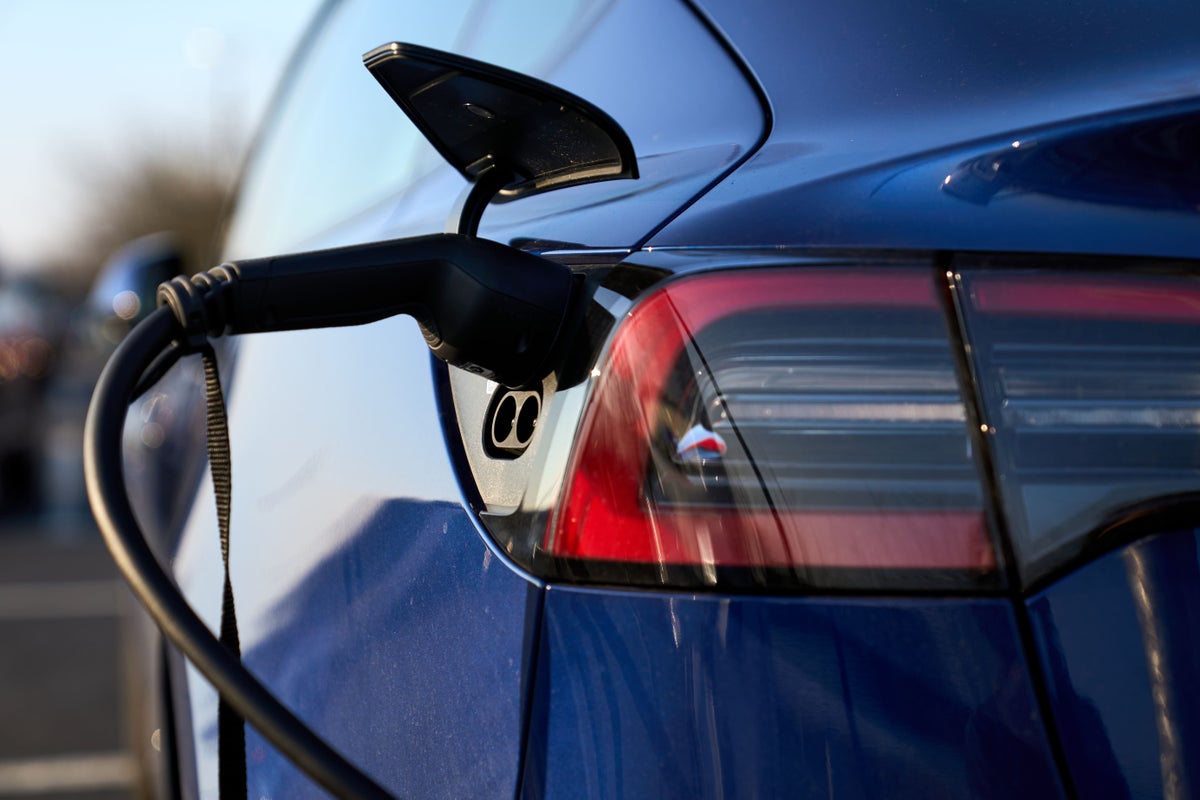
Electric vehicle (EV) owners are also navigating a new financial framework. As of April 2026, electric cars are subject to the full standard rate of £200 from their second year of ownership onwards, ending previous tax advantages. the Expensive Car Supplement threshold for EVs has been set at £50,000, while petrol and diesel vehicles remain subject to the £40,000 threshold. The supplement itself has risen to £440 per year for 2026/27.
Controversy Over Potential Pay-Per-Mile Proposals
Beyond current VED changes, intense political debate has emerged regarding reported Treasury plans to implement a pay-per-mile tax for electric vehicles, potentially to be introduced from 2028. This potential levy, reported at 3p per mile, is framed by the government as a move toward a "fairer system" to address the decline in fuel duty revenue as the number of electric cars on the road increases. A government spokesperson stated that while fuel duty covers petrol and diesel, there is currently no equivalent for electric vehicles.
Opposition figures have sharply criticised these reports. Richard Holden, the shadow transport secretary, accused the government of treating motorists “like a cash machine” to cover fiscal shortfalls. Similarly, Edmund King, president of the AA, warned that such a policy could be perceived as a “poll tax on wheels,” cautioning that the government must “tread carefully” to avoid discouraging the adoption of zero-emission vehicles. Industry analysts and business owners, such as Chris Pawsey of Everything Green Energy, have expressed concern that additional taxes could reduce the viability and uptake of electric vehicles.
Summary of Recent Tax Developments
| Category | Status/Change |
|---|---|
| HGV Operators | £1 VED rate for 12 months (starts July 2026) |
| Standard Car Tax (Post-2017) | Increased to £200 per annum |
| Electric Vehicles (Year 2+) | Now pay full standard rate |
| Future EV Levy (Proposed) | Potential 3p/mile charge from 2028 |
The government maintains that its primary goal is to ensure a sustainable funding model for infrastructure while backing the transition to greener transport. The Treasury continues to seek methods for managing long-term revenue as traditional fuel usage declines.
How significant is this development?
Contribute your assessment to the aggregated reader sentiment ledger.
Frequently Asked Questions
Key questions answered in this reportWhat is the key development in: Rachel Reeves introduces £1 car tax holiday for HGV operators?
HGV operators will be eligible for a 12-month payment holiday reducing tax to £1 starting 1 July 2026, alongside broader adjustments to vehicle taxation.
Why is this Politics development significant for the UK?
This report covers critical events in our Politics beat. Independent reporting monitors related UK statements, regulatory shifts, and public responses as further verified details emerge.
How was this reporting corroborated and verified?
Newsarchy UK compiles and cross-references reporting from primary reporting from motoringchronicle.com and cross-checked wire reports. All coverage adheres to published editorial standards.
When was this report published?
This briefing was published on July 4, 2026 and is permanently cataloged in the Newsarchy UK Politics archives.