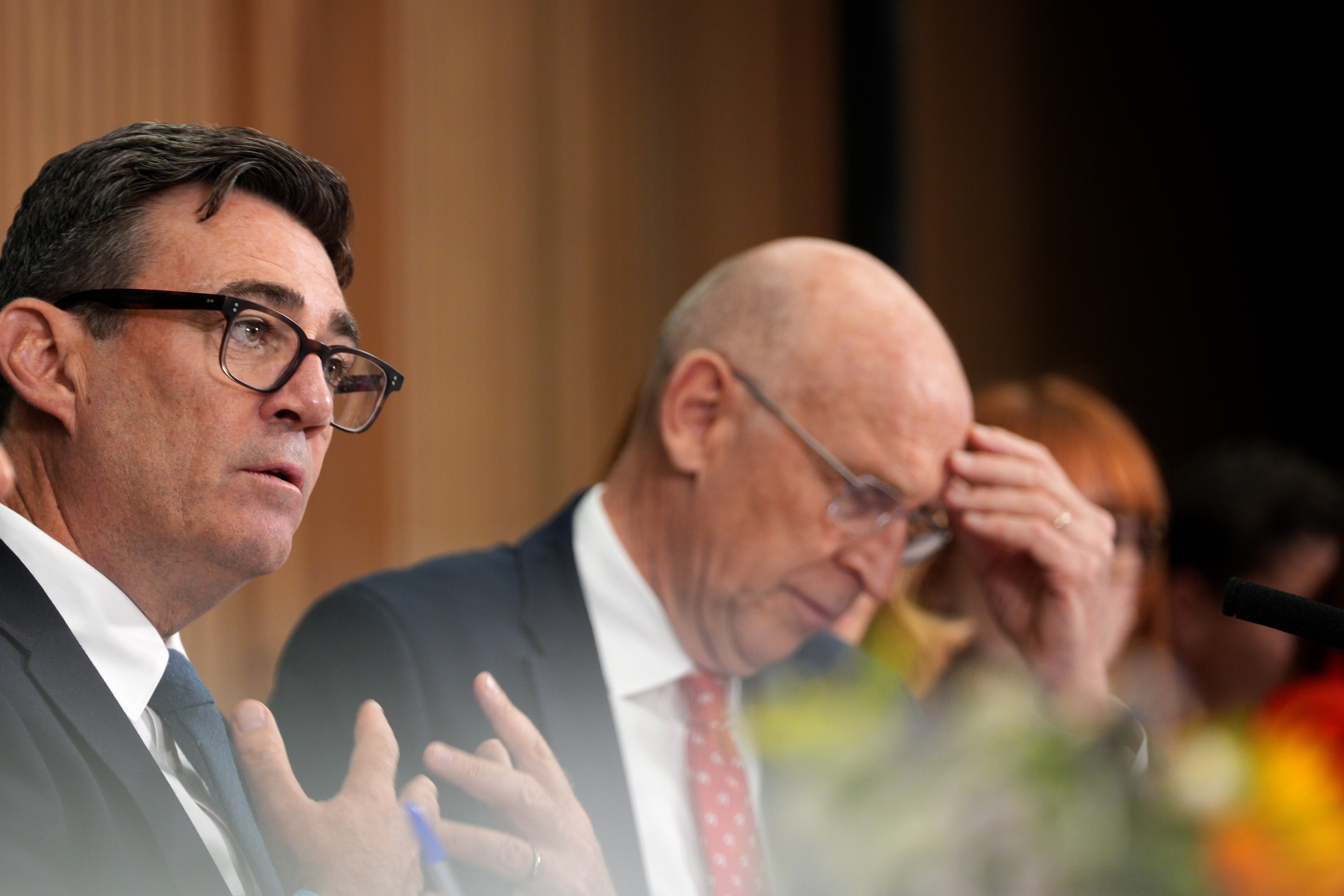
Rhun ap Iorwerth welcomes UK sanctions on West Bank settlements
Welsh First Minister Rhun ap Iorwerth has endorsed the UK government's new sanctions targeting illegal Israeli settlements in the West Bank.

Welsh First Minister Backs UK Action on West Bank Settlements
First Minister Rhun ap Iorwerth has offered a strong endorsement of the UK government's newly announced sanctions targeting illegal Israeli settlements in the occupied West Bank. According to reporting by the BBC, the Welsh leader welcomed the measures while asserting that Westminster had previously moved far too slowly in addressing the actions of the Israeli government. The diplomatic shift follows accusations from British ministers that Israel has turned a blind eye to the "ethnic cleansing" of Palestinians by settlers.
Foreign Secretary Ed Miliband told Parliament that the sanctions mark the beginning of a robust new approach that moves beyond rhetoric to direct action. The measures will ban settlement goods and penalize companies and individuals providing services for settlement expansion. Miliband pointed to the International Court of Justice advisory opinion, arguing that the UK's economic relationship must reflect the unlawful nature of the ongoing occupation and annexation agenda. The UK launched the sanctions alongside France and Canada, issuing a joint statement declaring that the action marks a further turning point in approaching the protection of the two-state solution.
Media additions


The policy has ignited immediate international turbulence. As detailed by the South Wales Guardian, Israeli President Isaac Herzog condemned the move as a gross interference in democratic sovereignty, while Foreign Minister Gideon Saar warned of direct counter-measures, including closing the UK's consulate in East Jerusalem and accusing Miliband of spreading an outrageous lie. Further friction emerged from Israeli hard-line figures, with public security minister Itamar Ben-Gvir calling on Prime Minister Benjamin Netanyahu to recognize the Falkland Islands as Argentine territory and impose sanctions on Great Britain, while finance minister Bezalel Smotrich called for the expulsion of the British ambassador. Meanwhile, US Ambassador to Israel Mike Huckabee criticized the policy as discriminatory and irrational during an interview with the BBC. Domestic political figures also remain sharply divided, with shadow ministers claiming the strategy is performative, difficult to implement, and warning of risks to vital intelligence co-operation.
| Official / Body | Stance on UK Sanctions | Proposed Response / Action |
|---|---|---|
| Rhun ap Iorwerth | Welcomed | Pressed for continued international pressure on Israel |
| Ed Miliband | Initiated | Rolling out a comprehensive sanctions regime over coming months |
| Gideon Saar | Condemned | Announced counter-measures including consulate closure |
| Isaac Herzog | Condemned | Warned of a grave miscalculation against a sovereign nation |
The debate has similarly resonated across British civil society. While mainstream bodies such as the Board of Deputies of British Jews and Chief Rabbi Ephraim Mirvis expressed deep dismay—warning that the steps could heighten risks for the UK Jewish community and diminish safety—other groups have taken a contrasting view. As reported by Middle East Eye, progressive organizations including Holocaust Survivors and Descendants against Gaza Genocide, Jewish Voice for Liberation, and Jews for Justice for Palestinians wrote to Prime Minister Andy Burnham to back stronger measures against the Israeli government and oppose attempts to restrict Palestine marches.
The comprehensive sanctions regime is slated to take full effect over the next six to nine months, running concurrently with national measures and European trade restrictions supported by an international coalition of twelve nations, including Denmark, Spain, Finland, Ireland, Iceland, Norway, Poland, Portugal, and Sweden.