Ukraine resumes attacks on Russian oil refineries in defiance of Trump ban
President Volodymyr Zelensky ended Ukraine's pause on targeting Russian energy infrastructure, citing ongoing attacks and a US diesel deal.
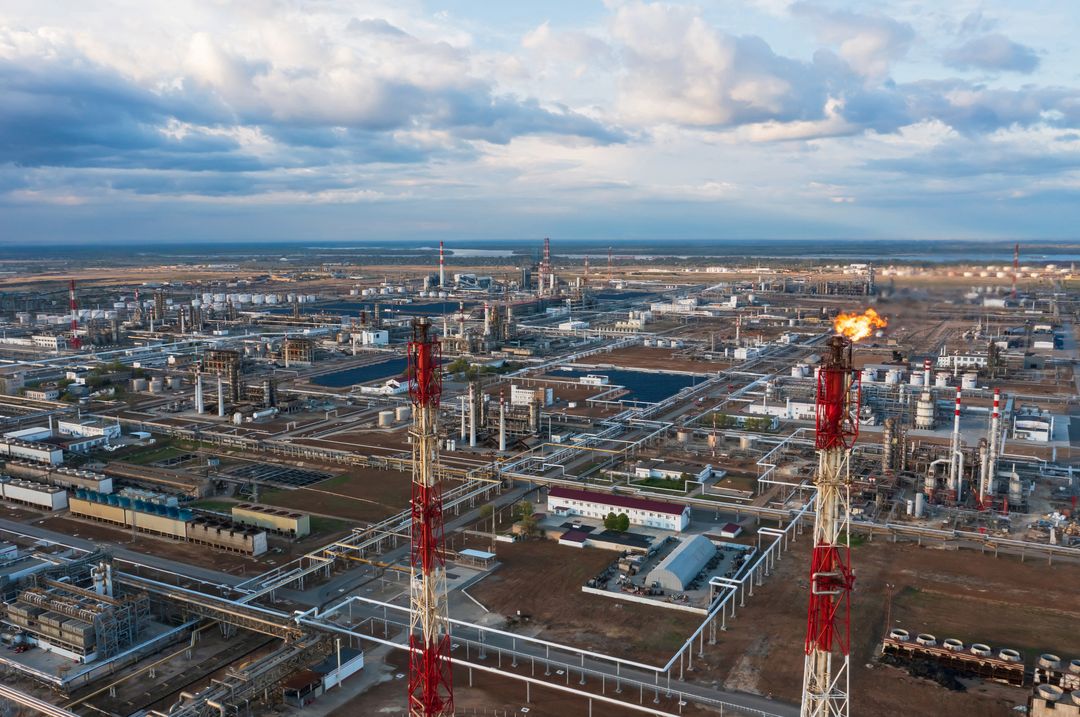
- Core Development: President Volodymyr Zelensky ended Ukraine's pause on targeting Russian energy infrastructure, citing ongoing attacks and a US diesel deal.
- Beat Context: Categorized under World with independent corroboration.
- Reporting Depth: 4 minute analytical read synthesized from verified newsroom sources.
Ukraine has officially abandoned its informal pause on targeting energy infrastructure inside Russia, signaling a major breakdown in diplomatic alignment between Kyiv and Washington. Ukrainian President Volodymyr Zelensky declared that his country was done with the temporary restraint after accusing the White House of brokering deals with Moscow while failing to stop attacks on Ukrainian power grids.
The sudden reversal follows a period of intense pressure from US President Donald Trump, who announced an energy ceasefire in September following concerns over rising fuel prices. According to reporting from TRT World, Ukrainian units conducting long-range strikes were instructed in mid-October to halt refinery attacks once ongoing operations were completed. Defence Minister Evgeniy Khmara had advised Zelenskyy that a temporary suspension would be prudent amid sensitive diplomatic negotiations. Zelenskyy agreed to the pause but maintained that his forces retained the right to resume operations if necessary.
Media additions
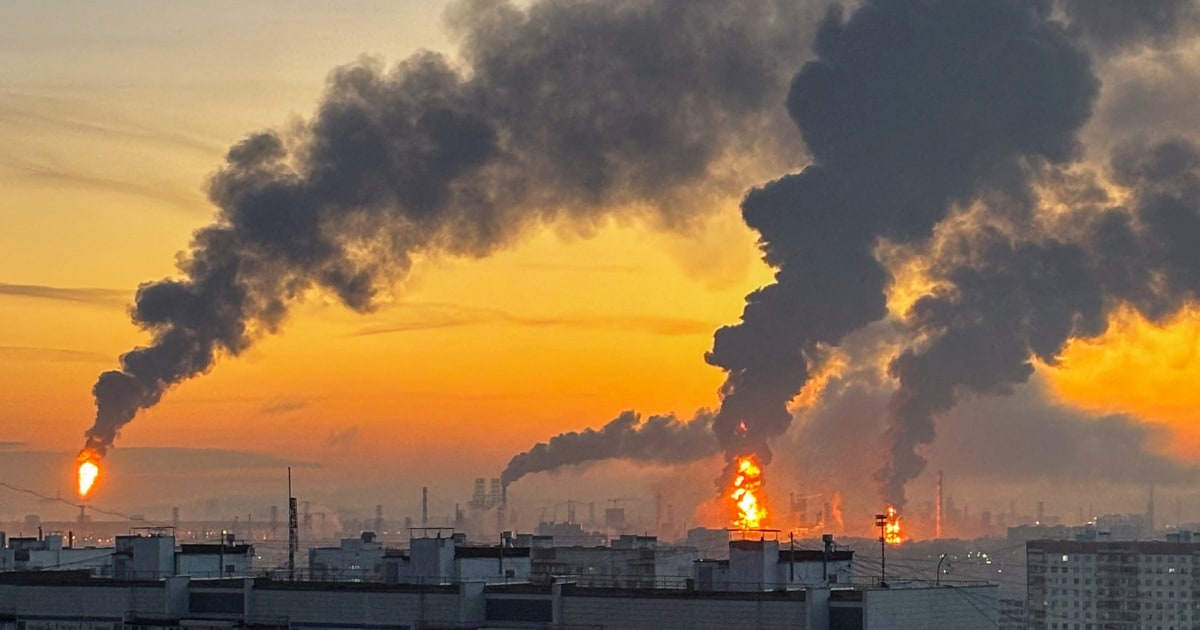


That informal arrangement collapsed swiftly. Zelenskyy stated during a visit to London that Ukraine complied with the ceasefire for three days while Russian forces continued to bombard Ukrainian energy facilities. Moments after the announcement, local officials confirmed that a Ukrainian drone strike had hit a state oil company facility in Russia's Ryazan region, sparking a fire. As noted by NBC News, neither Moscow nor Kyiv reported immediate additional refinery strikes the following day.
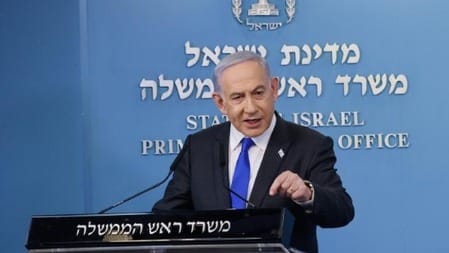
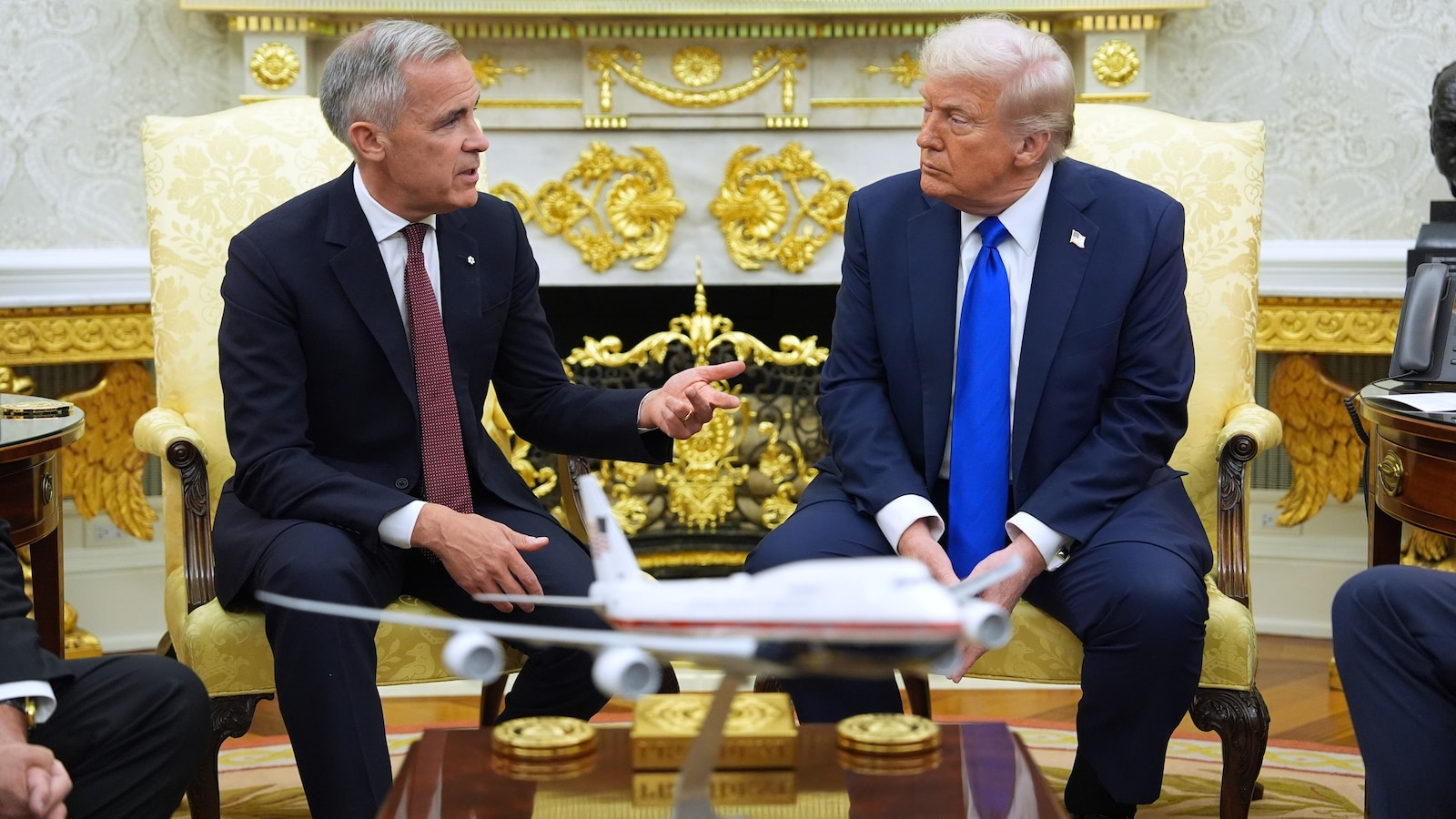
The diplomatic rift deepened significantly after the Trump administration announced an agreement to purchase diesel from Russia, a move designed to alleviate domestic energy shortages. Zelenskyy publicly denounced the agreement as a birthday present for Russian President Vladimir Putin. Trump fired back in an interview, arguing that Ukraine's continued targeting of refineries only serves to inflate global oil prices.
Trump also asserted that he finds Zelenskyy more difficult to deal with than Putin."If you tell me that Zelenskyy is again shooting at refineries, all he’s doing is making the world oil price higher. I think that’s a disgrace. There’s plenty of other targets; they don’t have to hit"
Donald Trump, US President, via NBC News
Compounding Kyiv's frustration were sudden technical disruptions to the Starlink satellite network and its military offshoot, Starshield. Ukrainian officials reported that throttling speeds severely hampered interceptor drone operations and logistical coordination during massive aerial assaults. SpaceX CEO Elon Musk attributed such decisions to the Pentagon and the White House, though a senior US official denied that the president had requested any service restriction. Zelenskyy noted that while speeds were gradually returning, the disruption had resulted in unnecessary human losses.
The broader economic context involves intricate energy dependencies across the Atlantic alliance. According to Radio Free Europe/Radio Liberty, only three NATO members—Turkey, Hungary, and Slovakia—continue to import Russian crude oil. While the European Union aims to phase out Russian energy imports under internal market rules, analysts point out that achieving total decoupling requires significant political will and infrastructure adjustments, such as utilizing the Adria pipeline via Croatia.
| Country / Entity | Stance on Russian Energy / Sanctions | Key Developments |
|---|---|---|
| Turkey | Major importer of discounted Russian crude | Refines and exports fuel products to Europe; relies heavily on Russian supplies. |
| Hungary & Slovakia | Continue importing via Druzhba pipeline | Cite supply vulnerabilities while the EU pushes for complete phase-out by 2027. |
| United States | Announced diesel import deal with Moscow | Aims to lower domestic pump prices ahead of midterms, drawing fierce condemnation from Kyiv. |
Amid the escalating tensions, Zelenskyy traveled to Brussels to shore up support from European allies, whom he praised as real leaders during a crucial summit. European discussions focused heavily on securing financial and military aid for Ukraine's upcoming winter, alongside broader strategies for energy independence.
Looking ahead, diplomatic efforts remain strained as Washington pushes for a negotiated settlement. Analysts suggest that the trajectory of the conflict will depend heavily on whether international pressure can compel Moscow to alter its hard-line terms, and how effectively European partners can bridge the widening gap between Kyiv and the White House.
How significant is this development?
Contribute your assessment to the aggregated reader sentiment ledger.
Frequently Asked Questions
Key questions answered in this reportWhat is the key development in: Ukraine resumes attacks on Russian oil refineries in defiance of Trump ban?
President Volodymyr Zelensky ended Ukraine's pause on targeting Russian energy infrastructure, citing ongoing attacks and a US diesel deal.
Why is this World development significant for the UK?
This report covers critical events in our World beat. Independent reporting monitors related UK statements, regulatory shifts, and public responses as further verified details emerge.
How was this reporting corroborated and verified?
Newsarchy UK compiles and cross-references reporting from primary reporting from NBC News and cross-checked wire reports. All coverage adheres to published editorial standards.
When was this report published?
This briefing was published on October 30, 2026 and is permanently cataloged in the Newsarchy UK World archives.