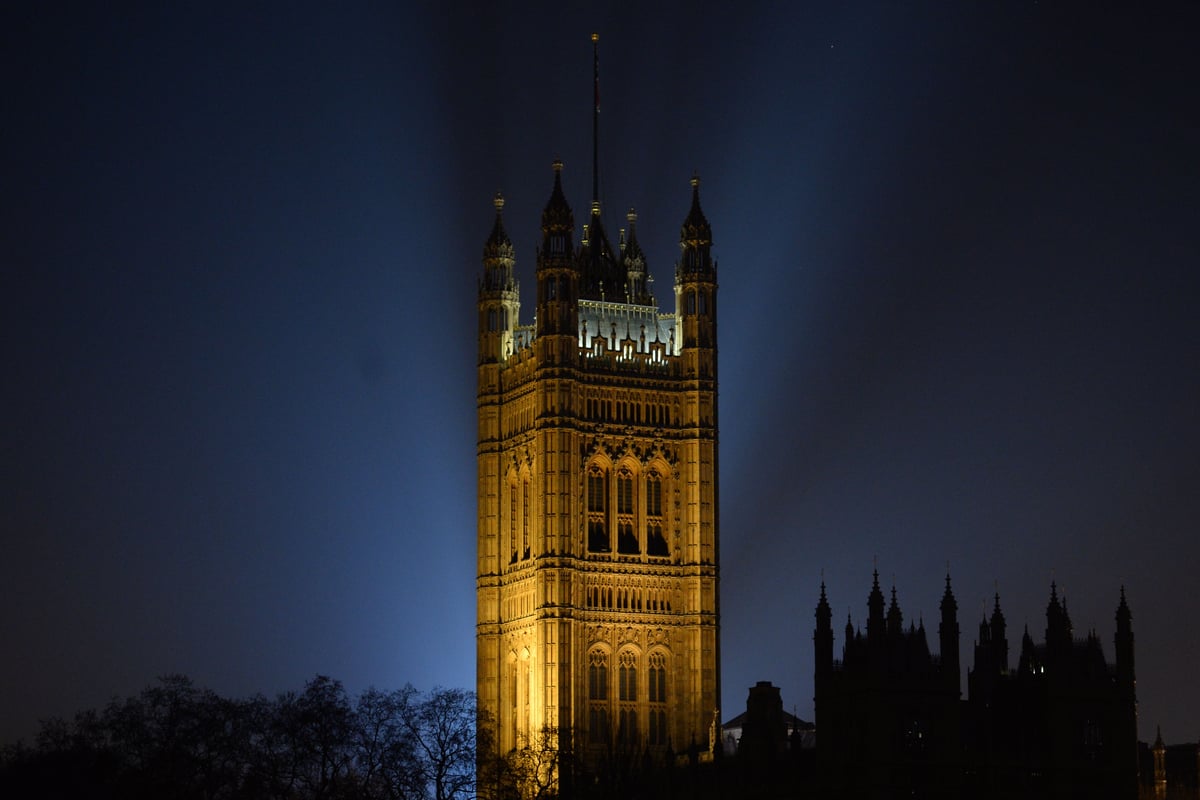
UK and EU propose post-Brexit SPS agreement to scrap food checks
The UK and the European Union have drafted a sanitary and phytosanitary agreement designed to eliminate post-Brexit food export checks and border fees.
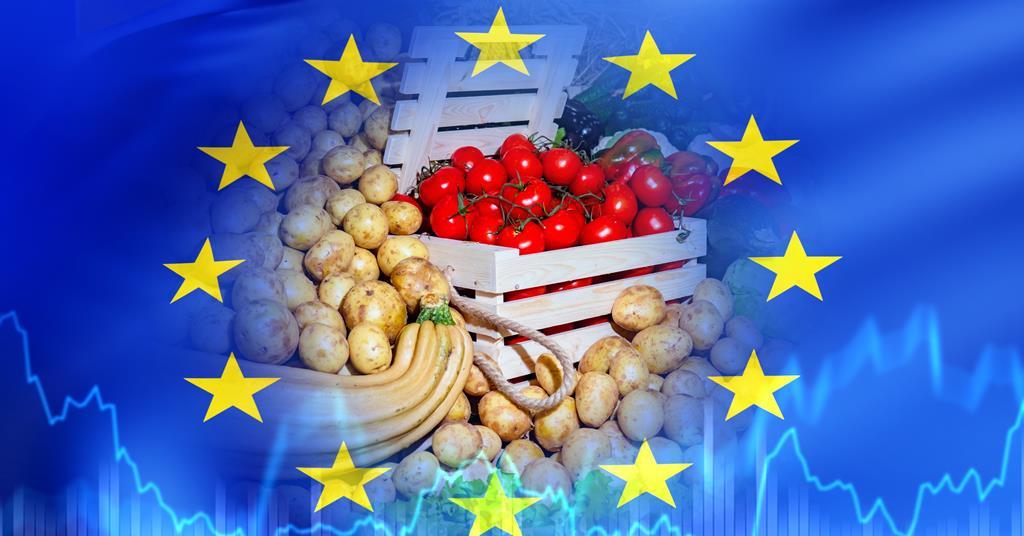
- Core Development: The UK and the European Union have drafted a sanitary and phytosanitary agreement designed to eliminate post-Brexit food export checks and border fees.
- Beat Context: Categorized under Politics with independent corroboration.
- Reporting Depth: 4 minute analytical read synthesized from verified newsroom sources.
The UK and the European Union have agreed on a draft sanitary and phytosanitary agreement aimed at removing post-Brexit checks on food and agricultural exports, according to BBC reporting. The 200-page draft text marks the most significant development yet in the diplomatic reset pursued under Prime Minister Andy Burnham, following a change in government leadership in July that pushed back the timeline of discussions. Negotiated to dismantle administrative burdens that accumulated after Britain left the EU single market, the proposed pact has been circulated to EU member states in Brussels ahead of a scheduled meeting of EU ambassadors and a leadership summit in November.
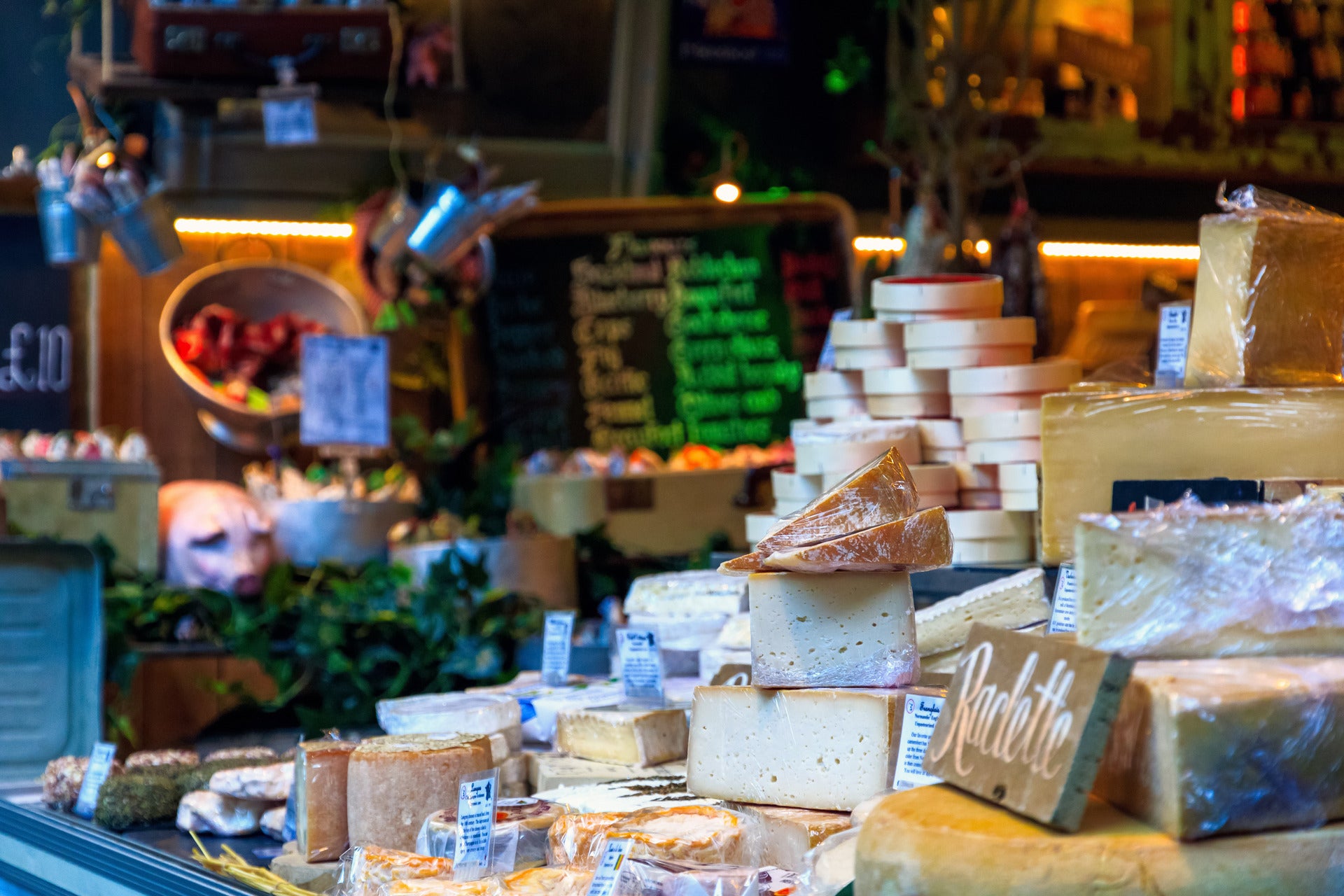
The proposed agreement is designed to eliminate the costly certification requirements and border checks that have weighed on food producers and small businesses since January 2021, according to Startups. Exporters currently face fees including £200 Export Health Certificates, £25 phytosanitary certificates, organic certificates, inspection fees, and port charges, which fall disproportionately on smaller consignments. Jon Walsh, chief executive and co-founder of yogurt maker Bio&Me, told the BBC that veterinary inspection costs of £140 per pallet forced his small firm to halt yogurt exports entirely. Similar friction was reported by cheesemaker Simon Spurrell, who saw retail sales drop after encountering expensive certificate requirements, and by north London deli Panzer's, which lost dozens of European suppliers, as noted by Startups. Under the new draft text, these barriers would be lifted, enabling the resumption of restricted shipments such as fresh sausages, burgers, shellfish from UK waters, and seed potatoes, alongside the return of pet passports for travel across the Channel.
Media additions

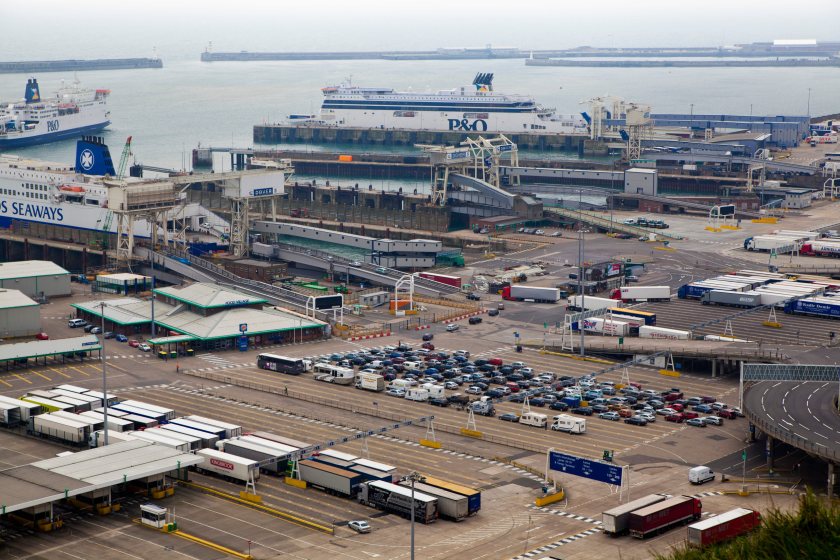
The deal also addresses complications at the Irish Sea border, where goods moving from Great Britain to Northern Ireland have faced extra paperwork because Northern Ireland continues to follow relevant EU single market rules. The agreement is expected to remove these requirements and lift the mandate requiring Northern Irish retailers to label goods with "not for the EU", a practice that large retailers like Marks & Spencer have previously criticized, according to Startups. Alongside the food provisions, draft packages covering emissions trading, a youth travel scheme, defence cooperation, and access to law enforcement databases have also been circulated in Brussels.
To secure the removal of border checks, the UK has agreed to a process known as dynamic alignment, committing to observe and adapt to existing and future EU regulations concerning plant, animal, and food trade standards. While domestic regulations remain largely synchronized, minor divergences have emerged in areas such as precision breeding for plants—formerly known as gene editing—with transition arrangements currently being discussed. The government has already introduced a European Partnerships Bill to establish the legal framework connecting the UK emissions trading scheme with the EU's system, which protects British exporters from paying the bloc's carbon border tax.
Government projections claim the agreement will eventually generate £5.1 billion in annual economic benefits, adding up to 0.4% to gross domestic product, according to BBC reporting.
| Document / Measure | Previous Requirement | Proposed Change |
|---|---|---|
| Export Health Certificates | Up to £200 per consignment | Removed for vast majority of movements |
| Phytosanitary Certificates | £25 per plant shipment | Eliminated under SPS agreement |
| Northern Ireland Labelling | "Not for the EU" labels mandatory | Requirement to be dropped |
The proposals have drawn mixed political reactions. Speaking at Prime Minister's Questions, Prime Minister Andy Burnham defended the diplomatic approach, stating that the administration wants to secure a better deal for growth and that public opinion has shifted since the 2016 referendum, as reported by Lbc. However, Conservative Party leader Kemi Badenoch criticized the arrangement, arguing that dynamic alignment would turn Britain into a rule taker and act as a regression for national competitiveness, according to BBC reporting. Reform UK's business spokesman Richard Tice warned that regulatory alignment would surrender trade policy sovereignty, while Liberal Democrat Europe spokesperson Al Pinkerton dismissed the draft text as a patch rather than a comprehensive fix, arguing that rejoining the single market and customs union is the true solution.
Agricultural bodies have also urged caution. While the National Farmers' Union welcomed efforts to smooth trade with the UK's largest trading partner, NFU Scotland raised concerns regarding potential impacts on plant protection products, animal health requirements, and farming practices, emphasizing the need for adequate transition periods and safeguards.
The draft agreement remains subject to formal approval processes. EU ambassadors are meeting to review the text ahead of a UK-EU summit in Brussels, where leaders are expected to discuss the proposals further. Defra and industry leaders have indicated that full implementation of the changes is not anticipated until early 2028 due to technical requirements and the complex nature of regulatory alignment, meaning businesses must continue operating under current certification rules in the interim.
How significant is this development?
Contribute your assessment to the aggregated reader sentiment ledger.
Frequently Asked Questions
Key questions answered in this reportWhat is the key development in: UK and EU propose post-Brexit SPS agreement to scrap food checks?
The UK and the European Union have drafted a sanitary and phytosanitary agreement designed to eliminate post-Brexit food export checks and border fees.
Why is this Politics development significant for the UK?
This report covers critical events in our Politics beat. Independent reporting monitors related UK statements, regulatory shifts, and public responses as further verified details emerge.
How was this reporting corroborated and verified?
Newsarchy UK compiles and cross-references reporting from primary reporting from BBC and cross-checked wire reports. All coverage adheres to published editorial standards.
When was this report published?
This briefing was published on November 5, 2026 and is permanently cataloged in the Newsarchy UK Politics archives.