POLL: Should asylum seekers pay £10,000 towards accommodation?
The UK government is introducing the Immigration and Asylum Bill, which includes a requirement for some asylum seekers to repay state-funded support costs. The proposal has drawn scrutiny regarding its economic effectiveness and potential impact on integration.

- Core Development: The UK government is introducing the Immigration and Asylum Bill, which includes a requirement for some asylum seekers to repay state-funded support costs. The proposal has drawn scrutiny regarding its economic effectiveness and potential impact on integration.
- Beat Context: Categorized under Politics with independent corroboration.
- Reporting Depth: 3 minute analytical read synthesized from verified newsroom sources.
Individuals granted asylum in the UK may soon be required to repay approximately £10,000 toward the cost of state-funded accommodation and subsistence. This proposal is a key feature of the Immigration and Asylum Bill, which is scheduled to be introduced to Parliament on Tuesday. The measure seeks to recover public funds from adults who have sufficient financial resources, with the government describing the repayment as a mechanism to balance the financial burden on taxpayers.
According to the Home Office, the annual cost of asylum support and housing reached £4 billion. Current departmental data indicates that maintaining an asylum seeker in a hotel costs an average of £144 per night, while dispersal accommodation costs £23.25 per night. Weekly subsistence allowances range from £9.95 to £49.18.
Media additions

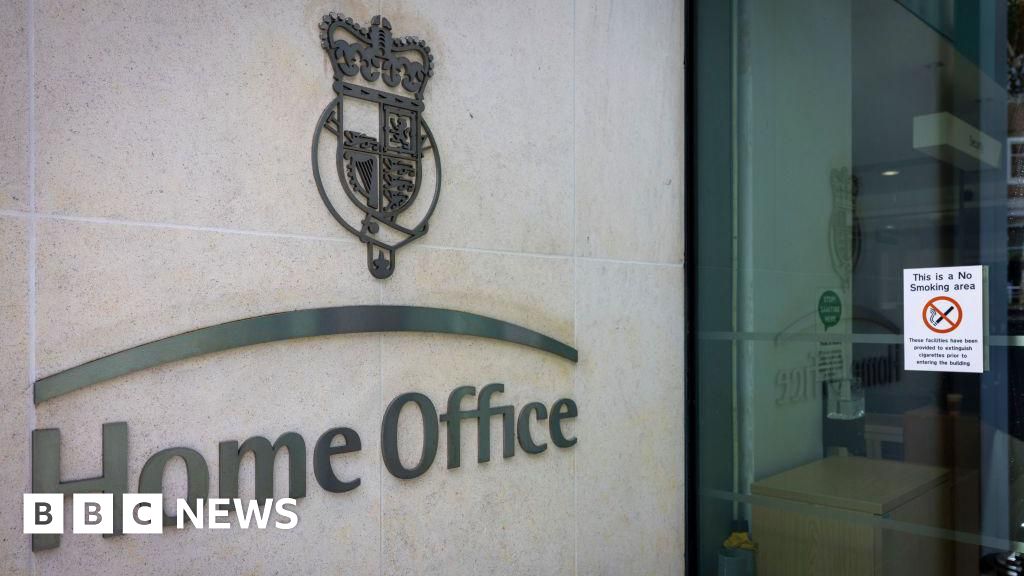

Home Secretary Shabana Mahmood has defended the policy, arguing that while access to asylum support is a right, it carries inherent responsibilities.
"Once people can contribute and repay the generosity of the British people, we expect them to do so."
Operational Framework and Compliance
The scheme is structured as a means-tested, flat-rate charge. Officials have compared the repayment process to the student loan system, with plans to collect installments through wage deductions or via existing tax and benefit systems. The Home Secretary will hold the power to adjust both the total charge and the repayment thresholds to ensure the system remains fair to taxpayers while avoiding the risk of destitution for migrants.
Settlement or Indefinite Leave to Remain will be contingent upon the full repayment of the required sum. Furthermore, any individual who leaves the UK will be obligated to complete their payments if they wish to secure permission to re-enter the country at a later date. The policy will apply prospectively to those receiving support after the legislation takes effect, and children will be exempt from the requirements.
Economic and Expert Scrutiny
The potential effectiveness of the scheme has been questioned by researchers. Dr. Madeleine Sumption, director of the Migration Observatory at the University of Oxford, noted that the financial returns for the public purse may be limited. Pointing to data on refugee employment, she observed that 13% of people granted refugee status five years earlier were earning at least £20,000 in 2023. She stated: The data suggests that unless thresholds were significantly below the minimum wage, a relatively small share of people granted asylum would earn enough to make contributions to the scheme.
Charitable organizations have voiced opposition to the proposal. The Refugee Council has characterized the measure as an extra tax that may hinder families attempting to integrate and rebuild their lives. Imran Hussain, director of external affairs at the Refugee Council, noted that many asylum seekers arrive with no assets, and the financial burden could discourage them from entering the workforce.
Wider Legislative Context
The Immigration and Asylum Bill contains broader reforms intended to increase the rate of removals for failed asylum applicants and establish a new immigration appeals authority. The bill also introduces changes to how modern slavery and human rights laws are applied, specifically targeting what the government describes as vexatious claims, including directives on the application of Article 8 of the European Convention on Human Rights.
The announcement has prompted political friction. Shadow Home Secretary Chris Philp stated that the government had adopted a policy that was initially proposed by the Conservative Party, noting that a similar amendment was previously blocked by Labour while in opposition.
Government efforts to reduce expenditure have already included the closure of hotels since April, with individuals being moved to alternative housing, such as former military sites.
How significant is this development?
Contribute your assessment to the aggregated reader sentiment ledger.
Frequently Asked Questions
Key questions answered in this reportWhat is the key development in: POLL: Should asylum seekers pay £10,000 towards accommodation??
The UK government is introducing the Immigration and Asylum Bill, which includes a requirement for some asylum seekers to repay state-funded support costs. The proposal has drawn scrutiny regarding its economic effectiveness and potential impact on integration.
Why is this Politics development significant for the UK?
This report covers critical events in our Politics beat. Independent reporting monitors related UK statements, regulatory shifts, and public responses as further verified details emerge.
How was this reporting corroborated and verified?
Newsarchy UK compiles and cross-references reporting from primary reporting from bbc.com and cross-checked wire reports. All coverage adheres to published editorial standards.
When was this report published?
This briefing was published on July 6, 2026 and is permanently cataloged in the Newsarchy UK Politics archives.