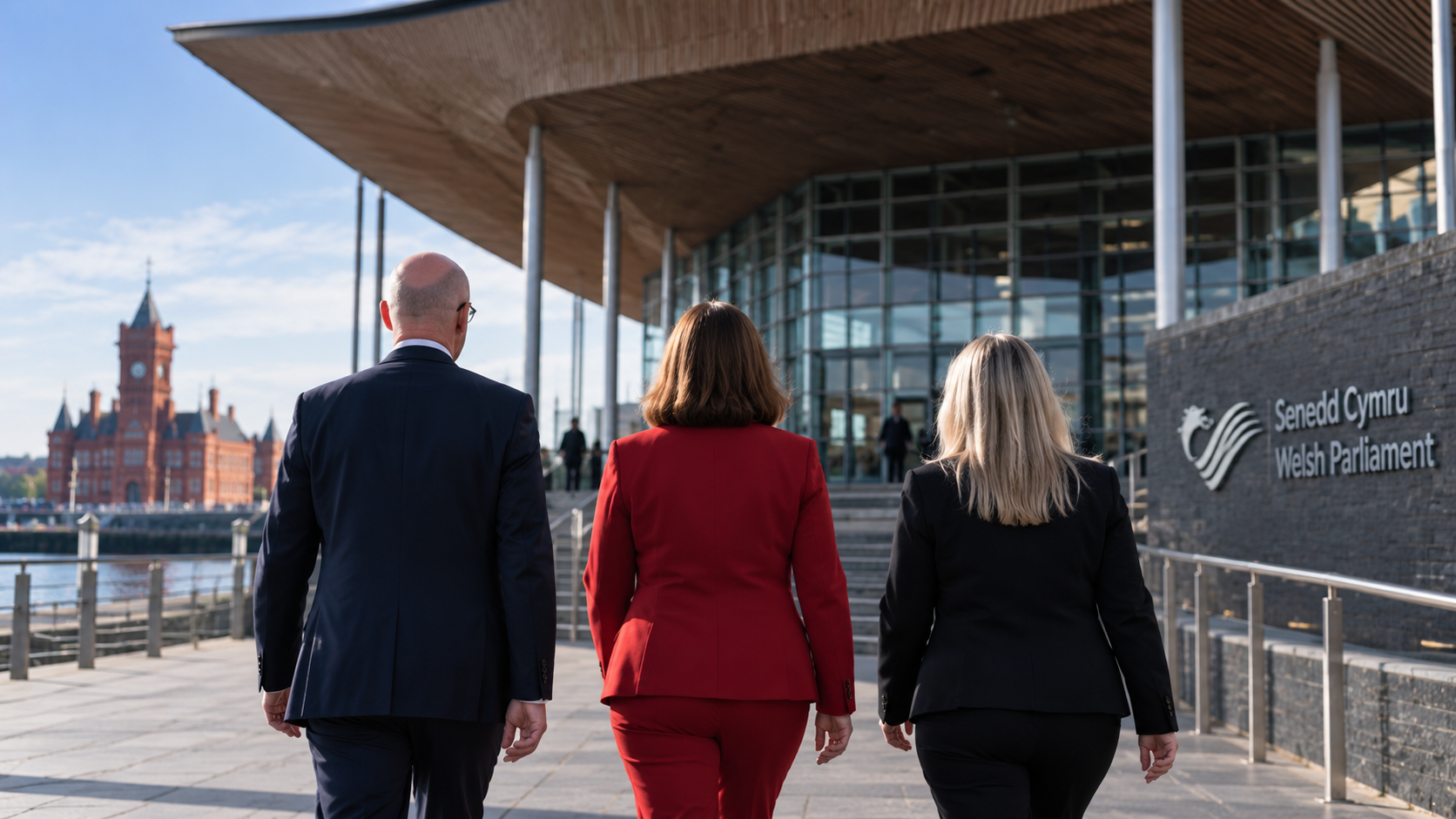
Wales, Scotland and Northern Ireland leaders sign joint call for Westminster change
Nationalist leaders from Wales, Scotland, and Northern Ireland have united in Cardiff to demand sweeping constitutional reform and preparation for self-determination from Westminster.
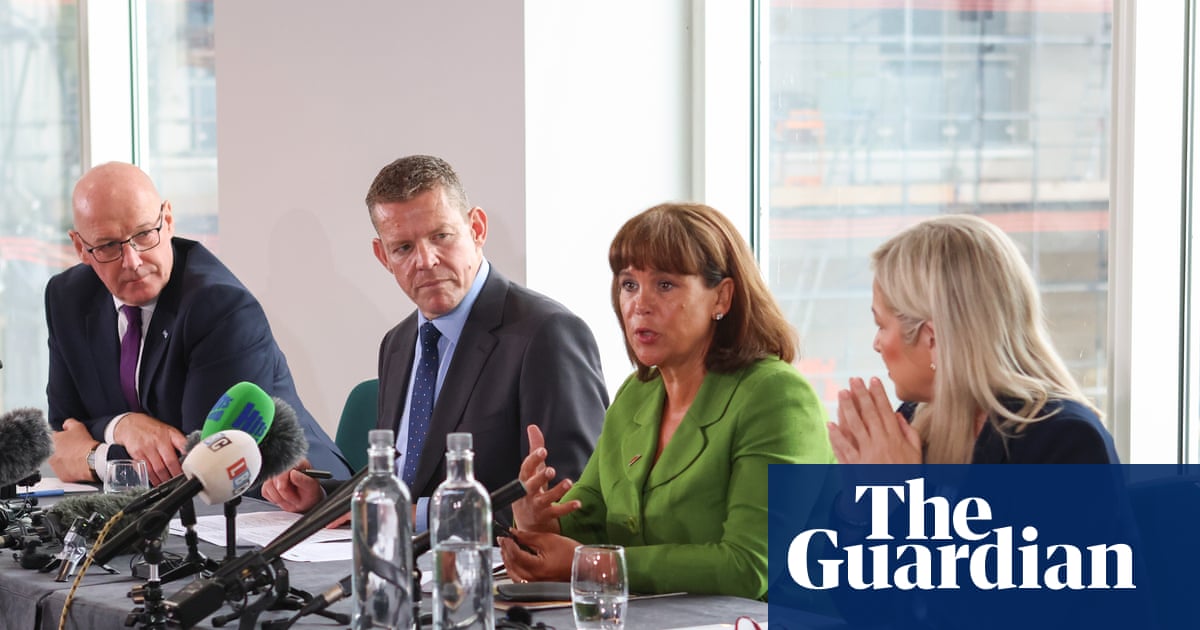
The political architecture of the United Kingdom faced a profound challenge on Tuesday, 15 September 2026, as the nationalist leaders of Wales, Scotland, and Northern Ireland formally united to demand sweeping constitutional reform from Westminster. In a coordinated move originating from a high-profile summit in Cardiff, the heads of government declared that the current British political status quo is untenable and urged central authorities to prepare for self-determination. The historic gathering brought together Plaid Cymru leader and Welsh First Minister Rhun ap Iorwerth, Scottish National Party leader and Scottish First Minister John Swinney, and Northern Ireland First Minister Michelle O'Neill, alongside Sinn Féin president and Irish opposition leader Mary Lou McDonald. According to reporting detailed in The Guardian's Tuesday briefing, the event marks the first time in history that centre-left nationalist parties aspiring to leave the UK have held executive power concurrently across all three devolved nations.
The core of the alliance is anchored by a formal memorandum of understanding, the text of which was published by Wales Online. The document outlines a shared vision among the parties that Westminster's overarching control is failing to serve local populations. As noted in the agreement, constitutional change is coming
and central authorities must prepare, plan and facilitate constitutional change in Wales, Scotland and Northern Ireland
. The signatories emphasized that each jurisdiction possesses distinct histories and political traditions, yet remains united in the principle that local populations must dictate their own constitutional destinies without central obstruction.
Media additions

The summit reflects a dramatic shift in British politics since the electoral breakthroughs earlier in the year. The nationalist leaders utilized the platform to argue that the political landscape across the islands has fundamentally transformed. While the three leaders share a common destination of independence, their domestic pressures and immediate timelines vary significantly. During the morning press conference in Cardiff, John Swinney and Michelle O'Neill called for immediate referendums in Scotland and Northern Ireland, whereas Rhun ap Iorwerth explicitly declined to establish a strict timetable for a Welsh independence vote during his current term.
The divergent approaches and underlying political realities of the three nations highlight the complex matrix facing central authorities. Below is an overview of the key leaders, their respective parties, and their stated positions regarding constitutional timelines and regional priorities as reported across the coverage:
| Leader | Nation / Party | Stance on Referendum Timeline | Key Regional Focus Areas |
|---|---|---|---|
| Rhun ap Iorwerth | Wales (Plaid Cymru) | No immediate referendum planned for this term; focused on nation-building. | Child poverty reduction (Cynnal payment), economic growth, and opposing right-wing populism. |
| John Swinney | Scotland (SNP) | Calling for an immediate referendum; seeking agreed mechanisms with London. | Economy, cost of living, public sector finance gaps, and public service delivery. |
| Michelle O'Neill | Northern Ireland (Sinn Féin) | Calling for a border poll; anticipating next year's Stormont assembly elections. | Fixing dysfunctional devolved institutions and addressing crumbling public infrastructure. |
The coordinated push comes at a delicate time for the UK government under Prime Minister Keir Starmer, whose defining project has been devolution. Prime Minister Andy Burnham has faced intense scrutiny and philosophical contradictions regarding his administration's stance on regional governance. Recent interventions, including remarks on border polls and the rejection of Scottish work visa proposals, have exacerbated tensions between central ministers and the devolved administrations. Nationalist leaders argue that Westminster's resistance to their demands ignores the reality of a generation that has grown up with established institutions like Holyrood and the Senedd.
Furthermore, the memorandum explicitly addresses international alignment, asserting that the future of the participating nations belongs within the European Union. The signatories stated an ambition to rebuild and strengthen European relationships to foster greater cooperation in trade, investment, and culture following the disruptions of Brexit. This European focus runs counter to the current Westminster trajectory, adding another layer of friction to future negotiations.
What happens next depends heavily on upcoming electoral cycles and the internal stability of the devolved administrations. Sinn Féin faces crucial tests in the next year's Stormont assembly elections, while the SNP and Plaid Cymru navigate legislative pressures and rising opposition from right-wing populist parties such as Reform UK in their respective parliaments. Meanwhile, observers will be watching to see how Westminster responds to the formal call for constitutional preparation, with regional leaders vowing to press ahead with mutual cooperation and shared policy initiatives inspired by cross-border successes such as Scotland's child payment schemes.