Argentinian university workers launch strike over wages and funding law
National university workers and educators in Argentina have walked off the job to demand higher wages and adherence to a university finance law.
- Core Development: National university workers and educators in Argentina have walked off the job to demand higher wages and adherence to a university finance law.
- Beat Context: Categorized under Transport with independent corroboration.
- Reporting Depth: 3 minute analytical read synthesized from verified newsroom sources.
Workers and educators belonging to Argentina’s national university system initiated a multi-day industrial action, walking off the job to demand higher wages and adherence to federal legislation, according to reporting from the World Socialist Web Site. The strike highlights escalating tensions over public sector financing and compensation amid broader regional labor unrest across the Americas.
At the center of the dispute are demands for a wage increase alongside enforcement of a university finance law approved by the national legislature. Protests and rallies have accompanied the stoppage in the capital and other urban centres. Despite a court order requiring the administration to carry out the funding legislation, the executive branch has remained silent.
Media additions


The university strike forms part of a wider wave of labor mobilization across the continent. In neighboring Chile, healthcare workers recently carried out their own stoppage to protest budget cuts under the administration, while students subsequently mobilized against education funding reductions. Meanwhile, construction workers in Peru demonstrated against labor reforms and attempts to rule by decree, demanding reduced workweeks and higher pay.
Labor disputes have similarly disrupted vital infrastructure elsewhere, echoing historic struggles over worker protections and fair compensation in sectors such as transport networks and utilities. Observers note that economic pressures and rising living costs continue to strain workforce relations internationally, prompting unions to leverage collective action to demand adherence to legal frameworks and adequate remuneration.
Regional Labor Actions
Comparative reporting across the region illustrates diverse grievances spanning education, healthcare, and infrastructure:
| Country | Sector | Core Action / Demand |
|---|---|---|
| Argentina | Higher Education | 72-hour strike for wage increases and enforcement of university finance law. |
| Chile | Healthcare & Education | Strikes and student protests against budget cuts and 2027 funding reductions. |
| Peru | Construction | Protests against labor reforms, decree rule, and demands for a 44-hour workweek. |
The wider international context of labor disruption includes parallel disputes in utility, transit, and municipal services across various jurisdictions. According to reports compiled by the World Socialist Web Site, workers at a Pittsburgh-based utility walked out in a dispute over staffing levels, safety protocols, and the introduction of technology aimed at reducing jobs. That action involved members of the International Brotherhood of Electrical Workers, who maintain infrastructure and repair power lines across multiple counties. Similarly, refinery workers in New Jersey voted overwhelmingly to authorize a strike ahead of a contract expiration, taking aim at management attempts to alter safety guidelines and absence control policies.
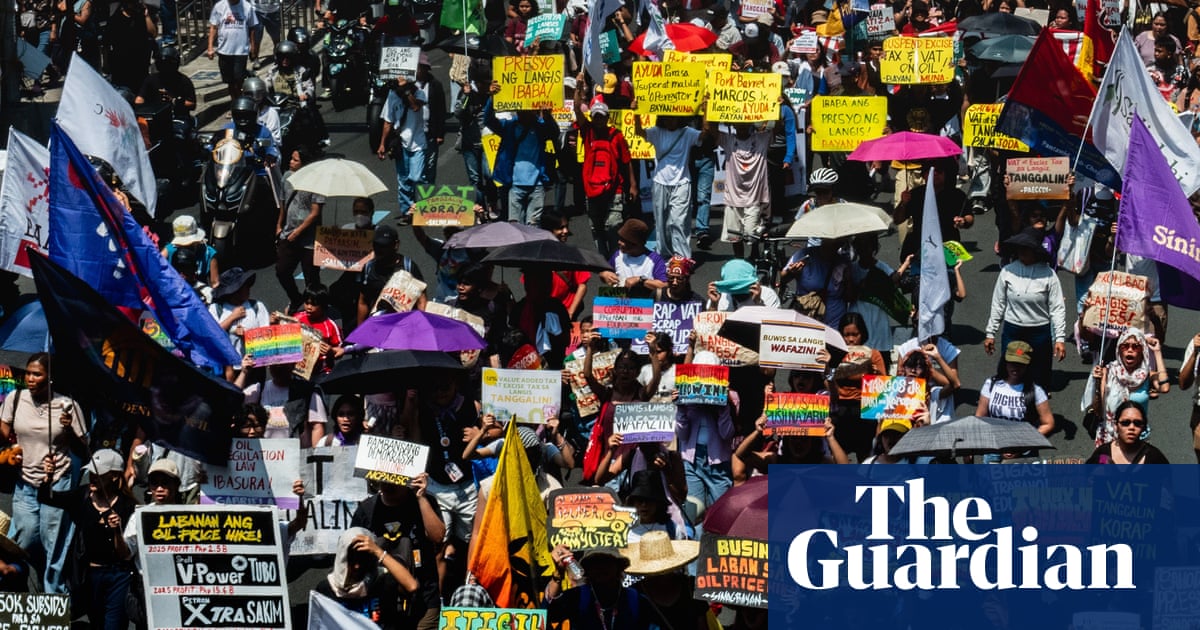
Municipal employees and transit operators have likewise engaged in protracted confrontations with employers over healthcare premiums, wage trajectories, and staffing shortages. In Oregon, municipal workers issued a strike notice following months of stalled negotiations over wages and increased medical and dental insurance costs. Meanwhile, transit workers in Manila faced severe economic strain driven by a surge in fuel prices, prompting widespread public demonstrations, transportation stoppages, and the establishment of community-led solidarity pantries to support affected drivers.
These mounting job actions reflect widespread worker resistance against austerity measures, privatization, and deteriorating workplace conditions. Labor organizations globally continue to push back against attempts by corporate management and government administrations to shift economic burdens onto employees through flexible staffing, reduced protections, and stagnant compensation frameworks.
As the standoff in Argentina’s higher education sector continues, attention turns to whether the executive branch will comply with judicial mandates regarding university financing. Further updates on transport and public sector negotiations will be monitored closely across industrial sectors.
How significant is this development?
Contribute your assessment to the aggregated reader sentiment ledger.
Frequently Asked Questions
Key questions answered in this reportWhat is the key development in: Argentinian university workers launch strike over wages and funding law?
National university workers and educators in Argentina have walked off the job to demand higher wages and adherence to a university finance law.
Why is this Transport development significant for the UK?
This report covers critical events in our Transport beat. Independent reporting monitors related UK statements, regulatory shifts, and public responses as further verified details emerge.
How was this reporting corroborated and verified?
Newsarchy UK compiles and cross-references reporting from primary reporting from University of California, Berkeley and cross-checked wire reports. All coverage adheres to published editorial standards.
When was this report published?
This briefing was published on October 9, 2026 and is permanently cataloged in the Newsarchy UK Transport archives.