Brazil president Lula wins fourth term as challenger Bolsonaro rejects results
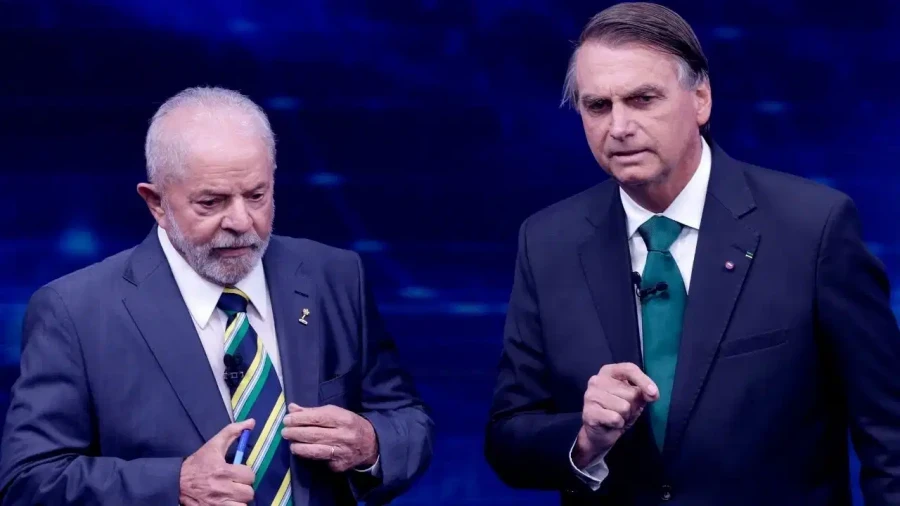
Incumbent Luiz Inácio Lula da Silva secured a historic fourth presidential term in Brazil, defeating conservative challenger Flávio Bolsonaro.
- Core Development: Incumbent Luiz Inácio Lula da Silva secured a historic fourth presidential term in Brazil, defeating conservative challenger Flávio Bolsonaro.
- Beat Context: Categorized under Transport with independent corroboration.
- Reporting Depth: 3 minute analytical read synthesized from verified newsroom sources.
Brazil’s political landscape shifted dramatically on Sunday, 25 October 2026, as incumbent president Luiz Inácio Lula da Silva secured an unprecedented fourth term in office. Overcoming a first-round deficit against conservative challenger Flávio Bolsonaro, the veteran leftist triumphed in a fiercely contested runoff that gripped the nation and drew intense international scrutiny. The outcome deals a notable counterweight to the surging conservative and pro-US political movements expanding across South America, while leaving Latin America’s largest economy under the continued leadership of its most dominant modern political figure, as reported by CBS News.
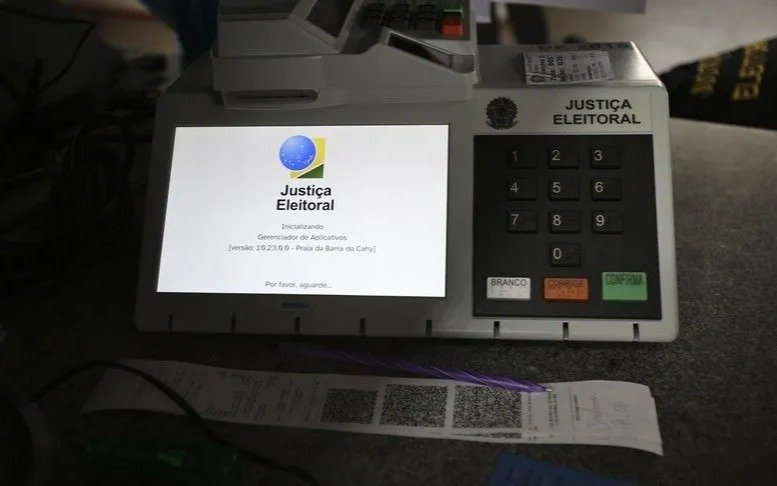
According to official data released by Brazil’s Superior Electoral Court, Lula captured 51.8% of the valid vote, finishing with an unassailable lead of nearly 4.4 million votes over Bolsonaro, who garnered 48.2%. The result represents a historic electoral first since the restoration of direct civilian democracy, marking the first time a candidate trailing in the initial October ballot successfully overturned the deficit in a runoff, as noted in coverage by The Guardian. Despite the confirmed tally, Bolsonaro immediately rejected the outcome and announced plans to seek an annulment of the vote, echoing the post-election disputes seen during his father's previous presidential defeat.
Media additions


The ballot itself was thrown into chaos during its final hours following a legal intervention by Supreme Court Justice Cristiano Zanin. Acting just three minutes before scheduled closing times, Justice Zanin ordered polling stations to remain open for an additional two hours. Lula's campaign had petitioned for the extension after dozens of public transit buses were reportedly blocked from leaving municipal garages in key urban centers like Salvador and São Paulo, hindering working-class voters. Conversely, Bolsonaro's camp had also requested extensions, citing torrential rain, flooding, and power outages in right-leaning southern municipalities, as detailed by BBC reports. Bolsonaro allies immediately criticized the ruling, pointing out that Justice Zanin previously served as Lula’s private legal counsel, raising the prospect of prolonged courtroom battles over the legitimacy of the vote.
| Candidate | First Round Vote (%) | Runoff Vote (%) | Total Margin / Outcome |
|---|---|---|---|
| Luiz Inácio Lula da Silva | 45% | 51.8% | Elected with ~4.4 million more votes |
| Flávio Bolsonaro | 47% | 48.2% | Rejected results, called for annulment |
The election outcome holds major geopolitical implications, serving as a vital test for Washington's regional influence. As reported by CNBC, Lula's victory resists the broader rightward political shift seen across Latin America throughout recent years, where pro-US conservative leaders have taken power in nations such as Argentina, Chile, Peru, and Colombia. Flávio Bolsonaro—the eldest son of former president Jair Bolsonaro, who is currently serving a lengthy prison sentence under house arrest for coup-plotting—had campaigned heavily on closer economic alignment with Washington and enhanced security cooperation. Lula, by contrast, framed his reelection around national sovereignty, openly clashing with the US administration over trade tariffs and foreign intervention.
Financial markets reacted sharply to the confirmation of Lula's return. Analysts cited by CNBC noted that investors anticipated heightened market volatility, with Brazilian exchange-traded funds experiencing steep drops in overnight trading. The incoming administration inherits an economy grappling with high public debt, which recently surpassed 82% of gross domestic product, alongside a newly elected, highly conservative Congress where Bolsonaro's Liberal Party holds substantial legislative leverage. Commentators from Fox News observed that this legislative makeup will likely constrain Lula's policy ambitions and force difficult compromises on public spending and fiscal reform.
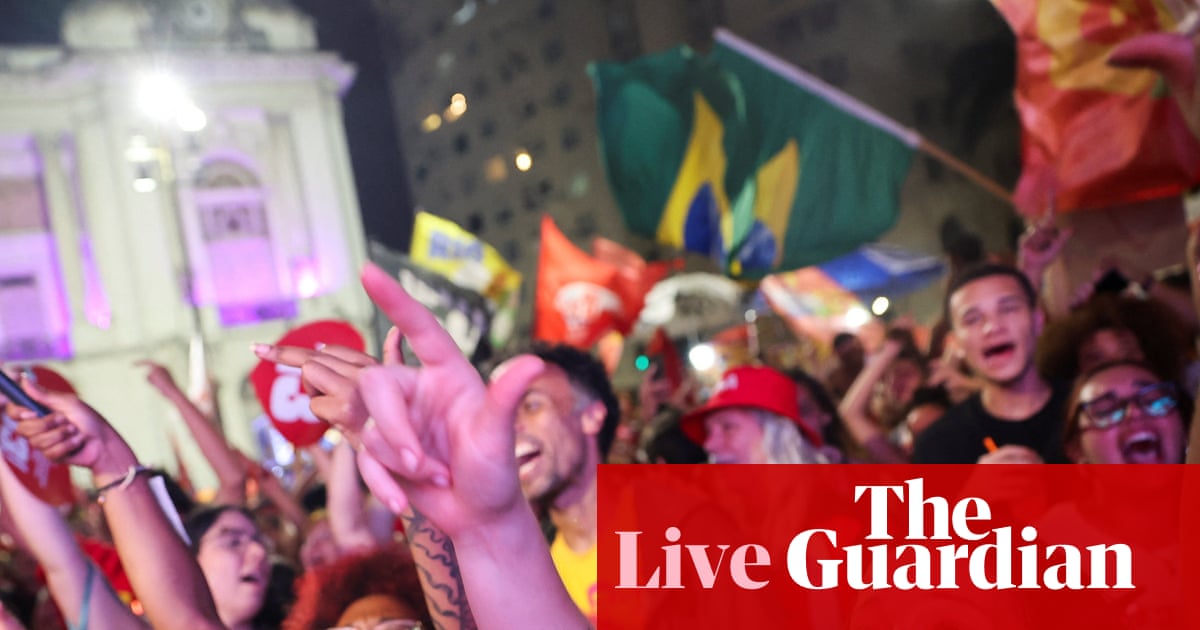
Celebrations erupted among supporters in São Paulo as electoral authorities finalized the count, with Lula pledging to govern for all citizens and protect democratic institutions. As the nation processes the tense outcome, attention turns to the formal certification of the results and the constitutional transition leading up to the inauguration on 5 January 2027.
How significant is this development?
Contribute your assessment to the aggregated reader sentiment ledger.
Frequently Asked Questions
Key questions answered in this reportWhat is the key development in: Brazil president Lula wins fourth term as challenger Bolsonaro rejects results?
Incumbent Luiz Inácio Lula da Silva secured a historic fourth presidential term in Brazil, defeating conservative challenger Flávio Bolsonaro.
Why is this Transport development significant for the UK?
This report covers critical events in our Transport beat. Independent reporting monitors related UK statements, regulatory shifts, and public responses as further verified details emerge.
How was this reporting corroborated and verified?
Newsarchy UK compiles and cross-references reporting from primary reporting from DW.com and cross-checked wire reports. All coverage adheres to published editorial standards.
When was this report published?
This briefing was published on October 26, 2026 and is permanently cataloged in the Newsarchy UK Transport archives.