Lycéens français multiplient les blocages contre Parcoursup et l'éducation
Student-led demonstrations and school blockades are sweeping France over Parcoursup grievances and deteriorating education conditions, prompting government responses and clashes.

- Core Development: Student-led demonstrations and school blockades are sweeping France over Parcoursup grievances and deteriorating education conditions, prompting government responses and clashes.
- Beat Context: Categorized under Transport with independent corroboration.
- Reporting Depth: 3 minute analytical read synthesized from verified newsroom sources.
A wave of school blockades and student-led demonstrations has intensified across France, putting severe pressure on public infrastructure and prompting questions over national education policy, university access systems, and the state's handling of civil unrest.
The movement began taking shape in late September, as students across Île-de-France and subsequently the entire country initiated blockades of secondary educational establishments. According to reporting by Mediapart, the core grievances center on deteriorating conditions within national education, overcrowded classrooms, chronic teacher absenteeism, and dissatisfaction with the Parcoursup admissions platform. Professional high school students have found themselves on the front lines of the protests, particularly in locations such as Meaux and Lille, where participants vocalize sharp opposition to forced career orientations, devalued vocational training programs, and enduring institutional neglect.
Media additions
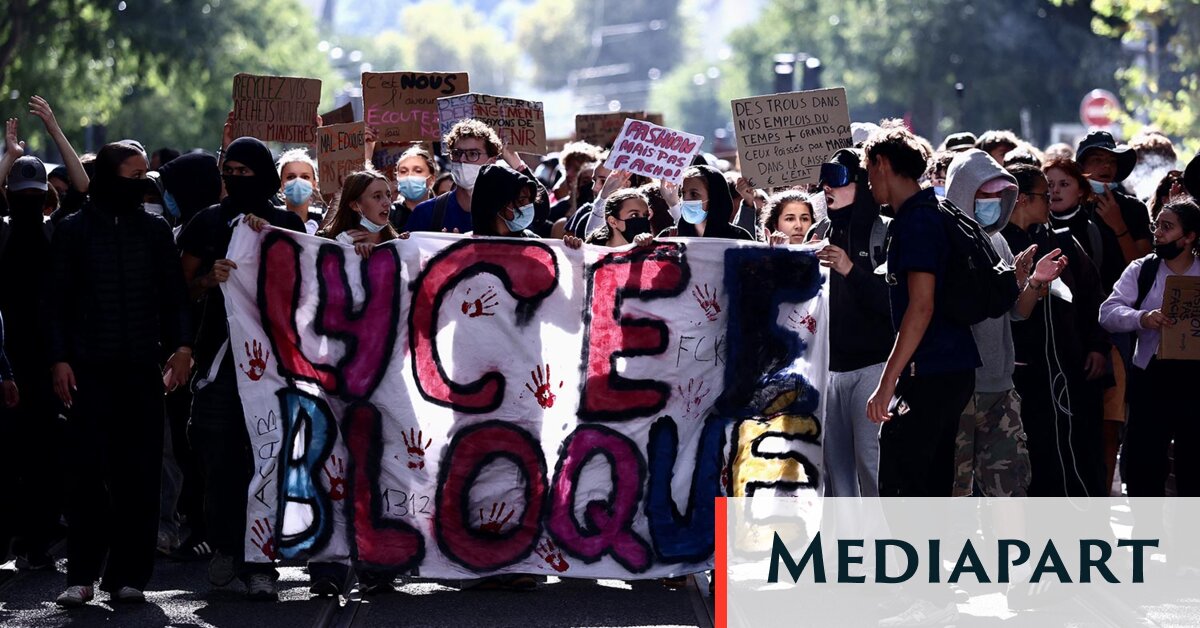

As discontent spread, tracking platforms like C'est la grève noted general disruptions across public transport, education, and other sectors, while urban transit monitors such as Is It a Strike? followed overlapping disruptions in the Paris region using live data feeds. The social friction has not been confined to classrooms; demonstrations have seen heavy police deployment, controversial vehicle maneuvers near crowds in places like Bourgoin-Jallieu, Troyes, and Dunkerque, and allegations of physical and verbal abuse during arrests. Mediapart documented instances of slogan-sorting and intercepted messages by police in Paris, alongside a high-profile incident in Rennes where a social worker was reportedly struck by an officer during a protest march.
The executive branch has shifted tactics after initially relying on hardline containment. Officials have proposed online consultations alongside dedicated debate periods within high schools, though student representatives remain deeply skeptical due to historical distrust of formal dialogue structures. In an attempt to address staffing shortages, education official Édouard Geffray pledged to mobilize unassigned teachers to calm the unrest. However, economic researchers from the Public Finance Lab argue that broader structural solutions are required, noting that ongoing demographic drops in student numbers offer an opportunity to resolve chronic resource gaps if properly leveraged.
| Event / Mobilization Phase | Reported Location / Context | Key Developments |
|---|---|---|
| Late September | Île-de-France and nationwide | Initial wave of high school blockades begins over education funding and Parcoursup. |
| Early October | Montpellier, Paris, and regional centers | Large demonstrations, including a packed Place de la Bastille and a peaceful march in Montpellier supported by teachers and parents. |
| Saturday, 10 October 2026 | Paris | Students from across France gather for their first national general assembly to coordinate the movement. |
| Tuesday, 14 April 2026 | Martinique | Separate from the mainland student protests, the Barreau de Martinique votes to extend a general strike over judicial reforms. |
The unrest has increasingly drawn in university students seeking to join forces with the youth movement, though campus administration closures have complicated coordination efforts. Incidents at Besançon, where police and gendarmerie forces were accused of entering campus grounds in pursuit of protesting students—an action denied by local sub-prefectural authorities—have further inflamed debate regarding traditional academic freedoms and the prohibition of law enforcement on campuses without presidential authorization.
Simultaneously, industrial disputes have rippled across other professional sectors in different territories. In Martinique, local attorneys belonging to the Barreau de Martinique voted to extend a general strike opposing the SURE legislative project and its central "plaider-coupable" measure, following coordinated "Justice-morte" operations across various French bars, as reported by France-Antilles.
What happens next remains tied to the resolve of the student committees. Participants at the national general assembly have committed to maintaining pressure on authorities, with widespread student and labor actions scheduled to culminate in another major mobilization wave.
How significant is this development?
Contribute your assessment to the aggregated reader sentiment ledger.
Frequently Asked Questions
Key questions answered in this reportWhat is the key development in: Lycéens français multiplient les blocages contre Parcoursup et l'éducation?
Student-led demonstrations and school blockades are sweeping France over Parcoursup grievances and deteriorating education conditions, prompting government responses and clashes.
Why is this Transport development significant for the UK?
This report covers critical events in our Transport beat. Independent reporting monitors related UK statements, regulatory shifts, and public responses as further verified details emerge.
How was this reporting corroborated and verified?
Newsarchy UK compiles and cross-references reporting from primary reporting from mediapart.fr and cross-checked wire reports. All coverage adheres to published editorial standards.
When was this report published?
This briefing was published on October 12, 2026 and is permanently cataloged in the Newsarchy UK Transport archives.