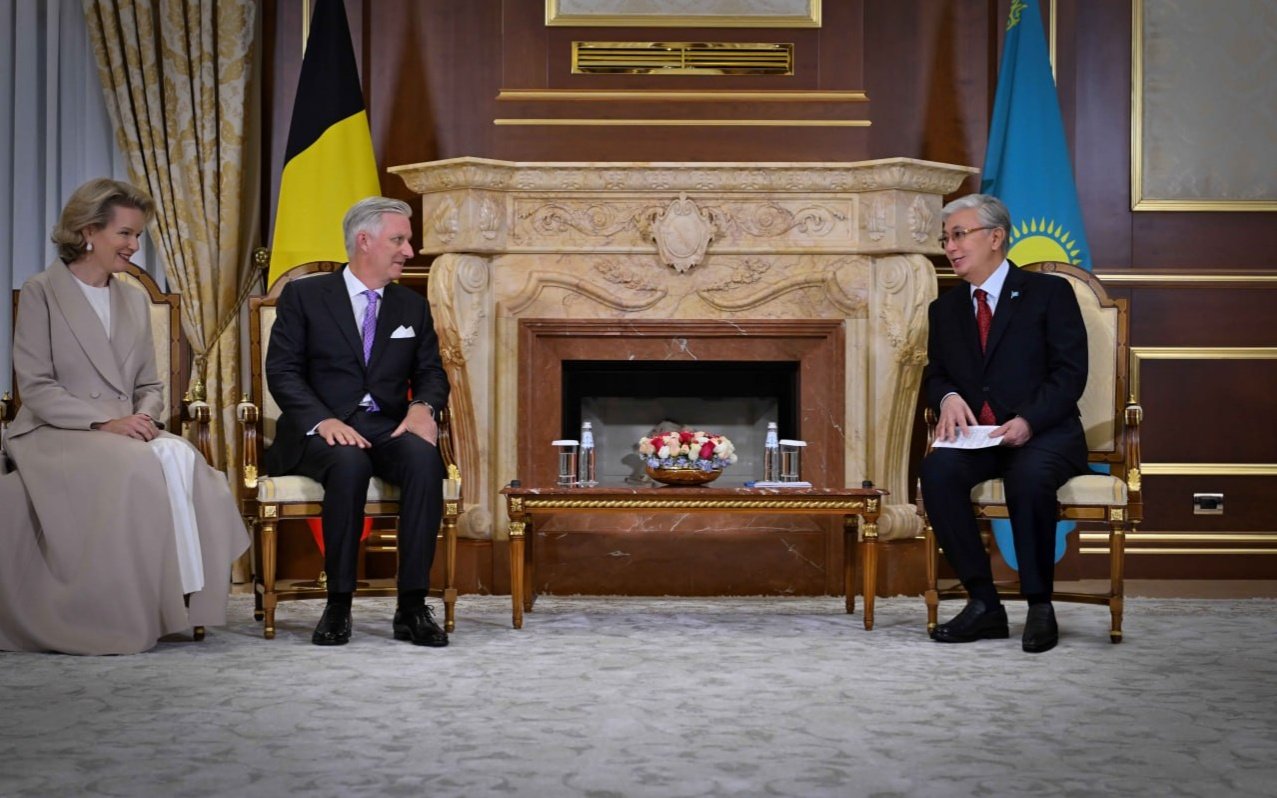
Riyadh airport attack forces Trump to rethink Yemen and Iran strategy
A missile strike on King Khalid international airport in Riyadh killed multiple people, including an American citizen, forcing a rapid reconsideration of US foreign policy.
- Core Development: A missile strike on King Khalid international airport in Riyadh killed multiple people, including an American citizen, forcing a rapid reconsideration of US foreign policy.
- Beat Context: Categorized under Transport with independent corroboration.
- Reporting Depth: 3 minute analytical read synthesized from verified newsroom sources.
A devastating missile strike on King Khalid international airport in Riyadh has upended Washington's foreign policy calculus, forcing a rapid reconsideration of the administration's Middle East and European strategies. The attack, which left multiple dead including an American citizen and several severely injured, pierced Saudi air defences from a distance of hundreds of miles, demonstrating that regional partners cannot currently secure themselves without external support.
The unfolding crisis arrives at a sensitive political juncture, compounding existing pressures across domestic and international arenas. Just days prior, the administration had unveiled an approach intended to sideline conflicts in Iran and Yemen while managing economic fallout at home. That strategy involved blaming Ukrainian President Volodymyr Zelenskyy’s long-range strikes on Russian oil refineries for soaring diesel prices, while simultaneously easing sanctions to permit purchases of Russian fuel. Critics, however, pointed out that the disruption to global energy markets originated from the closure of the Strait of Hormuz and the ongoing war in Iran rather than Kyiv's military tactics.
Media additions


The fallout from these policy shifts drew sharp rebukes from international figures and domestic lawmakers alike. Former UK Prime Minister Boris Johnson condemned the relaxation of sanctions on Russian fuel as sickening, while German Education Minister Karin Prien decried the move as moral bankruptcy according to reporting by The Guardian. In Washington, North Carolina Republican Senator Thom Tillis warned of potential electoral consequences and urged the White House to implement pending sanctions legislation rather than open avenues for Russian energy imports.
The diplomatic friction deepened when announcements regarding energy cease-fires caught European partners and Ukrainian leadership off-guard. While Ukrainian officials expressed conditional openness to halting attacks on energy infrastructure if reciprocal measures were enacted, tensions remained high over demands for new political leadership in Kyiv. European leaders gathered to reiterate steadfast support for Ukrainian sovereignty, emphasizing that regional security remains inextricably linked to the outcome of the conflict.
| Metric / Sector | Previous Status | Current Development |
|---|---|---|
| US-Houthi Engagement | Unilateral ceasefire maintained since 2025 | Riyadh airport strike renews pressure to abandon pact |
| Russian Energy Sanctions | Enforced via recent legislative packages | Temporary authorizations granted for stranded shipments |
| Midterm Political Impact | Strategy designed to park foreign wars | Domestic inflation and foreign policy weaponized in debates |
The security architecture in the Gulf now faces an acute dilemma. Having twice previously rejected Saudi appeals for assistance in managing Houthi aggression, Washington must weigh whether to honour traditional alliance commitments or maintain its current posture. Rejoining active hostilities against the Houthis would require committing substantial military resources, drawing heavily on stockpiles of precision munitions already depleted by operations in the Middle East. Alternatively, pursuing indirect diplomatic channels through intermediaries remains an option, though any resulting compromise risks alienating key regional partners and domestic political constituencies.
As the administration weighs its next moves, attention turns to whether the diplomatic and military strategy will be formally revised or left to face voter reaction at the ballot box.
How significant is this development?
Contribute your assessment to the aggregated reader sentiment ledger.
Frequently Asked Questions
Key questions answered in this reportWhat is the key development in: Riyadh airport attack forces Trump to rethink Yemen and Iran strategy?
A missile strike on King Khalid international airport in Riyadh killed multiple people, including an American citizen, forcing a rapid reconsideration of US foreign policy.
Why is this Transport development significant for the UK?
This report covers critical events in our Transport beat. Independent reporting monitors related UK statements, regulatory shifts, and public responses as further verified details emerge.
How was this reporting corroborated and verified?
Newsarchy UK compiles and cross-references reporting from primary reporting from nbcnews.com and cross-checked wire reports. All coverage adheres to published editorial standards.
When was this report published?
This briefing was published on October 11, 2026 and is permanently cataloged in the Newsarchy UK Transport archives.