Harlaxton Road bridge drops out of UK top ten after tech trial
The Harlaxton Road railway bridge in Grantham has dropped out of Britain's top ten most-struck structures following a £50,000 technology trial.

Harlaxton Road bridge has dropped out of Britain's ten most-struck railway structures following a technology trial, though wider issues with bridge collisions persist across the Network Rail network.
The notorious structure in Grantham, which carries the East Coast Main Line, previously ranked second nationally after recording eighteen strikes in the year covering April 2024 to March 2025, according to Lincsonline. In figures released for Road Safety Week covering April 1, 2025, to March 31, 2026, the Harlaxton Road bridge no longer features in the top ten. However, a nearby crossing at Barrowby Road has taken a spot in the national rankings, recording 12 collisions to place joint-tenth, up from 11 strikes the previous year.
Media additions
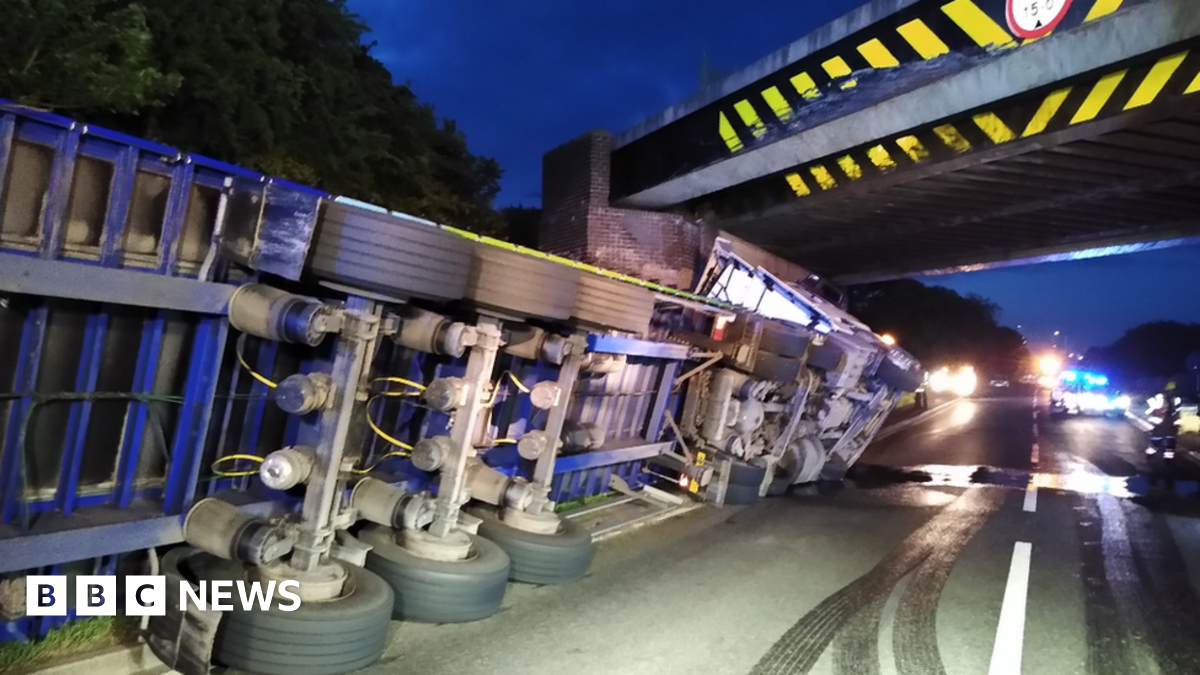


The disappearance of Harlaxton Road from the top ten follows the launch of a £50,000 technology trial. Network Rail initiated the project alongside BES Group in December 2025, fitting cameras and impact sensors to provide real-time alerts and help engineers assess potential damage remotely. Equipment installation wrapped up in January.
Network Rail clarified that the trial focused on speeding up damage assessments and minimizing transport delays rather than actively preventing vehicle strikes. Officials stated there was no direct causal link between the trial equipment and the bridge falling out of the annual rankings. Even so, a spokesperson for the infrastructure operator noted that the project offered valuable insights into how detection technology can streamline incident responses.
Nationally, bridge strikes increased from 1,666 to 1,706 incidents over the 2025/26 period, amounting to roughly one collision every five hours. These crashes generated 185,319 minutes of passenger delays and cost approximately £13.25 million in repairs, cancellations, and delays. Martin Frobisher, Network Rail’s group safety and engineering director, emphasized the severe nature of these events, stating via Lincsonline:
"A bridge strike is never a minor incident. It can put drivers, passengers and railway staff at risk, damage vital infrastructure and cause significant disruption while our engineers make sure the railway is safe."
Martin Frobisher, Network Rail’s group safety and engineering director, via Lincsonline
While Grantham's Harlaxton Road structure exited the top ten, the top spot nationally was claimed by the Watling Street railway bridge on the A5 in Hinckley, Leicestershire, which recorded 26 strikes in the year leading up to March 2026, as reported by Rayo. Mohammad Raza, Senior Structures Advisor at National Highways, explained via Rayo: Bridge strikes can cause substantial damage, lengthy delays on our roads and even injuries so we are working with various partners to help prevent these incidents.
| Bridge Location | 2019/20 Strikes | 2021/22 Strikes | 2024/25 Strikes | 2025/26 Strikes |
|---|---|---|---|---|
| Harlaxton Road, Grantham | 13 (Ranked 8th) | 17 (Ranked 3rd) | 18 (Ranked 2nd) | Outside top ten |
| Barrowby Road, Grantham | 8 (Top 20) | Not in top ten | 11 (Ranked 8th) | 12 (Joint 10th) |
| Watling Street, Hinckley | 25 (Ranked 1st) | Not in top ten | 22 (Ranked 1st) | 26 (Ranked 1st) |
Transport authorities continue to press haulage operators and drivers to utilize campaigns like "Wise Up, Size Up" to check vehicle heights and plan routes before departure. Simon Pumphrey, Network Rail’s East Coast route infrastructure director, urged operators via the Network Rail media centre to pay close attention to road signs and bridge restrictions to avoid unnecessary disruption.
Network Rail plans to continue refining the detection technology tested in Grantham to evaluate its viability for wider rollout across other vulnerable structures.