Central Asian states agree on water use, reservoir operations
Central Asian delegations have finalized new agreements on transboundary water usage and reservoir management to navigate mounting resource and climate pressures.
- Core Development: Central Asian delegations have finalized new agreements on transboundary water usage and reservoir management to navigate mounting resource and climate pressures.
- Beat Context: Categorized under Transport with independent corroboration.
- Reporting Depth: 4 minute analytical read synthesized from verified newsroom sources.
Central Asian nations have reached new agreements concerning transboundary water usage and reservoir management to navigate mounting resource pressures across the region. As reported by Jen, delegations gathered for high-level diplomatic talks addressing critical agricultural and energy demands that tie neighboring economies together.
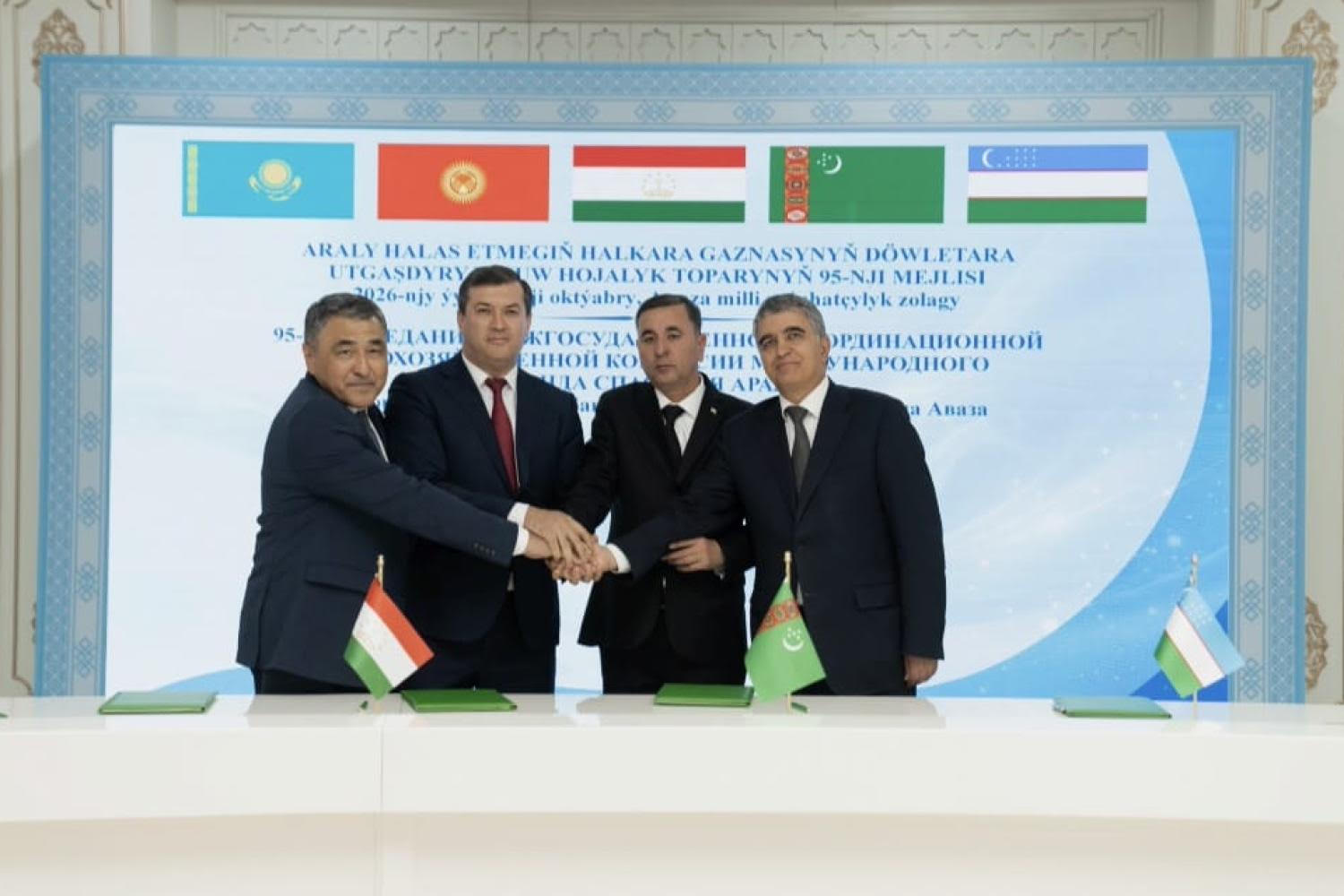
The diplomatic engagements brought together key figures from across the region to stabilize resource management. According to reporting by Trend News Agency, the gathering took place on 7 October 2026 in Turkmenistan's Avaza National Tourist Zone, specifically marking the 95th meeting of the Interstate Commission for Water Coordination of Central Asia under the International Fund for Saving the Aral Sea. Qazinform News Agency noted the talks were also cited through Kazakhstan’s Ministry of Water Resources and Irrigation. Ministerial delegations and senior officials participated, including Kazakhstan’s Minister of Water Resources and Irrigation Nurzhan Nurzhigitov, Head of the Main Department of Water and Energy Policy at Tajikistan’s Ministry of Energy and Water Resources Daler Abdukhalok, Chairman of Turkmenistan’s State Committee for Water Management Durdy Genjiyev, and Uzbekistan’s Minister of Water Resources Shavkat Khamrayev. Representatives of Kazakhstan, Kyrgyzstan, Tajikistan, Turkmenistan and Uzbekistan reviewed water-resource use and reservoir operations in the Amu Darya and Syr Darya basins, according to the press service.
Media additions

Water management in major river arteries remained a central focus of the negotiations. Officials reviewed regional growing season outcomes in the Syrdarya and Amudarya river basins, noting that water inflows into specific infrastructure surpassed initial technical forecasts. According to officials, water management in the Syrdarya basin remained stable throughout the growing season, with around 3.69 billion cubic meters of water flowing into the Shardara Reservoir in the Turkistan region, exceeding forecasts by 840 million cubic meters. Projected inflows for the upcoming non-growing season are anticipated to reach approximately 10 billion cubic meters, demanding careful synchronization among all riparian states.
Regional cooperation extends beyond basic volume allocations into structural modernization and technological upgrades. Governments are pursuing automated water accounting systems to monitor transboundary rivers more transparently, including an agreement to convene a working group to develop a draft plan for introducing an automated water accounting system in the Syrdarya basin. Hydrological stations operated by water-management associations are scheduled to receive new measuring equipment designed to sharpen flow measurement accuracy. Furthermore, delegates discussed joint initiatives focused on stabilizing exposed seabed sands, delivering vital sanitary and environmental water releases to the Aral Sea basin, and engaging with international organizations and financial institutions to implement joint investment projects.
The broader context of these water agreements is deeply intertwined with energy generation, agricultural consumption, and infrastructure development. Prior seasonal talks, such as those covered by Daryo in Bishkek, established parallel protocols tying summer water releases directly to coordinated electricity supplies. These binding arrangements help manage regional interdependencies where upstream reservoirs generate crucial hydroelectric power during winter while releasing water downstream for summer crop irrigation. Separate operating schedules, such as those approved for the Bahri Tojik reservoir covering specific summer months, historically support irrigation needs while improving coordination on shared water resources.
| Basin / Region | Key Focus Areas | Associated Infrastructure |
|---|---|---|
| Syrdarya Basin | Water withdrawal volumes, automated accounting, non-growing season flows | Shardara Reservoir, hydrological stations |
| Amu Darya Basin | Reservoir operating schedules, modernization, station equipment | Transboundary monitoring posts |
| Aral Sea Region | Sanitary releases, environmental stabilization, seabed sand management | Delta ecosystems |
Long-term climate pressures continue to drive urgency within regional transport and resource forums. Accelerating glacier loss and changing melt patterns threaten foundational economic sectors, prompting governments to seek international financial backing for climate-resilient infrastructure. Regional cooperation has become increasingly important as Central Asia faces rising pressure from population growth, expanding agricultural demand, and climate change, with international estimates ranking Central Asia among the world's top 10 water-consuming regions, and Uzbekistan accounting for the largest volume of water use in the region.
Climate experts have warned of mounting risks to water availability, noting that accelerating glacier loss could lead to long-term water shortages. In response to these challenges, President Shavkat Mirziyoyev earlier proposed declaring 2026-2036 a Regional Water Saving and Rational Water Use Decade and launching a Central Asian Water Week initiative. International support has also mobilized, with the European Union and Central Asian countries committing €4.8bn for projects focused on water security, renewable energy, and climate resilience.
What happens next depends on the execution of these newly minted protocols. Delegations will track the implementation of winter operating schedules and prepare for subsequent regional reviews as technical working groups begin drafting the automated accounting framework for transboundary river basins.
How significant is this development?
Contribute your assessment to the aggregated reader sentiment ledger.
Frequently Asked Questions
Key questions answered in this reportWhat is the key development in: Central Asian states agree on water use, reservoir operations?
Central Asian delegations have finalized new agreements on transboundary water usage and reservoir management to navigate mounting resource and climate pressures.
Why is this Transport development significant for the UK?
This report covers critical events in our Transport beat. Independent reporting monitors related UK statements, regulatory shifts, and public responses as further verified details emerge.
How was this reporting corroborated and verified?
Newsarchy UK compiles and cross-references reporting from primary reporting from jen.jiji.com and cross-checked wire reports. All coverage adheres to published editorial standards.
When was this report published?
This briefing was published on October 8, 2026 and is permanently cataloged in the Newsarchy UK Transport archives.