Oil prices slip as Trump waives Russian sanctions and tariffs
Oil prices slipped after President Donald Trump issued an executive order waiving key sanctions and tariffs on Russia to unlock fuel supplies.

- Core Development: Oil prices slipped after President Donald Trump issued an executive order waiving key sanctions and tariffs on Russia to unlock fuel supplies.
- Beat Context: Categorized under World with independent corroboration.
- Reporting Depth: 5 minute analytical read synthesized from verified newsroom sources.
Oil prices dipped on Monday after US President Donald Trump issued an executive order waiving key sanctions and tariffs on Russia that could unlock additional fuel supplies, reversing course just days before severe trade penalties were set to take effect. Brent crude futures fell $1.43, or 1.30%, to $108.43 a barrel by 2340 GMT on Monday following a settlement at its highest point since May 19. US West Texas Intermediate crude dropped 53 cents, or 0.52%, to $100.88 a barrel.
The executive action on Friday invoked authority under the Lindsey O. Graham Sanctioning Russia and Iran Act of 2026, which Trump had signed into law on September 18 at the urging of lawmakers wanting to exert maximum financial pressure on Moscow over its war in Ukraine. The legislation authorized a 500% ad valorem duty on Russian goods alongside 100% tariffs targeting the five largest importers of Russian crude oil and natural gas, as well as countries facilitating sanctions evasion. Those provisions were scheduled to take effect Sunday before the president intervened.
Media additions


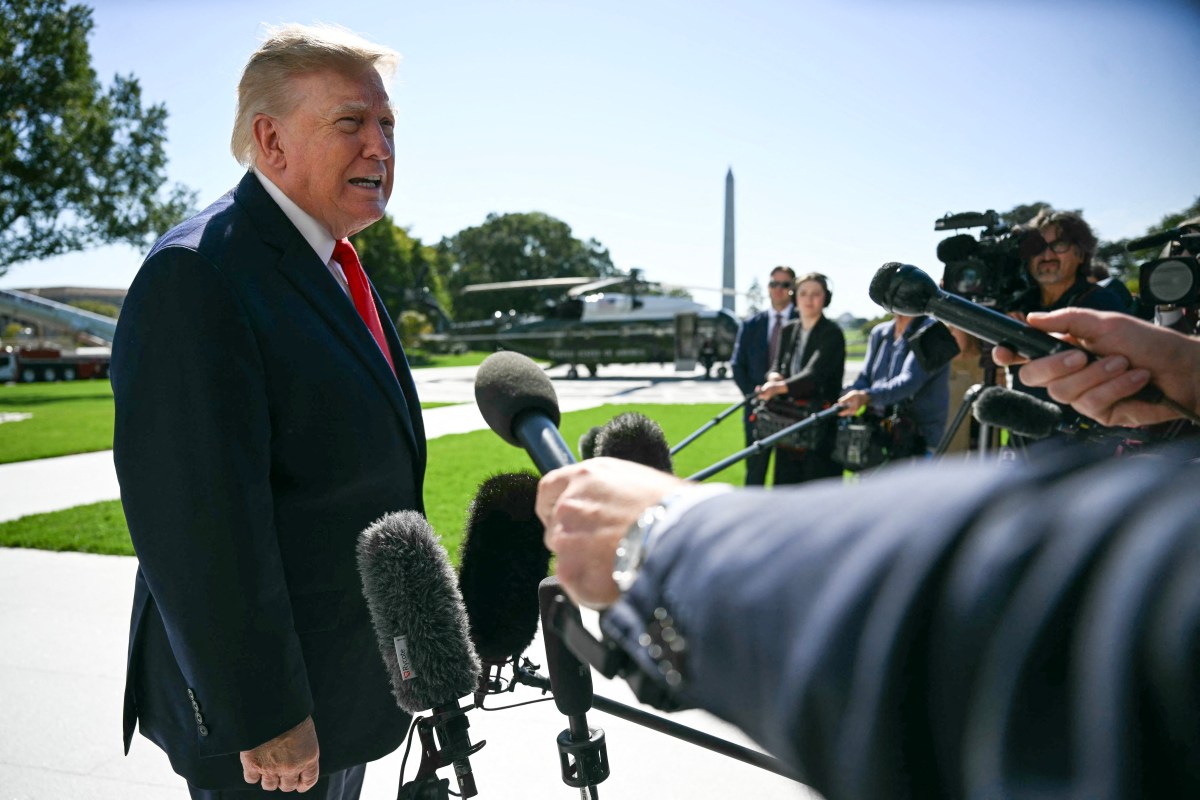
Administration officials defended the decision as a necessary step to protect the US economy and bring down high energy costs as voters prepare for November's midterm elections. White House spokeswoman Taylor Rogers stated that enforcing the sanctions provisions immediately would impede ongoing efforts to negotiate a comprehensive peace agreement between Ukraine and Russia. Secretary of State Marco Rubio announced that the administration will use up to 60 days to assess the broader economic impact of the waiver.
The suspension arrives roughly a week after Trump struck a bilateral deal with Russian President Vladimir Putin to export diesel to the United States and global markets. According to TradingView reporting via Seeking Alpha, Trump announced that Russia agreed to supply more than 300K tons of diesel initially—equaling 2.25 million barrels—followed by 500K tons in November and an additional 1 million tons. US retail diesel stood at approximately $6.28 per gallon on Friday after peaking at a record $6.52 per gallon on September 22, according to American Automobile Association data cited by TradingView.
Energy analysts have expressed deep skepticism regarding the efficacy of the fuel arrangement. CommodityContext.com founder Rory Johnston dismissed the planned deliveries as negligible, while CIBC Private Wealth Group senior energy trader Rebecca Babin warned that the barrels may not fully materialize or arrive too late to matter. Lipow Oil Associates president Andy Lipow noted that the poor condition of Russia's refineries following Ukrainian strikes and ongoing export restrictions casts doubt on whether Moscow can reliably spare the extra fuel.
The decision has ignited a fierce political backlash across Capitol Hill and among international allies, dividing Republicans and drawing sharp rebukes from Democrats. North Carolina Republican Senator Thom Tillis called the waiver beyond irresponsible on X, questioning why the administration would capitulate to a Russian dictator. Nebraska Representative Don Bacon argued that the president was prolonging the war rather than ending it, while Texas Senator John Cornyn lamented that late Senator Lindsey Graham would have been appalled by the rollback. Democratic Senate Minority Leader Chuck Schumer characterized the deal as a birthday gift to Vladimir Putin, and Connecticut Senator Richard Blumenthal accused the administration of siding with a bloodthirsty regime.
Conversely, some political figures defended the White House strategy. Patrick Casale, a senior adviser to the Nevada GOP chairman, argued that the measures are designed to force both sides toward peace talks by lowering energy pressures.
| Crude Benchmark | Recent Price Movement | Percentage Change / Context |
|---|---|---|
| Brent Crude Futures | $108.43 a barrel | Fell $1.43 (1.30%) after touching $110 briefly on Friday amid Middle East tensions |
| US WTI Crude | $100.88 a barrel | Down 53 cents (0.52%) following weekly gains |
| NYMEX Diesel Futures | $4.6828/gal | Extended post-market losses, falling 4% on supply news |
The timing of the sanctions waiver coincides with massive volatility across global energy networks. Analytics firm Kpler reported that intensified attacks on commercial vessels slashed Gulf crude flows last week to approximately 8.5 million barrels per day on a seven-day average, down from over 20 million barrels per day the week prior. Although Saudi Aramco recently resumed crude loadings at its Ras Tanura terminal after a nearly four-month halt, according to shipping data covered by Daily Bonik Barta, regional instabilities continue to rattle global markets.
Ukrainian President Volodymyr Zelenskiy condemned the US policy shift, noting that the waiver was granted while Russian forces carried out a massive bombardment against more than 15 power facilities across Ukraine. Overnight strikes killed at least four people and left hundreds of thousands of citizens vulnerable. Zelenskiy argued that concessions to Moscow will only invite further aggression.
As the administration moves forward with its 60-day assessment period, market participants and lawmakers will closely monitor several developments:
- The formal findings of Secretary of State Marco Rubio's 60-day economic impact review on the Graham Act waivers.
- The actual delivery volumes and transit timelines of the promised Russian diesel shipments to American and global ports.
- Ongoing congressional battles as Republican and Democratic lawmakers weigh legislative overrides or further restrictions against the executive branch's trade powers.
- The stability of maritime trade routes in the Middle East and whether Gulf producers can sustain their recent production recoveries.
How significant is this development?
Contribute your assessment to the aggregated reader sentiment ledger.
Frequently Asked Questions
Key questions answered in this reportWhat is the key development in: Oil prices slip as Trump waives Russian sanctions and tariffs?
Oil prices slipped after President Donald Trump issued an executive order waiving key sanctions and tariffs on Russia to unlock fuel supplies.
Why is this World development significant for the UK?
This report covers critical events in our World beat. Independent reporting monitors related UK statements, regulatory shifts, and public responses as further verified details emerge.
How was this reporting corroborated and verified?
Newsarchy UK compiles and cross-references reporting from primary reporting from Newsweek and cross-checked wire reports. All coverage adheres to published editorial standards.
When was this report published?
This briefing was published on October 19, 2026 and is permanently cataloged in the Newsarchy UK World archives.