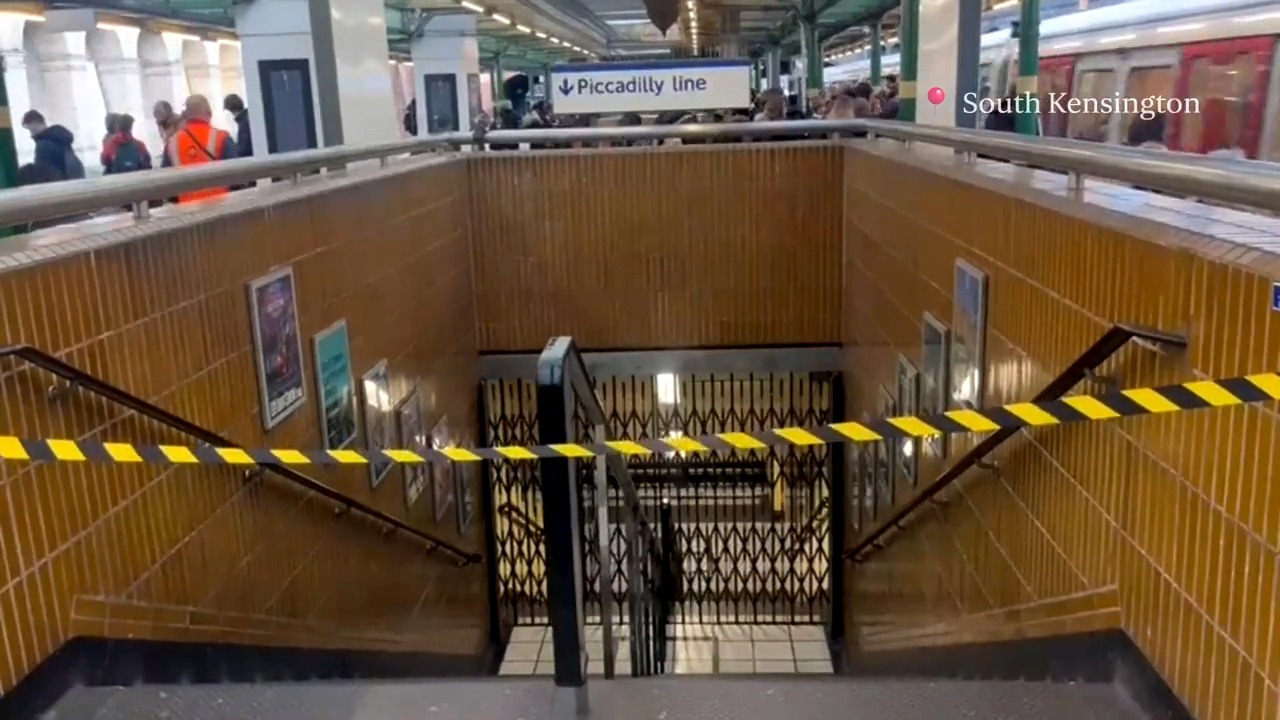
London Underground drivers begin 24-hour RMT strike over working conditions
Tube drivers in the RMT union will walk out for 24 hours from midday on 26 November 2026 in the first of eight planned stoppages over TfL's four-day working week.

Tube drivers belonging to the Rail, Maritime and Transport union will walk out for 24 hours from midday on Thursday, 26 November 2026, in the first of eight planned stoppages over Transport for London’s proposed four-day working week, with all 11 Underground lines facing potential disruption during the busiest weeks of the festive season.
The industrial action, announced by the RMT on 6 November, runs from midday on Thursday until 11.59am on Friday. Because each strike straddles two dates, both the evening commute on the first day and the morning commute on the following day are expected to be hit. TfL has warned that disruption will be felt across the entire network, though trains are expected to continue running on most lines.
Media additions
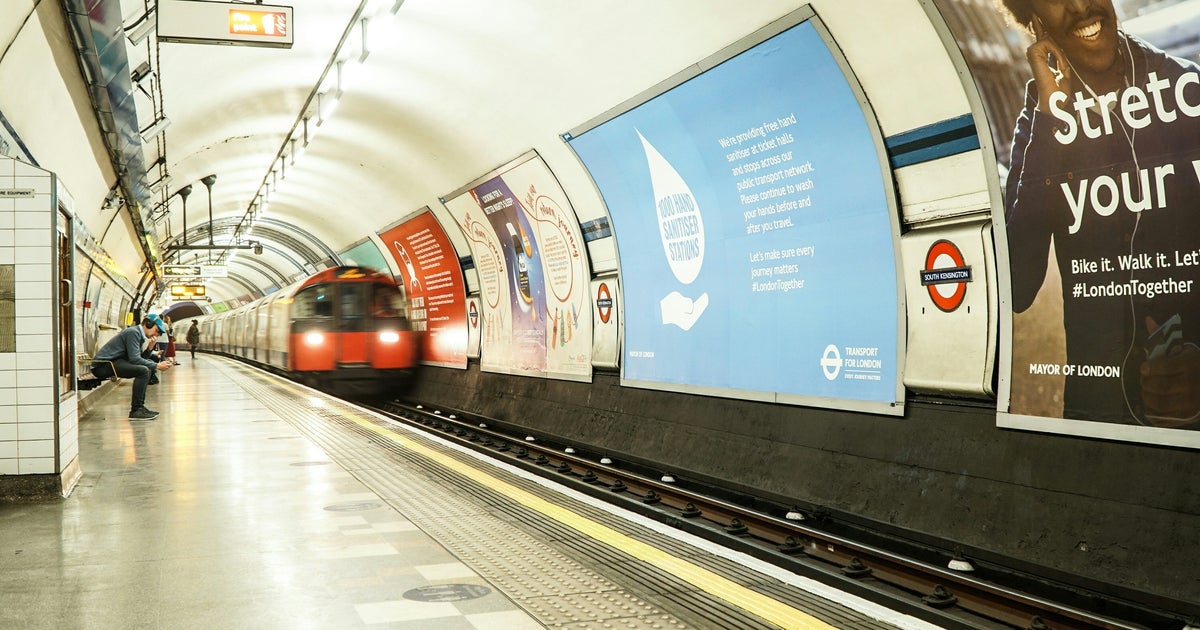


The strike is the opening round of a winter programme of eight 24-hour walkouts running from November into February 2027. The full schedule, as reported by multiple outlets, is set out below.
| Strike date | Action window | Source |
|---|---|---|
| Thursday 26 November 2026 | Midday Thursday to 11.59am Friday | Yahoo UK |
| Thursday 17 December 2026 | Midday to midday the following day | Yahoo UK |
| Saturday 19 December 2026 | Midday to midday the following day | Yahoo UK |
| Monday 4 January 2027 | Midday to midday the following day | Yahoo UK |
| Wednesday 6 January 2027 | Midday to midday the following day | Yahoo UK |
| Wednesday 17 February 2027 | Midday to midday the following day | Yahoo UK |
| Monday 23 February 2027 | Midday to midday the following day | Yahoo UK |
| Wednesday 25 February 2027 | Midday to midday the following day | Yahoo UK |
The dispute centres on TfL’s proposal to introduce a voluntary four-day working week for Tube drivers. Under the plans, most drivers would see their contractual week reduced from 36 hours to 35 hours, with paid meal breaks introduced so that total paid hours remain unchanged. TfL says drivers who prefer to stay on a five-day week can do so without detriment and remain at the same depot.
The RMT rejects that characterisation. General secretary Eddie Dempsey has accused London Underground of attempting to “dress up a wholesale attack on drivers’ working conditions as a voluntary four-day week,” arguing that the scheme forces drivers to give up existing protections and threatens those who refuse with displacement from their depots.
“London Underground is attempting to dress up a wholesale attack on drivers’ working conditions as a voluntary four-day week. But there is nothing voluntary about a scheme that forces drivers to give up existing protections whether they work four days or five, and threatens those who refuse with displacement from their depots.”
Eddie Dempsey, RMT general secretary, via Huffington Post
The union also claims drivers face longer driving duties, earlier starts, later finishes, short-notice shift changes and attacks on transfer rights and annual leave arrangements. It has warned that hundreds of drivers could face redundancy if the scheme is rolled out across the network, citing initial rosters for the Bakerloo line as evidence of significant staffing reductions.
TfL’s director of customer operations, Nick Dent, said the “majority” of the RMT’s concerns had been resolved and urged the union to put the proposal to its members. A TfL spokesperson described suggestions that the change is not voluntary as “misleading the public,” insisting the proposals would give drivers more time off and create a more modern, efficient service.
Rival union Aslef has accepted the four-day week proposal and will not join the strike action. Its members represent a slightly higher share of Tube drivers than the RMT, meaning roughly half of the network’s drivers are expected to walk out. Aslef’s full-time organiser on London Underground, Finn Brennan, called the RMT’s action “a strange choice to make,” saying the voluntary deal gives participating drivers an extra 35 days off a year.
“A strike designed to stop people having the choice of a shorter working week and more time off is a strange choice to make.”
Finn Brennan, Aslef full-time organiser on London Underground, via Evening Standard
Last-ditch talks between the RMT and London Underground were due to be held on Tuesday under the ACAS conciliatory service. No agreement had been reached ahead of the first walkout, and TfL has cautioned that the exact level of disruption will depend on staffing levels on the day.
Services are expected to wind down from about 10:00 GMT on Thursday before the strike begins at midday. No service is expected on the Circle or Piccadilly lines throughout the day, or on the Waterloo & City line after midday. On Friday, Tube services are expected to start later than normal, with disruption across all lines until around midday, followed by continued disruption through the afternoon and evening as services return to normal by about 18:00.
The Piccadilly line is of particular concern because it provides the direct Underground link to Heathrow Airport. Passengers with flights on Thursday afternoon or Friday morning are advised to verify their journeys in advance, with the Elizabeth line and Heathrow Express available as alternatives that are not directly affected by the RMT strike.
The Elizabeth line, London Overground, DLR, buses and trams are expected to operate normally, though TfL has warned they will be busier than usual as passengers seek alternatives. Major interchanges including Stratford, Liverpool Street, Paddington and Tottenham Court Road are likely to see increased demand.
The timing compounds the pressure on Londoners. The first strike falls during the pre-Christmas shopping period, and the 19 December walkout lands on “Super Saturday,” traditionally the capital’s most significant shopping day before Christmas. The 4 January strike coincides with the first day back at work for millions after the Christmas and New Year break.
Previous strikes offer a guide to the likely impact. During June’s action, Tube journeys fell by 40%, bus usage rose by 4%, London Overground journeys increased by 4%, Elizabeth line journeys grew by 18%, DLR journeys were up 7%, cycling increased by 22% and roads were 10% busier, according to TfL figures cited by the BBC. The Circle and Waterloo & City lines did not run, with major disruption on the Piccadilly, Metropolitan and Central lines, though 90% of Jubilee line services operated.
The mayor of London has said previous strikes had a “serious impact on Londoners, businesses and commuters” and called for talks between TfL and the RMT to resume.
What to watch next
- Whether last-ditch ACAS talks result in a suspension of the 26 November strike or any of the seven remaining dates.
- Confirmation of which lines will run reduced services and which will be suspended entirely, expected closer to each strike date.
- Passenger numbers on the Elizabeth line, Overground, DLR and buses, which are expected to absorb displaced Tube travellers.
- Whether Aslef members continue to work through all eight RMT strike dates, limiting the scale of the disruption.
TfL is urging passengers to check the TfL Go app and its strike information page before travelling, and to allow extra time for journeys. With eight stoppages scheduled between now and February, the disruption is likely to be a recurring feature of London travel through the winter.