Andy Burnham tells John Swinney agree to disagree on Scottish independence
New Prime Minister Andy Burnham told Scotland's First Minister John Swinney they would have to agree to disagree on independence during their first phone call.
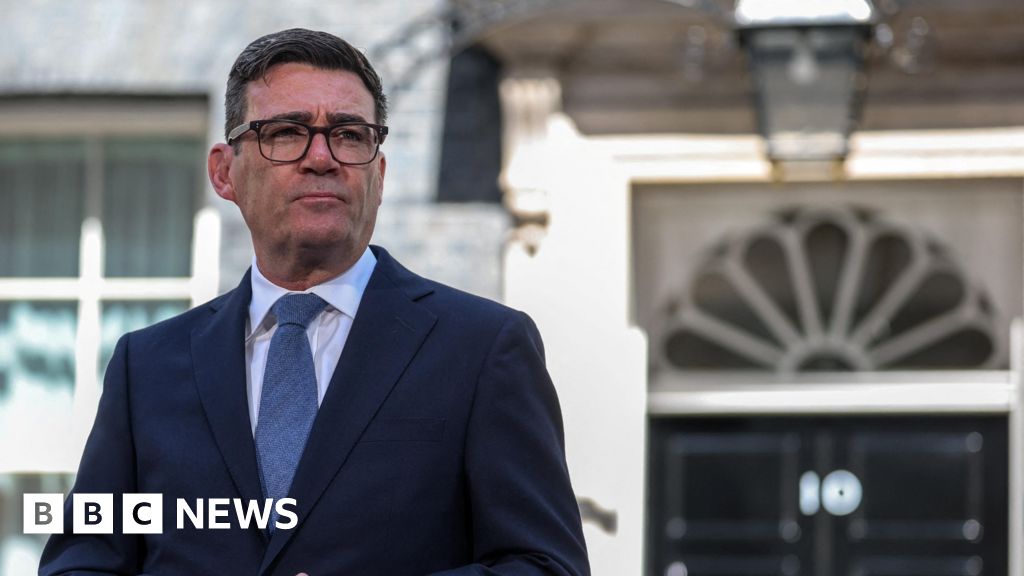
New Prime Minister Andy Burnham told Scotland's First Minister John Swinney they would have to "agree to disagree" on independence during their first phone call on Tuesday, setting the tone for a relationship that both sides say can still deliver practical cooperation on the cost of living and devolution.
The conversation came on Burnham's first full day in Downing Street after he was confirmed as Labour leader last week. Swinney raised the constitutional question, citing the pro-independence majority of SNP and Green MSPs returned at Holyrood in May, but a UK government source told the Press Association the prime minister was "quite firm" that he would not take the debate forward. "It's not something he's focused on and it's not a conversation that he's interested in taking forward," the source said, describing the rest of the call as "quite warm and constructive."
Media additions


Swinney acknowledged the gap afterward. "Obviously, the prime minister and I have different views on the constitution, but I've got a mandate to take forward," he told the Press Association. "I will be looking to advance that mandate that I received directly from the people of Scotland in the course of the last few months and to make sure that Scotland has a choice about her own future." He also welcomed Burnham's announcement of a VAT cut on energy bills and extended an invitation for the prime minister to visit Scotland.
Brexit debate reopens constitutional fault lines
The independence clash sits against a fast-moving backdrop. On Monday, Burnham told MPs it would be a "dereliction of duty" not to consider a closer relationship with the EU, opening the door to rejoining in Labour's next manifesto. Swinney told The Telegraph that "revisiting" Brexit would "completely and utterly undermine" Westminster's opposition to another independence vote, arguing the prime minister's comments destroyed the idea of "permanence" around the 2014 result.
Conservative leader Kemi Badenoch seized on the moment. During a visit to Edinburgh on Wednesday, she challenged Burnham to rule out a referendum for the duration of his premiership. "He should. The Conservative Party is very clear on that. Labour does not have a clear position," she said. Badenoch also accused the SNP, Plaid Cymru and Sinn Féin of being Russia's and Iran's "useful idiots" after the three parties signed a pact in Cardiff last month pledging to work together to break up the UK. Russian foreign minister Sergey Lavrov cited the deal to question Britain's permanent seat on the UN Security Council.
Burnham has moved to close down the speculation. In an interview with STV's Colin Mackay from No 10 North in Manchester, he said there is "no clear consensus" for a second referendum and that the 2014 vote settled the matter "for a generation." Asked if he is a unionist, he replied: "I support solidarity between the nations of the UK, I don't support separation, I think Britain works better together." A Downing Street spokesperson reinforced the line: "The prime minister has been clear that another independence referendum is off limits. He passionately believes in our Union and is optimistic about the future of the United Kingdom."
Practical cooperation on offer
Despite the constitutional deadlock, both governments are signalling a willingness to work together on day-to-day issues. Burnham's call with Swinney was mirrored by conversations with the leaders of Wales and Northern Ireland. A Downing Street spokesperson said the prime minister stressed his desire for "practical measures, not constitutional changes like further referendums" and spoke of driving "deeper devolution to all parts of the United Kingdom to get growth going."
On Friday, Burnham makes his first visit to Scotland as prime minister. He is expected to invite Swinney to work with No 10 North on devolving more power to Scotland's regions and cities. "Through No 10 North, we are rewiring the state and I want to make sure regions in Scotland are fully part of this," he will say, according to advance briefing. "This is me making an offer to the Scottish Government. With us working together, there is no limit to what we can achieve for the Scottish people."
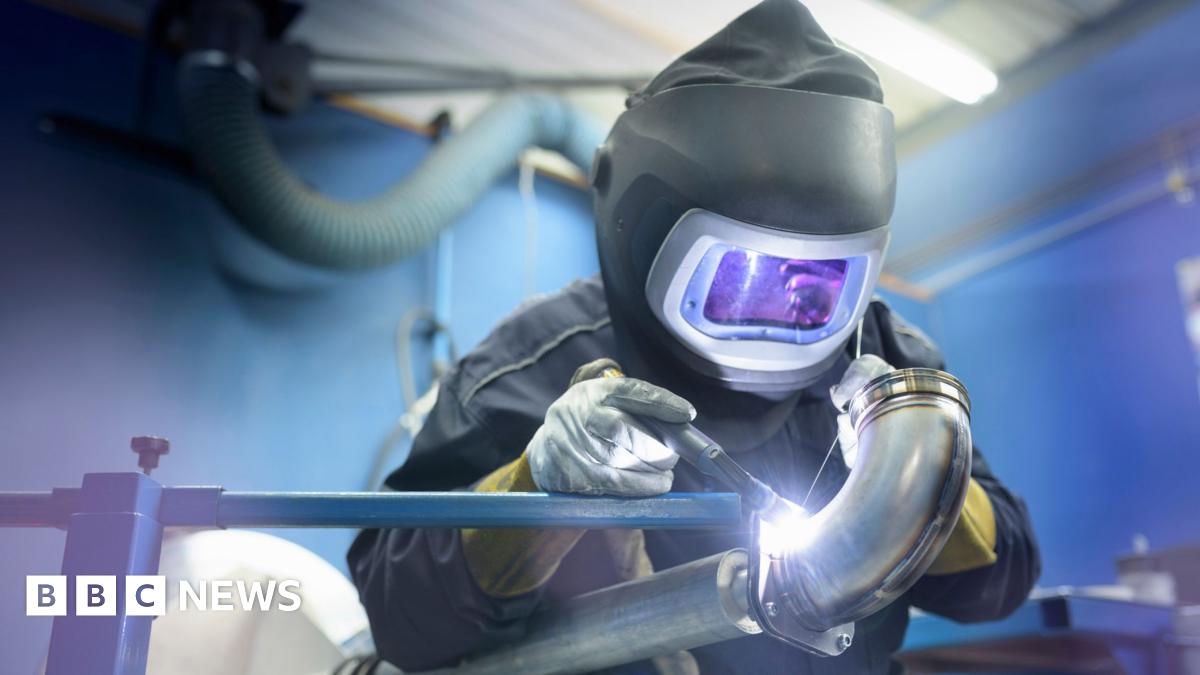
Early evidence of that cooperation appeared on the Clyde. The UK government confirmed £2.5m of extra funding for a specialist welding centre at Old Kirkpatrick, near Clydebank, to support Royal Navy submarine construction. The £11m Rolls-Royce-led project had been in doubt after Scottish Enterprise declined to fund it under the SNP's longstanding ban on financing firms involved in munitions. Swinney lifted that policy in August, citing the "changed international landscape," though with an exception for firms supplying weaponry to Israel. Defence Secretary John Healey said: "Where the SNP won't back Scottish industry, young people or our national security, Labour will step in."
Pressure from all sides
The prime minister faces competing pressures. Scottish Conservative deputy leader Rachael Hamilton MSP accused him of "furiously trying to backtrack" after his Commons remarks "emboldened John Swinney and other nationalist leaders." SNP depute leader Keith Brown MSP welcomed Burnham's acknowledgement that Scotland has the right to decide, calling it "a simple democratic concept that Holyrood, with the support of Scottish Labour, has endorsed too."
Writing in the Scottish Daily Express, a unionist commentator argued that if Burnham ever relies on SNP votes at Westminster, "there is a very real possibility that the price will be another referendum on independence," and urged pro-UK voters to consider a boycott in that event. Badenoch echoed the distrust: "Andy Burnham has foot and mouth syndrome. He has had to clean up pretty much everything that he has said on this issue and others. We don't know whether he's coming or going."
What to watch next
- Friday's visit: Burnham's first trip to Scotland as PM; joint appearance with Swinney expected.
- National Economic Council: Swinney invited to No 10 North to discuss further devolution to city and town level.
- Clyde welding centre: £2.5m UK funding confirmed; Scottish Enterprise to implement new munitions policy.
- EU reset: Burnham's "dereliction of duty" comments keep the Brexit debate alive, feeding SNP arguments for indyref2.
- Cardiff pact fallout: SNP, Plaid Cymru and Sinn Féin cooperation continues; Lavrov comments keep international dimension in play.
For now, the two leaders have parked their constitutional disagreement and agreed to talk about the things they can change. Whether that holds when the next political pressure point arrives remains the open question.