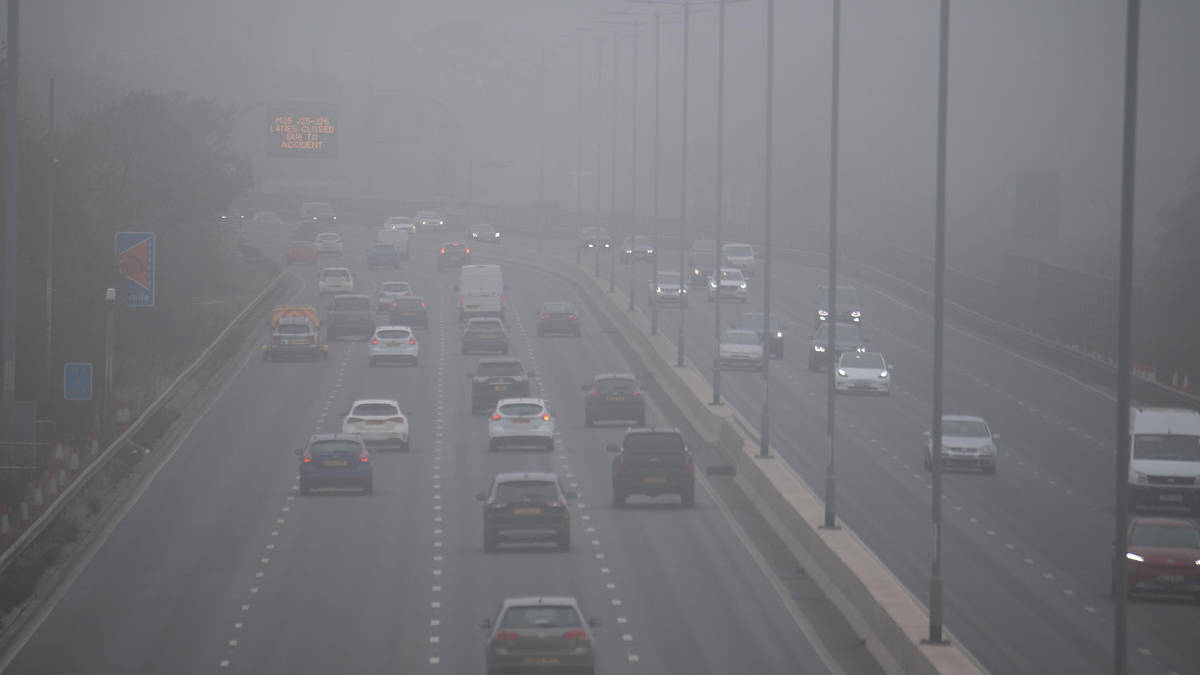
Met Office issues fog warnings across UK with travel disruption expected
Yellow fog warnings have been issued across large parts of the UK, bringing hazardous travel conditions and severe disruption to transport networks as visibility drops below 50 metres.

- Core Development: Yellow fog warnings have been issued across large parts of the UK, bringing hazardous travel conditions and severe disruption to transport networks as visibility drops below 50 metres.
- Beat Context: Categorized under Transport with independent corroboration.
- Reporting Depth: 4 minute analytical read synthesized from verified newsroom sources.
Severe weather alerts have swept across large parts of the UK, bringing hazardous travel conditions, reduced visibility, and widespread disruption to road, rail, and air networks according to the Mirror. The Met Office issued yellow warnings for fog affecting dozens of areas, with visibility plunging dramatically and forcing transport operators to urge caution for anyone heading out on the morning commute. These fresh fog alerts follow a turbulent spell of wintry weather that has already tested transport infrastructure across England, Wales, Scotland, and Northern Ireland.
According to Manchester Evening News, the severe weather warning system was activated as patchy and dense fog developed overnight. The national weather agency noted that visibility could fall to less than 50 metres in several regions, creating dangerous driving environments and potentially slowing down bus and train services. South Wales Argus reported that while parts of south and west Wales escaped the primary alert area, nearby zones such as Bristol and northeast Wales fell squarely within the warning footprint, leading to potential knock-on delays for cross-border commuters travelling over routes like the Severn Bridge.
Media additions


Further north, The Traveler highlighted that Yorkshire and the Humber faced significant risks as a yellow fog warning overlapped evening departures and the morning commute. Major urban centres including Sheffield, Leeds, Wakefield, Doncaster, and York were placed under the alert. Regional resilience groups warned that reduced visibility on key arteries such as the M1, the A1(M), and the M62 could cause rapid congestion and increase the likelihood of minor collisions.
| Warning Type | Affected Regions | Visibility / Impact | Source Reference |
|---|---|---|---|
| Yellow Fog Warning | England and Wales (including Yorkshire, Midlands, London, South East and South West) | Visibility dropping below 50 metres; moderate travel disruption risk | Mirror / The Traveler |
| Yellow Wind Warning (Storm Austen) | South West England, Wales, parts of Scotland | Wind gusts of 45–70mph (up to 80mph in exposed spots); ferry cancellations | BBC |
| Snow and Ice Warnings | South West England, Northern Ireland, Scottish Highlands | Sub-zero temperatures, localized road closures, and traffic congestion | BBC |
Aviation has faced particular vulnerability. The Met Office explained that when fog reduces visibility below standard operating thresholds, air traffic controllers must increase the separation distance between landing aircraft. This procedural change reduces the total number of planes an airport can handle per hour, frequently resulting in rolling delays and flight cancellations.
The current fog alerts arrive on the heels of severe atmospheric disturbances. BBC reporting noted that Storm Austen previously battered parts of the UK with powerful winds and heavy rain, prompting school closures, ferry suspensions across Irish Sea routes, and speed restrictions on rail networks due to fallen branches. Subsequent low-pressure systems and freezing conditions have pushed overnight temperatures down significantly across the country, creating a complex multi-hazard environment for travelers.
Health authorities have also responded to the freezing snap. BBC reported that the UK Health Security Agency issued an amber cold health alert across England, warning of heightened health risks for vulnerable individuals alongside increased strain on emergency and health services. Motorists navigating icy patches, snow cover, and sudden fog banks have been urged by National Highways and local police to avoid non-essential travel in the worst-hit areas.
Drivers venturing out during weather warnings are advised to adhere to basic safety protocols:
- Check local road conditions and transport schedules before leaving home.
- Allow significantly greater journey times and maintain a wider stopping distance from vehicles ahead.
- Test and properly utilise front and rear fog lights, avoiding full-beam headlights that reflect off suspended water droplets.
- Monitor live updates from rail, bus, and air operators for schedule changes and cancellations.
As weather patterns continue to shift, transport authorities and forecasters emphasize that warnings remain subject to change at short notice. Commuters and long-distance travelers heading into the new week are encouraged to stay informed through official transport updates and local forecasts as winter weather maintains its grip on national transport networks.
How significant is this development?
Contribute your assessment to the aggregated reader sentiment ledger.
Frequently Asked Questions
Key questions answered in this reportWhat is the key development in: Met Office issues fog warnings across UK with travel disruption expected?
Yellow fog warnings have been issued across large parts of the UK, bringing hazardous travel conditions and severe disruption to transport networks as visibility drops below 50 metres.
Why is this Transport development significant for the UK?
This report covers critical events in our Transport beat. Independent reporting monitors related UK statements, regulatory shifts, and public responses as further verified details emerge.
How was this reporting corroborated and verified?
Newsarchy UK compiles and cross-references reporting from primary reporting from https://www.thetraveler.org/ and cross-checked wire reports. All coverage adheres to published editorial standards.
When was this report published?
This briefing was published on November 8, 2026 and is permanently cataloged in the Newsarchy UK Transport archives.