Portugal general strike to impact hundreds of flights and public ...
Portugal’s main unions launched a 24-hour general strike to protest labour law reforms, impacting airports and public transport. Over 650 flights were cancelled.
- Core Development: Portugal’s main unions launched a 24-hour general strike to protest labour law reforms, impacting airports and public transport. Over 650 flights were cancelled.
- Beat Context: Categorized under Transport with independent corroboration.
- Reporting Depth: 3 minute analytical read synthesized from verified newsroom sources.
On 3 June 2026 Portugal’s two main union confederations, the General Confederation of Portuguese Workers (CGTP) and the General Workers’ Union (UGT), called a 24‑hour general strike to protest a labour‑law reform package that would make dismissals easier, lift caps on outsourcing and change overtime rules. The strike, described by the unions as “the country’s biggest walkout in more than 10 years”, saw cabin‑crew, rail workers, metro staff, nurses, teachers and other public employees walk off the job.
Union president Ricardo Penarróias of the cabin‑crew union SNPVAC warned Portuguese media that the walkout could affect “around 500 flights”. The prediction proved a low estimate. Data from airport operator ANA, reported by The Traveller, later indicated that more than 650 flights were cancelled nationwide – close to half of the day’s planned services.
Media additions
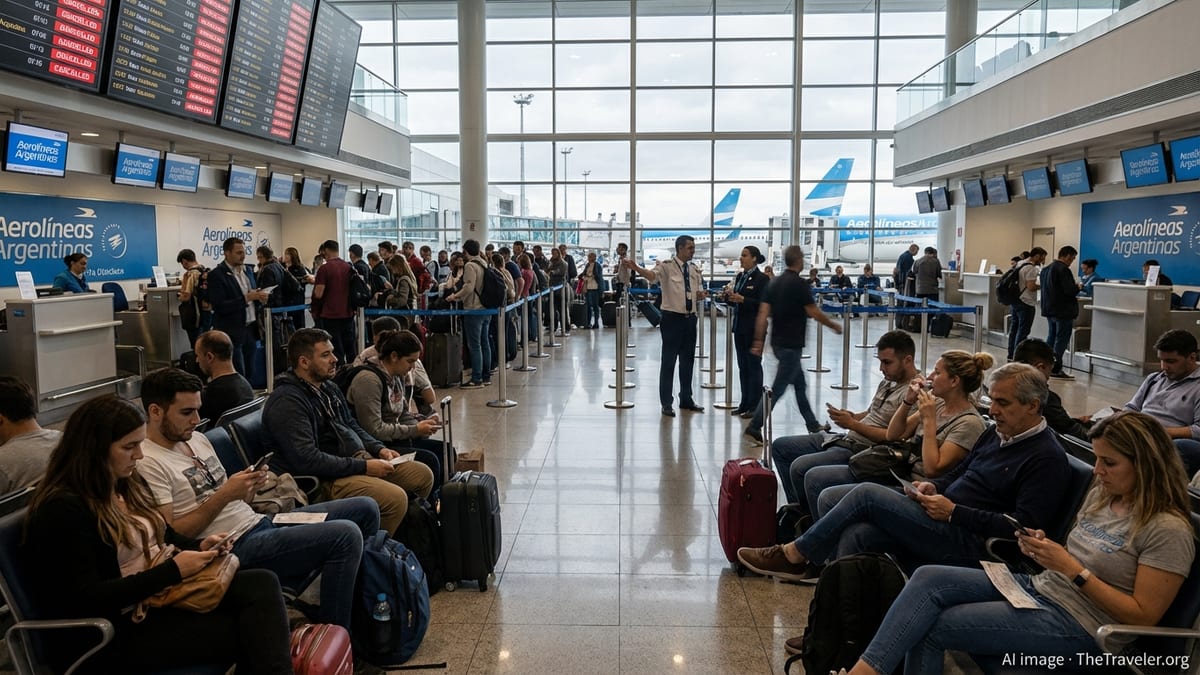
Airline responses
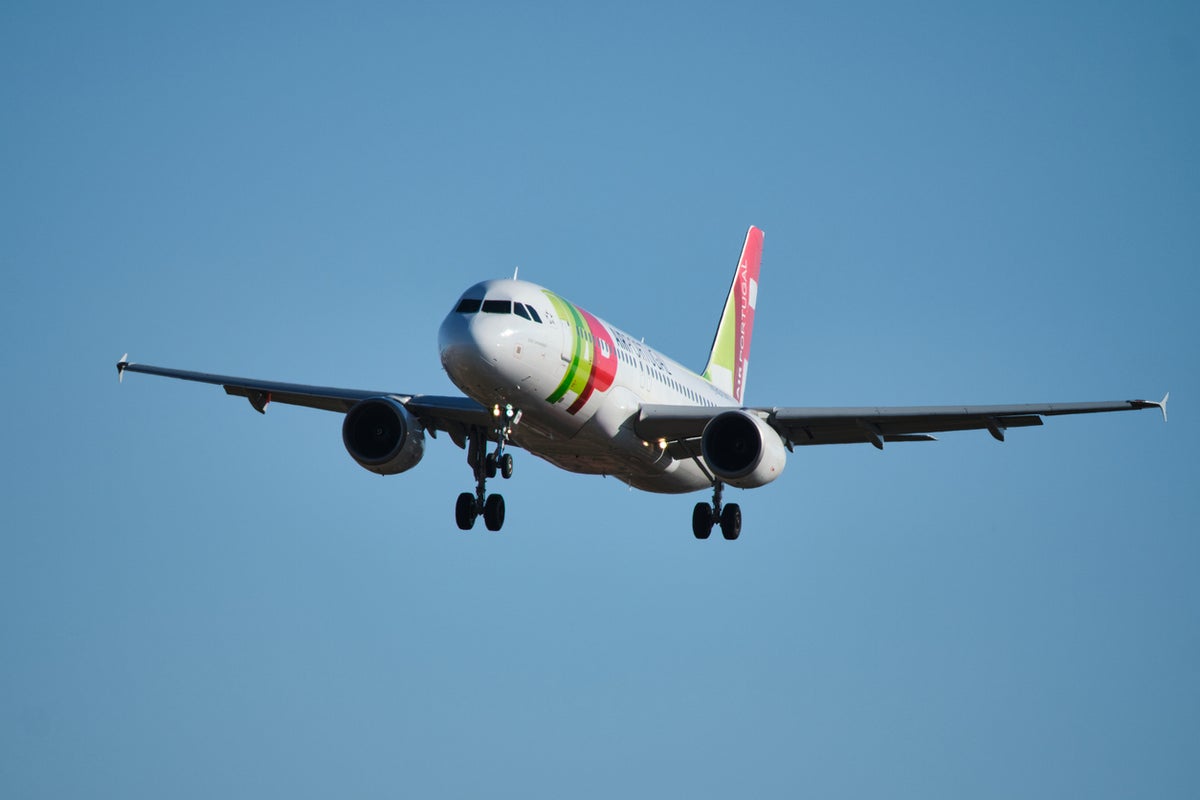
Flag carrier TAP Air Portugal confirmed that it would operate only 79 of its usual 300‑plus daily flights. The airline later clarified that, to meet the minimum service level required by law, it actually flew 63 of its 283 scheduled flights. TAP said it was contacting all customers whose flights were cancelled to offer alternatives and repeated “We regret all the inconveniences that arise from this situation, and we are working intensively to mitigate the inconvenience that it may cause to our customers.”
EasyJet acknowledged “we can expect some disruption to our flying programme”. A spokesperson added,
“We will be doing all we can to minimise the impact of the strike action and will contact customers directly with their options if their flights are affected,”
Ryanair, in contrast, told The Independent that it did not expect any disruption and would operate as normal.
Spanish carrier Iberia said it expected reductions of “between 50 per cent and 75 per cent” and opened a rebooking window for passengers until 10 June.
Ground transport and other services
Transport union FECTRANS joined the strike, meaning public transport has been affected with multiple train services halted or delayed in Portugal. The Lisbon Metro’s website shows its services have been closed on all lines. Some lines on the Porto Metro have been closed, while others remain open. Commuter rail Fertagus is operating around 25 per cent of its usual daily service. State‑owned railway CP has suspended long-distance trains and most regional services amid the strike.
The AP noted that “government and municipal services, including trash collection, were also badly hit”.
Political and union statements
CGTP head Tiago Oliveira told Reuters that the reforms would “worsen workers' conditions”, adding that the package would leave young workers “stuck on precarious contracts for life”. He later said at a protest march in Lisbon, “We are seeing workers demand that the government withdraw this labor (reform) package,” and labelled the strike a “response of the workers”.
UGT secretary‑general Mário Mourão, speaking after a unanimous vote at the Autoeuropa plant, warned that “no worker in this country is unaffected by the negative measures in this reform”.
Prime Minister Luís Montenegro, described by AP as a “Social Democrat”, called the strike “senseless” because the country is doing well.
Minister for the Cabinet, António Leitão Amaro, said the strike had little impact on the private sector. “Most Portuguese are at work,” he said.
Public reaction and protest
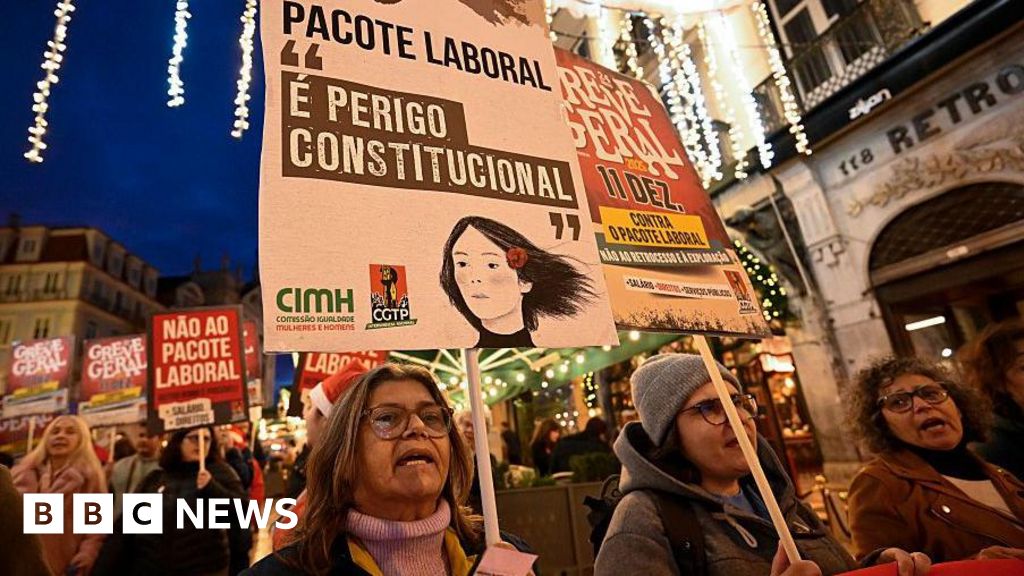
Thousands of demonstrators gathered outside the parliament in Lisbon, waving cell‑phone lights and signs such as “Down with precarious living conditions”. A protest march was scheduled to begin at 2.30 p.m. Local time, drawing participants from many sectors, including the automotive factory Autoeuropa, where almost 1,000 workers voted to back the strike.
What travelers should do next
Unions have signalled that further action later in the year has not been ruled out if talks over the labour reform package fail to produce compromises.
How significant is this development?
Contribute your assessment to the aggregated reader sentiment ledger.
Frequently Asked Questions
Key questions answered in this reportWhat is the key development in: Portugal general strike to impact hundreds of flights and public ...?
Portugal’s main unions launched a 24-hour general strike to protest labour law reforms, impacting airports and public transport. Over 650 flights were cancelled.
Why is this Transport development significant for the UK?
This report covers critical events in our Transport beat. Independent reporting monitors related UK statements, regulatory shifts, and public responses as further verified details emerge.
How was this reporting corroborated and verified?
Newsarchy UK compiles and cross-references reporting from primary reporting from apnews.com and cross-checked wire reports. All coverage adheres to published editorial standards.
When was this report published?
This briefing was published on July 2, 2026 and is permanently cataloged in the Newsarchy UK Transport archives.