Trump criticizes NATO support as ridiculous ahead of Ankara summit
President Trump has renewed his criticism of NATO's funding structure as alliance leaders prepare for a high-stakes summit in Ankara. The administration is reportedly considering major reforms to decision-making processes based on individual member spending.
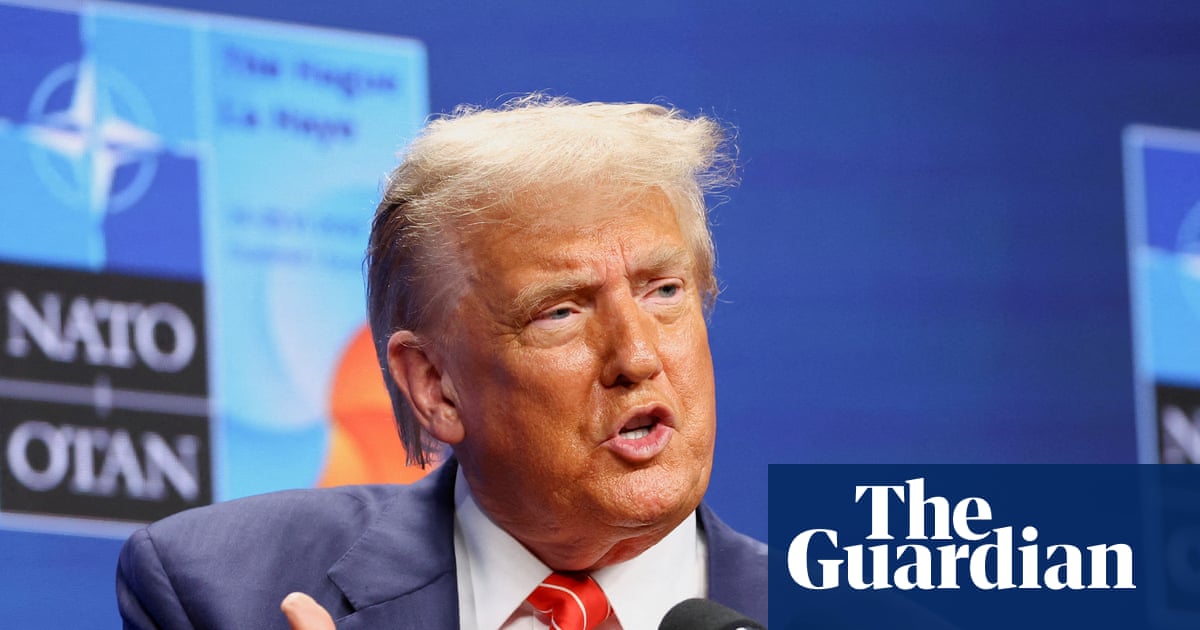
- Core Development: President Trump has renewed his criticism of NATO's funding structure as alliance leaders prepare for a high-stakes summit in Ankara. The administration is reportedly considering major reforms to decision-making processes based on individual member spending.
- Beat Context: Categorized under World with independent corroboration.
- Reporting Depth: 3 minute analytical read synthesized from verified newsroom sources.
President Donald Trump has characterized the United States’ ongoing support for NATO as ridiculous
and one-sided
just days before the military alliance is set to convene for a major summit. The remarks, shared on his Truth Social platform on Thursday, 2 July 2026, serve to sharpen the focus on deep-seated divisions within the Western military alliance as it prepares to gather in Ankara on 7 and 8 July 2026.
The President’s criticism centers on his long-standing view that the transatlantic security relationship is not reciprocal. They were not there for us!!!
Trump wrote, echoing previous complaints regarding the alliance's response to the war in Iran. U.S. Secretary of State Marco Rubio, who addressed the alliance’s foreign ministers in May, previously noted that the President's frustration regarding these operational limitations remains a significant issue that must be addressed.
Media additions

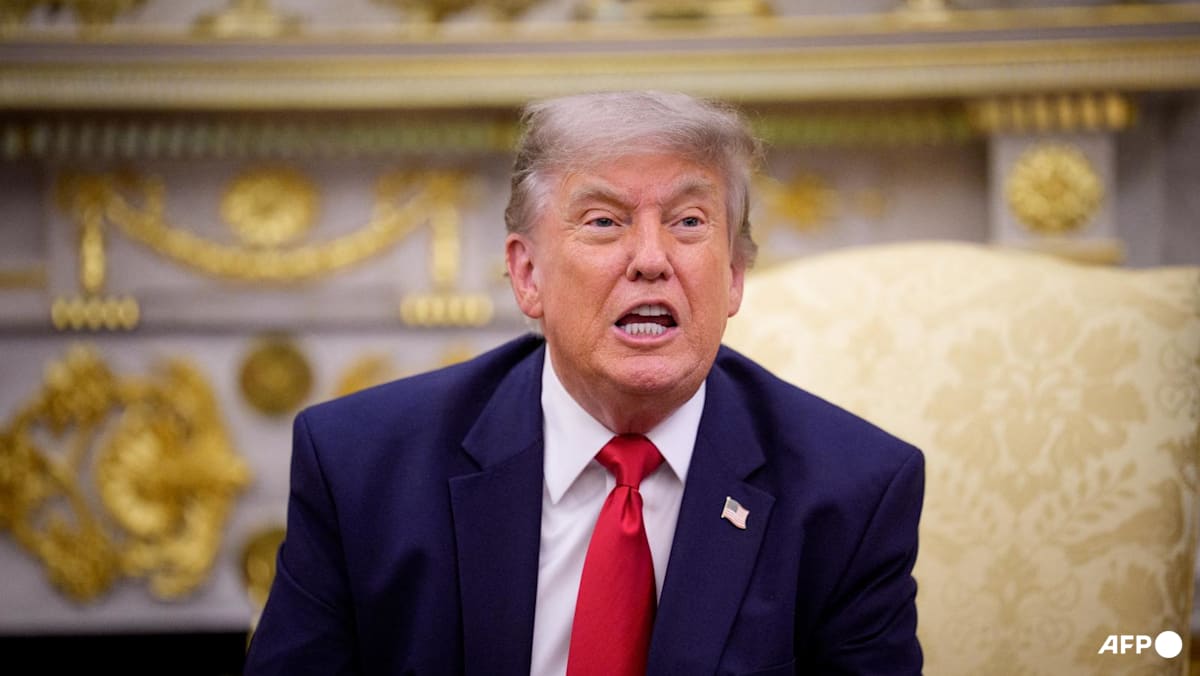

While the President has questioned the value of the current arrangement, his messaging has contained conflicting signals. In a separate statement provided on Wednesday, he affirmed that the U.S. will always be there for NATO, even if they won’t be there for us.
NATO leaders had agreed at a gathering last year to boost defence-related spending to 5% of GDP by 2035.
The upcoming NATO summit, which will bring together 32 member states, will be held in Ankara on 7 and 8 July. The President is reportedly considering a structural overhaul of the alliance’s decision-making processes. This potential pay-to-play
model could see member states that fail to meet specific funding targets excluded from key deliberations, including those involving joint missions, alliance expansion, and the activation of Article 5 mutual defense guarantees.
Current Dynamics of Alliance Spending
| Metric | Status |
|---|---|
| Current NATO Spending Target | 5% of GDP by 2035 |
| Summit Location | Ankara, Turkey |
| Summit Dates | 7–8 July 2026 |
Disagreements over the calculation of these contributions persist. While President Trump frequently highlights the disparity between overall U.S. Military expenditure and that of European allies, analysts note that the President’s figures often conflate total U.S. Defense spending — which reached an estimated $980bn in 2025 — with specific contributions to the alliance. In contrast, NATO measures individual commitment as a percentage of national GDP, a metric that previously placed Poland as a higher relative contributor than the United States.
The atmosphere surrounding the summit is further complicated by diplomatic tensions extending beyond the alliance’s core mandate. Danish Prime Minister Mette Frederiksen has warned that the President’s repeated suggestions regarding the potential U.S. Acquisition of Greenland, framed by the White House as a matter of national security, could pose an existential threat to the unity of the alliance.
As the summit approaches, several issues remain on the horizon for the participating heads of state:
- The push by the U.S. For members to establish a credible path toward the 5% GDP defense spending target.
- Resolution of the ongoing debate regarding the use of allied territory for U.S.-led operations in the Middle East.
- Discussions concerning potential reforms to NATO's decision-making structure.
The alliance, founded in 1949, became a US-led defence force credited with maintaining stability in Europe, keeping the Soviet Union at bay and solidifying Washington as a world power for decades to come.
How significant is this development?
Contribute your assessment to the aggregated reader sentiment ledger.
Frequently Asked Questions
Key questions answered in this reportWhat is the key development in: Trump criticizes NATO support as ridiculous ahead of Ankara summit?
President Trump has renewed his criticism of NATO's funding structure as alliance leaders prepare for a high-stakes summit in Ankara. The administration is reportedly considering major reforms to decision-making processes based on individual member spending.
Why is this World development significant for the UK?
This report covers critical events in our World beat. Independent reporting monitors related UK statements, regulatory shifts, and public responses as further verified details emerge.
How was this reporting corroborated and verified?
Newsarchy UK compiles and cross-references reporting from primary reporting from thehindu.com and cross-checked wire reports. All coverage adheres to published editorial standards.
When was this report published?
This briefing was published on July 3, 2026 and is permanently cataloged in the Newsarchy UK World archives.