Russia pounds Kyiv with drone strikes after Zelenskiy-Trump talks
Russia pounded Kyiv with a wave of drone and missile strikes, hitting railway infrastructure and fuel stations just hours after high-level peace talks.

- Core Development: Russia pounded Kyiv with a wave of drone and missile strikes, hitting railway infrastructure and fuel stations just hours after high-level peace talks.
- Beat Context: Categorized under Transport with independent corroboration.
- Reporting Depth: 3 minute analytical read synthesized from verified newsroom sources.
Russia pounded Kyiv with a wave of drone and missile strikes on Wednesday, 23 September 2026, hitting railway infrastructure, warehouses, and fuel stations. According to Devdiscourse reporting, the assault unfolded just hours after Ukrainian President Volodymyr Zelenskiy met with US President Donald Trump to discuss ongoing peace efforts. The attack lasted from the morning into the early afternoon, marking one of the heaviest bombardments since Moscow began utilizing faster, high-flying jet drones that present increased interception challenges.
The strikes caused extensive damage across the capital. Katarina Mathernova, the EU ambassador to Ukraine, shared a social media post highlighting burning buildings visible from the windows of the EU Delegation office. Ukrainian railway operator Ukrzaliznytsia reported that railway infrastructure came under attack, leaving one worker injured, although the main station building avoided structural damage. Meanwhile, Ukrainian oil company Ukrnafta confirmed that one of its capital petrol stations was hit—representing the sixth such facility targeted in recent weeks—as confirmed by DD India coverage. Kyiv Mayor Vitali Klitschko added that a drone struck a nine-storey non-residential building, alongside a business centre and several warehouses.
Media additions

Diplomatic efforts continue to stall despite intense international engagement. As detailed by The Business Standard, Kremlin spokesman Dmitry Peskov told reporters ahead of a planned New York meeting between US Secretary of State Marco Rubio and Russian Foreign Minister Sergey Lavrov that prerequisites for a peaceful negotiating track remain absent, though Moscow remains open to dialogue. Similar pessimism was echoed by energy worker Mykola Nechypurenko, who expressed doubt to RTÉ regarding any proposed energy ceasefire: I don't think they'll agree on anything. As long as the war goes on, energy infrastructure remains under threat.
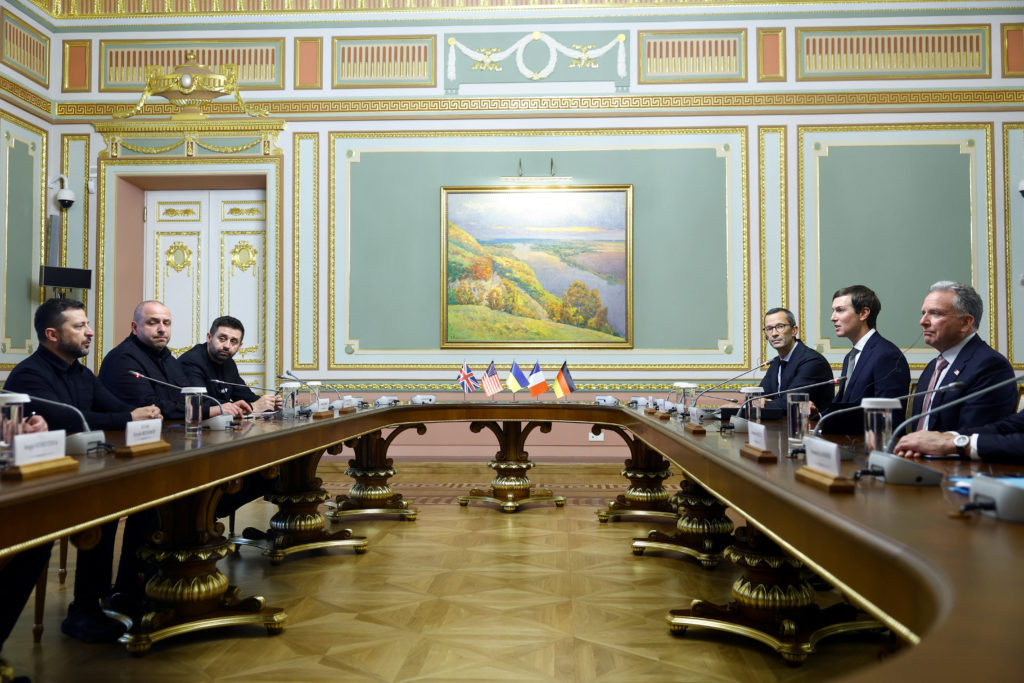
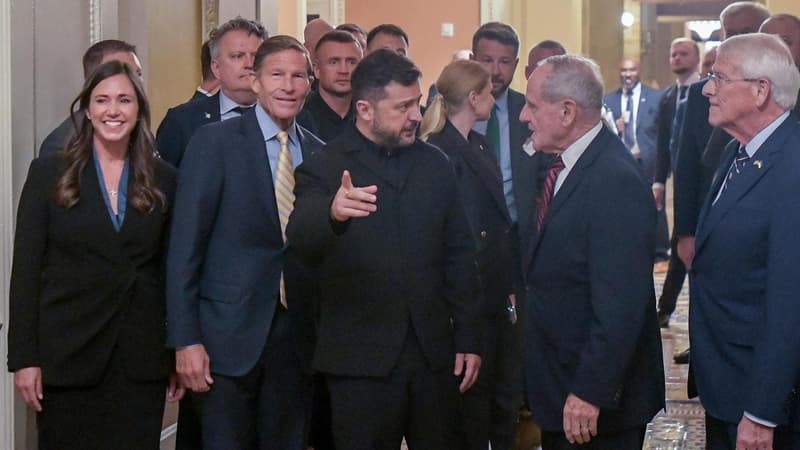
The diplomatic backdrop involves multi-pronged international negotiations, including visits by US envoys Steve Witkoff and Jared Kushner. According to PBS reporting, the envoys held discussions in Kyiv following a meeting with Russian President Vladimir Putin in Moscow. Zelenskiy held multiple rounds of talks with the American delegation, later bringing in national security advisers from France, Germany, and the United Kingdom. Discussions focused on securing serious volumes of support, including Patriot air defence interceptor missiles and a comprehensive winter package to safeguard energy infrastructure.
The aerial bombardments extended beyond the capital. A separate Russian aerial bomb attack killed at least four people and injured four others in a village located in the frontline Donetsk region, according to the regional governor.
International reactions to the renewed fighting and diplomatic deadlock varied across capitals.
As international stakeholders navigate the crisis, attention turns toward upcoming multilateral meetings at the United Nations General Assembly and follow-up diplomatic sessions involving Ukraine, the United States, and European partners to determine future security guarantees and the viability of any prospective energy ceasefires.
How significant is this development?
Contribute your assessment to the aggregated reader sentiment ledger.
Frequently Asked Questions
Key questions answered in this reportWhat is the key development in: Russia pounds Kyiv with drone strikes after Zelenskiy-Trump talks?
Russia pounded Kyiv with a wave of drone and missile strikes, hitting railway infrastructure and fuel stations just hours after high-level peace talks.
Why is this Transport development significant for the UK?
This report covers critical events in our Transport beat. Independent reporting monitors related UK statements, regulatory shifts, and public responses as further verified details emerge.
How was this reporting corroborated and verified?
Newsarchy UK compiles and cross-references reporting from primary reporting from devdiscourse.com and cross-checked wire reports. All coverage adheres to published editorial standards.
When was this report published?
This briefing was published on September 23, 2026 and is permanently cataloged in the Newsarchy UK Transport archives.