Ukrainian drones strike Siberian oil refinery and disrupt Urals athletics competition
Ukrainian drones targeted a Siberian oil refinery and interrupted an Urals athletics competition. Meanwhile, Kazakh President Tokayev urged Vladimir Putin to freeze the conflict during a forum in Omsk.

- Core Development: Ukrainian drones targeted a Siberian oil refinery and interrupted an Urals athletics competition. Meanwhile, Kazakh President Tokayev urged Vladimir Putin to freeze the conflict during a forum in Omsk.
- Beat Context: Categorized under Transport with independent corroboration.
- Reporting Depth: 3 minute analytical read synthesized from verified newsroom sources.
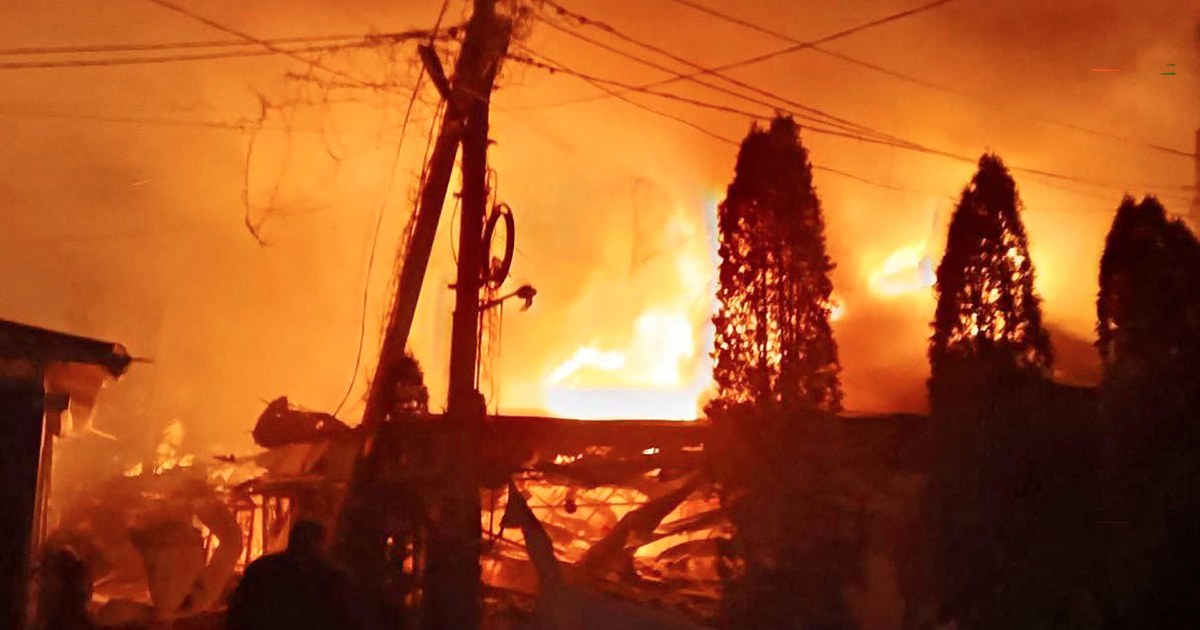
Ukrainian drones have carried out a strike on a Siberian oil refinery while simultaneously disrupting an Urals athletics competition. The cross-border operation coincided with a gathering in Siberia where regional leaders pressed for an end to the ongoing conflict. The transport and energy disruptions unfold as diplomatic and military tensions remain acute across multiple fronts.
The strike on the Siberian refining facility and the parallel disruption of the Urals athletics event highlight the expanding geographic reach of aerial operations. According to reporting compiled by the Kyiv Post, these developments occurred concurrently with the 22nd Russia-Kazakhstan Interregional Cooperation Forum. During the gathering, Kazakh President Kassym-Jomart Tokayev called on Russian President Vladimir Putin to freeze hostilities and restart talks under the Istanbul framework. Tokayev argued that the continuation of the war serves the interests of third-party adversaries, while pointing to prior diplomatic engagements in Anchorage involving American leadership.
Media additions

The wider transport and maritime logistics sectors face intense pressure from both sides of the conflict. The European Union formally adopted its latest sanctions package, which grants member states the legal authority to sell crude oil and other commodities confiscated from Russia's shadow fleet of tankers. Concurrently, the EU froze the G7 oil price cap to curb circumvention. However, these maritime enforcement measures have created friction with Western allies. The Trump administration issued a formal warning urging Kyiv to halt attacks on non-Russian vessels in the Black Sea. That diplomatic notice followed consultations between senior American officials and energy executives, including Chevron CEO Mike Wirth. Those discussions centered on threats to vessels near Novorossiysk, a key Black Sea terminal for the Caspian Pipeline Consortium that supplies a significant share of global daily crude and serves as an alternative energy corridor for European markets, where Chevron holds major stakes.
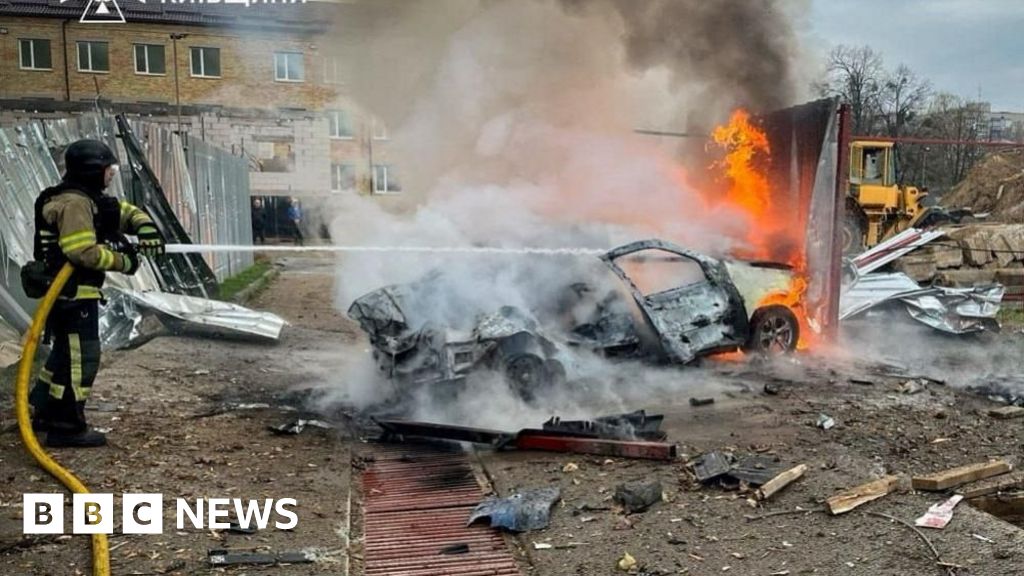
Simultaneously, the air war continues to exact a heavy toll on infrastructure and civilian populations. Ukrainian President Volodymyr Zelenskyy accused Moscow of selecting an Easter escalation rather than observing a holiday truce, after a massive barrage of drones and missiles struck multiple regions. Daytime bombardment has grown increasingly frequent, destroying residential housing blocks in the Kyiv and Zhytomyr regions while heavily impacting Kharkiv. In the east, however, British intelligence assessments and Ukrainian leadership indicate that frontline conditions have stabilized somewhat, with Russian advance rates slowing significantly.
Financial strains are visibly reshaping domestic priorities inside Russia. Moscow slashed funding for several primary technological leadership initiatives for the upcoming year, diverting capital toward military expenditure to cover widening fiscal deficits. Slashes heavily impacted space technology and industrial automation programs, while the government's dedicated drone development initiative saw an increase in allocations.
As diplomatic channels remain stalled and international actors maneuver around shifting energy corridors, the immediate focus turns to upcoming diplomatic talks and the enforcement of maritime sanctions. Observers will monitor whether renewed pressure from Central Asian leaders and Western capitals yields any movement toward a formalized ceasefire, or if deepening infrastructure strikes will further entrench both belligerents.
How significant is this development?
Contribute your assessment to the aggregated reader sentiment ledger.
Frequently Asked Questions
Key questions answered in this reportWhat is the key development in: Ukrainian drones strike Siberian oil refinery and disrupt Urals athletics competition?
Ukrainian drones targeted a Siberian oil refinery and interrupted an Urals athletics competition. Meanwhile, Kazakh President Tokayev urged Vladimir Putin to freeze the conflict during a forum in Omsk.
Why is this Transport development significant for the UK?
This report covers critical events in our Transport beat. Independent reporting monitors related UK statements, regulatory shifts, and public responses as further verified details emerge.
How was this reporting corroborated and verified?
Newsarchy UK compiles and cross-references reporting from primary reporting from NBC News and cross-checked wire reports. All coverage adheres to published editorial standards.
When was this report published?
This briefing was published on September 16, 2026 and is permanently cataloged in the Newsarchy UK Transport archives.