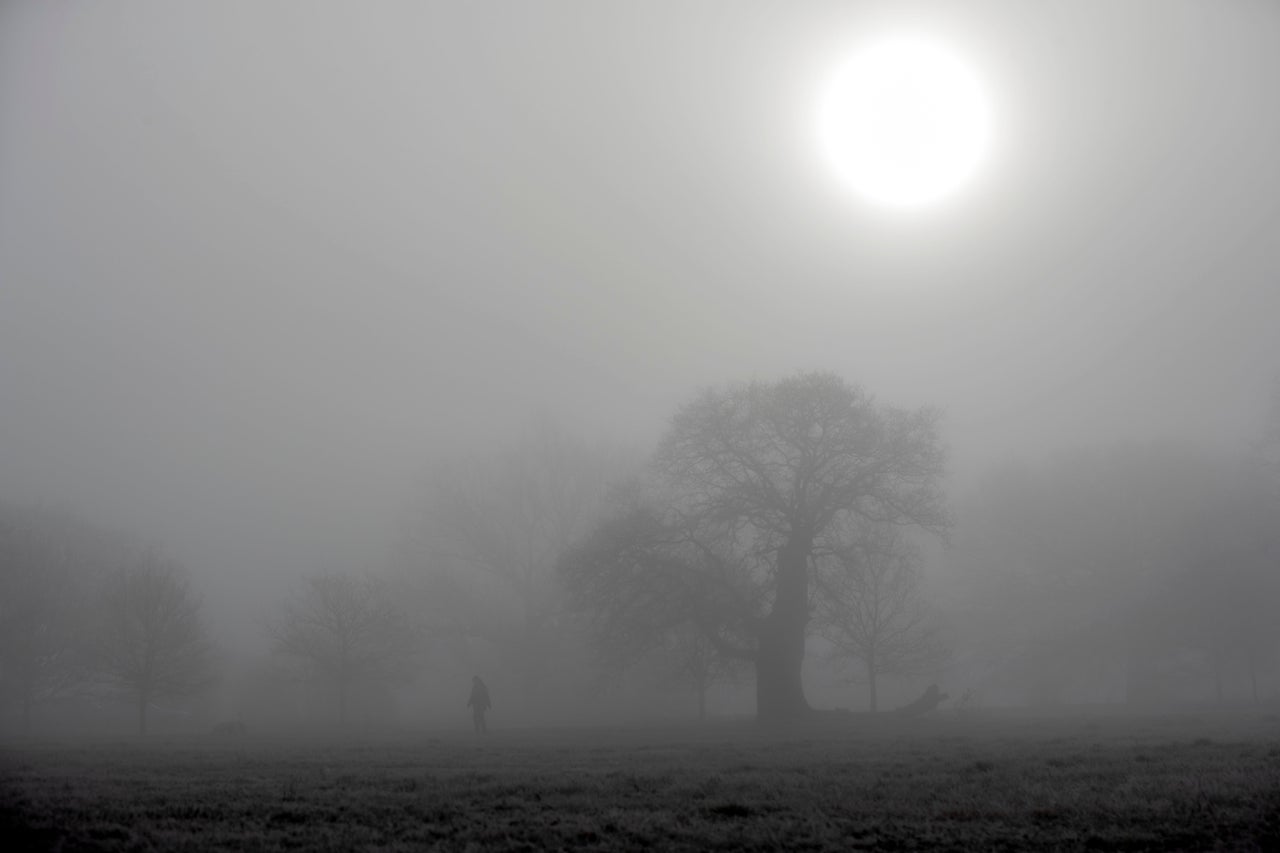
COP31 climate summit begins after disastrous year of extreme weather
World leaders and delegates have gathered in Antalya, Turkey, for the COP31 climate summit amid warnings that 2026 is on track to surpass 2024 as the hottest year on record.
A disastrous year of extreme weather and mounting scientific warnings set a grim backdrop as the COP31 climate summit opened in Antalya, Turkey.
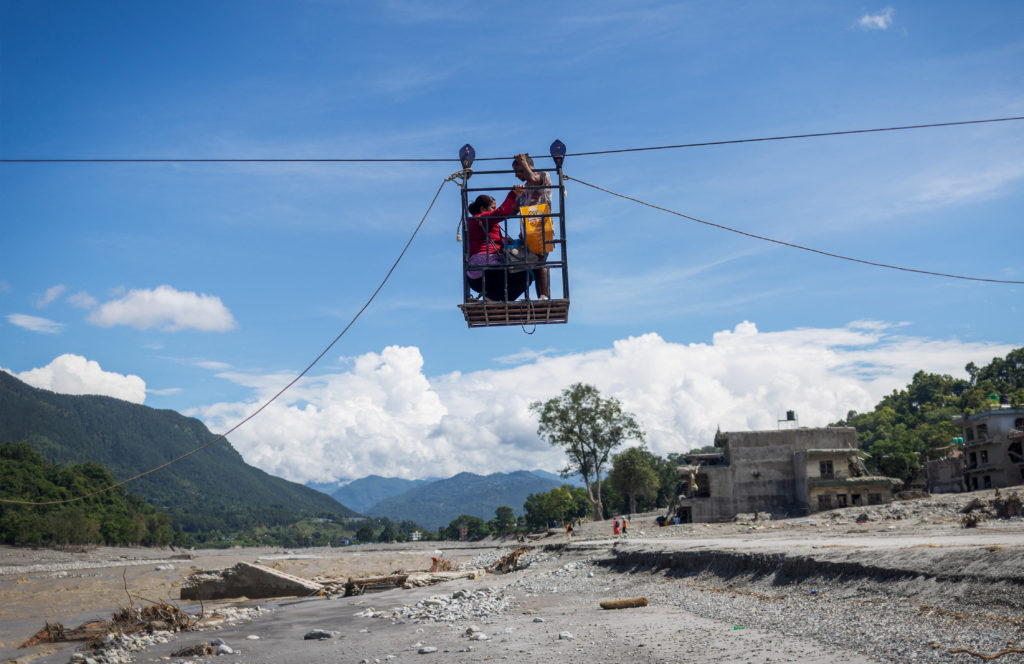
World leaders, delegates, and negotiators gathered in the Mediterranean resort city for the two-week U.N. Climate conference, arriving on the heels of a year marked by deadly heatwaves across Europe, devastating floods in Nepal, and widespread wildfires from Western Europe to Indonesia. The summit is co-hosted by Turkey and Australia under an unusual arrangement that settled initial diplomatic disputes over leadership, though both nations continue to face scrutiny over their heavy domestic reliance on coal.
Media additions



The urgency of the negotiations was compounded by the release of new scientific reports indicating that human-induced warming has reached dangerous levels. Separate forecasts from Berkeley Earth indicated a 95% confidence that 2026 will surpass 2024 to become the hottest year on record, driven by the combination of long-term greenhouse gas accumulation and a powerful El Niño cycle.
"A supersized El Nino is colliding with a planet already superheated by manmade climate change," United Nations Secretary-General Antonio Guterres told delegates, warning that the Earth has entered a new age of climate extremes. The World Meteorological Organization echoed these concerns, noting that the ongoing El Niño is expected to keep temperatures elevated into the coming year, leading scientists to warn that 2027 could prove even hotter.
Negotiations in Antalya face severe friction over financial aid and policy ambition. Developing countries, championed by the 54-country African Group and various island nations, have pushed for concrete plans on how wealthy nations intend to deliver promised funds for climate adaptation and recovery from disasters. However, these proposals faced resistance from rich nations within the European Union and Canada, where governments have frequently redirected aid budgets toward domestic priorities and defence spending amid energy shocks triggered by the war in the Middle East and the closure of the Strait of Hormuz.
Disagreements over fossil fuels also threaten to replay past gridlocks. Following controversies at prior summits where petrostates successfully stripped explicit language concerning fossil fuel phase-outs from final texts, COP31 hosts Turkey and Australia have centered their official agenda on an ambitious "Action Agenda" prioritizing electrification and waste management. The centerpiece proposal aims to increase the share of global energy demand met by electricity from 21% to 35% by 2035. Yet the European Union has insisted that such electrification must rely strictly on clean energy sources, whereas nations like Saudi Arabia and Russia have previously promoted the interim use of gas.
Meanwhile, the United States, as the world's second-largest current emitter and largest historical polluter, remains absent from the official negotiations following the Trump administration's withdrawal from climate pacts. Observers and civil society groups expressed deep pessimism regarding major breakthroughs. "This is not going to be the Cop that changes the world," remarked Paul Watkinson, France’s former chief negotiator at climate summits, characterizing the Antalya talks as an intermediate conference focused primarily on managing an inevitable temperature overshoot rather than stopping it outright.
| Climate Indicator | Reported Figure / Estimate | Source / Group |
|---|---|---|
| Global Temperature Anomaly (Jan–Sept) | Approximately 1.47°C above pre-industrial average | World Meteorological Organization (WMO) |
| 2026 Temperature Forecast Confidence | 95% confident 2026 will surpass 2024 record | Berkeley Earth |
| Registered Summit Attendance | Estimated 68,500 delegates (with nearly 25,000 support staff) | COP31 Organizers |
Beyond the formal negotiating rooms, participants are addressing mounting regional crises and infrastructural vulnerabilities. Nepal, which triggered the U.N. Loss and damage fund's emergency mechanism following a catastrophic glacier collapse and landslide that claimed over 1,300 lives, is pressing for faster, more accessible financial relief.
What to watch next at COP31
- Leaders' Summit (Nov 11–12): Opening speeches and high-level national statements from visiting heads of state, including Turkish President Recep Tayyip Erdogan and Australian Prime Minister Anthony Albanese.
- Adaptation Finance Debates: Ongoing backroom wrangling over whether to formally incorporate demands from developing nations and African blocs to triple adaptation finance into the final summit text.
- Electrification and Cover Decisions: Negotiations surrounding the proposed target to increase global electricity demand coverage to 35% by 2035, and whether strict "clean energy" caveats can survive opposition from gas-advocating states.
Summit Conclusion (Nov 20): Finalized text releases and ministerial declarations as the two-week conference draws to a close in Antalya.