Met Office issues snow warning with travel disruption expected across parts of UK
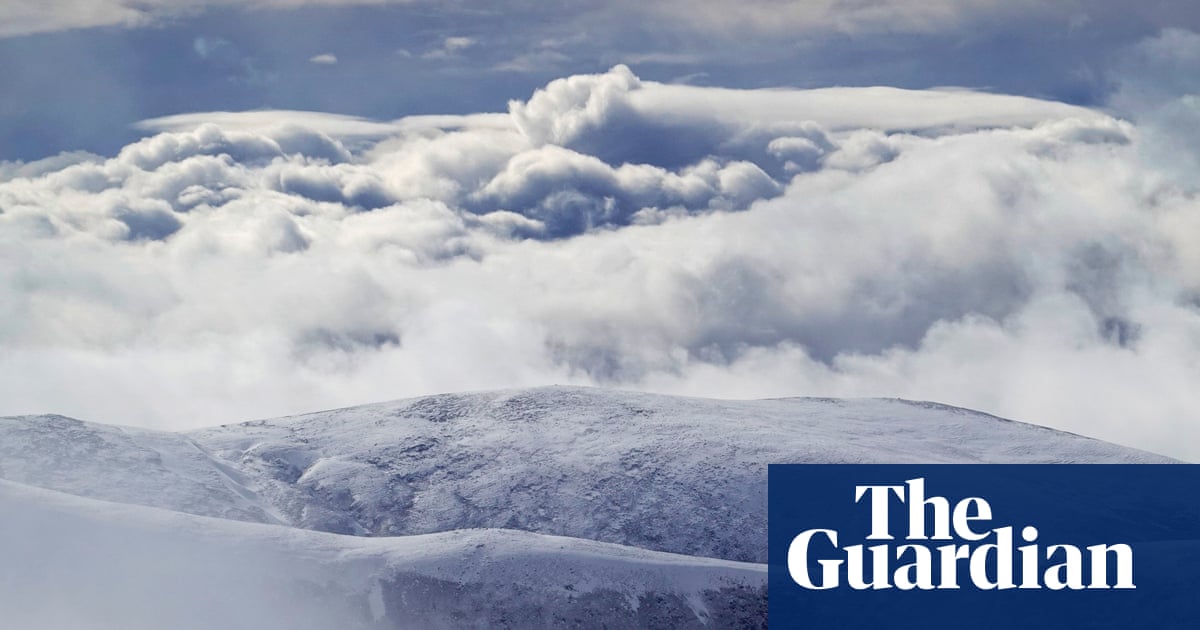
The Met Office has issued a yellow weather warning for snow across parts of the UK, bringing potential travel disruption and plunging temperatures.

The Met Office has issued a yellow weather warning for snow across parts of the UK, bringing warnings of potential travel disruption and plunging temperatures as a colder phase of weather grips the country.
A band of rain moving northwards across the UK is expected to turn to snow as it encounters colder air. According to the Met Office, the yellow weather warning for snow comes into effect on Tuesday from midnight until 11am, covering parts of southern Scotland and northern and central England.
Media additions


Forecasters report that the greatest risk of accumulating snow is on higher-level routes and elevated ground. Locations at an altitude of 100 metres or higher will mainly be affected, while any snow falling below this level is expected to be temporary and quickly melt. Where snow does accumulate, depths of 1cm to 5cm are expected, while locations above 300m to 400m could see between 5cm and 15cm. Strong easterly winds may also cause localized drifting on exposed routes.
Predicting snowfall remains challenging, with small changes in temperature and wind direction determining whether precipitation falls as rain, sleet, or snow.
As reported by the Mirror, motoring experts have urged caution. Rod Dennis, motoring expert at the RAC, stated that drivers should avoid driving unless prepared, noting that conditions can change rapidly and motorists should check their vehicle and route.
Harriet Hernando, a breakdown spokesperson, added:
"In snowy and icy conditions, it's best to stick to major roads, rather than rural areas where surfaces may not be gritted, reduce speeds and leave plenty of space behind the vehicle in front to ensure you have more time to stop."
Harriet Hernando, Breakdown Spokesperson, via Mirror
The Met Office has advised drivers to keep essential items in their vehicles, including warm clothing, food, water, a blanket, a torch, an ice scraper or de-icer, a warning triangle, a high-visibility vest, and an in-car phone charger. Beyond transport risks, authorities warn of potential power cuts and a degradation of mobile phone service due to ice accumulating on infrastructure such as power lines.
| Region / Area | Warning Type | Timing | Forecast Impact |
|---|---|---|---|
| Southern Scotland, Northern & Central England | Yellow Snow Warning | Tuesday, Midnight – 11:00 GMT | 1–5cm snow generally; 5–15cm above 300–400m; travel delays, potential power and mobile service interruptions. |
| North East England, North West England, Yorkshire and the Humber | Yellow Cold-Health Alert (UKHSA) | Sunday 15 November, 21:00 – Thursday 19 November, 09:00 | Increased pressure on health and care services; heightened risks for older people and vulnerable individuals with existing heart or respiratory conditions. |
Running concurrently with the snow warnings, the UK Health Security Agency has active cold-health alerts in force. As covered by The Independent, Dr Anya Gopfert, consultant in public health at the UKHSA, noted:
"This is the first cold-health alert of the winter, but we can expect more as we move further into the season. Cold weather can have a serious impact on the health of some people, including those aged 65 and over and those with pre-existing health conditions, so it is vital to check in on friends, family and neighbours who are most vulnerable."
Dr Anya Gopfert, Consultant in Public Health, via The Independent
What to Watch Next
- The yellow snow warning remains active until 11am on Tuesday, after which forecasters expect snow to gradually turn back to rain from the south, potentially causing minor surface-water disruption.
- The UKHSA cold-health alerts will remain in place across designated regions in England until Thursday morning.
- Conditions are expected to remain changeable through the middle of the week, with Wednesday bringing a mix of rain, showers, and bright spells, alongside rising temperatures in the south.