UK dangerously underprepared for emergencies due to limited food and medicine stocks
A House of Lords inquiry warns that the UK remains vulnerable to emergencies due to fragile supply chains, medicine import reliance, and crisis plans.
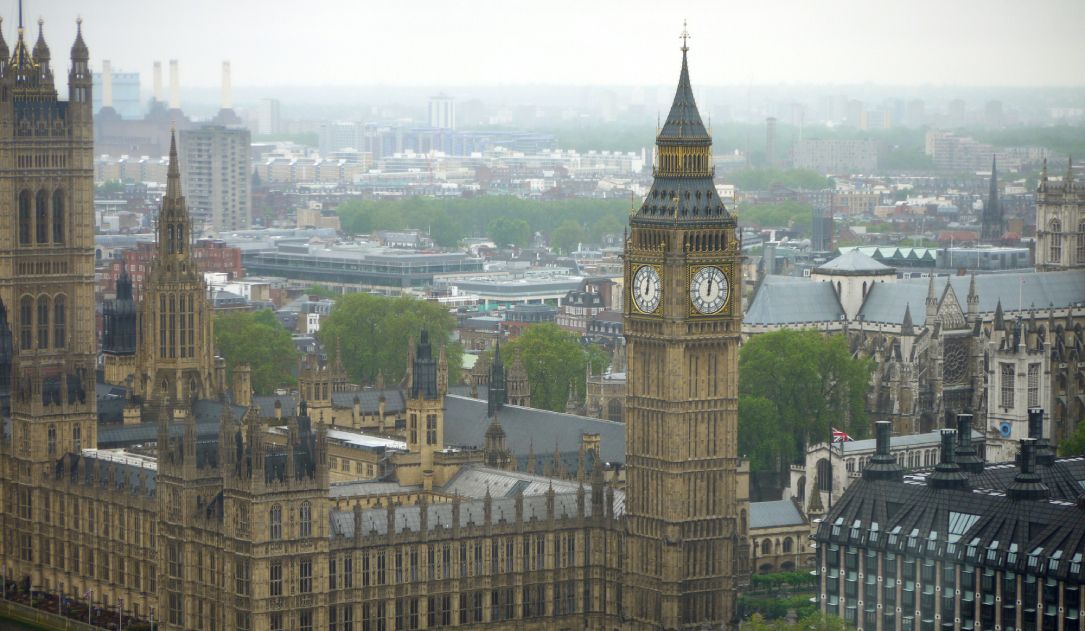
Britain remains seriously underprepared for emergencies due to dangerously limited domestic food and medicine stocks, according to a stark assessment delivered by the House of Lords National Resilience Committee.
The cross-party group of peers concluded an inquiry warning that the nation faces a turbulent global security landscape marked by grey zone hostility, proxy acts of violence, sabotage of critical undersea cables and pipelines, artificial intelligence-supercharged cyberattacks, and war. According to reporting, ministers are displaying complacency in the face of potentially catastrophic risks that can rapidly compound.
Media additions


"A cyber-attack can quickly morph into a power cut, then a shutdown of transport, then empty food shelves in the shops."
Baroness Jean Coussins, Crossbench peer and chairwoman of the committee, via AOL.co.uk
The committee's inquiry exposed deep structural vulnerabilities in critical supply chains. The UK no longer retains any domestic manufacturing capacity for antibiotics, leaving the country heavily reliant on imports. Coverage notes that the committee was shocked to discover the UK imports a large proportion of all other antibiotics and 80 percent of the active ingredient for penicillin antibiotics primarily from China, while highlighting the sobering fact that only one antibiotic manufacturer remains across the whole of Europe.
Food security is similarly concentrated. Just nine retailers account for approximately 94.5 percent of food sold through supermarkets nationwide. As detailed in coverage of the report titled Are we ready? Building a culture of resilience
, the findings call for a radical shift from a fragile just-in-time supply chain philosophy toward a resilient just-in-case model that normalises preparedness as part of everyday life.
The peers argued that current government emergency plans are out of date because they fail to prepare central and local authorities for multiple concurrent crises, such as simultaneous biological hazards, water supply disruptions, infrastructure collapses, and cyberattacks. To remedy these structural flaws, the committee set out targeted recommendations following its nine-month inquiry.
Key Recommendations from the Lords Resilience Report
- Appoint a Cabinet minister responsible solely for resilience within the next six months, supported by a permanent secretary-level chief resilience officer.
- Require the Prime Minister to deliver an annual statement on national resilience to Parliament.
- Scrap existing plans to switch off digital terrestrial television services to protect access to vital emergency information.
- Introduce a legal requirement for public and private sector organisations to conduct regular stress-testing exercises.
- Ensure water companies can demonstrate their ability to maintain supplies during extended outages.
- Widen eligibility for the Armed Forces gap year programme to young people not in employment, education, or training to boost reserve and volunteer recruitment.
- Invest heavily in domestic manufacturing capacity for essential pharmaceutical ingredients and vital medicines.
- Embed resilience skills, critical thinking, and media literacy into education and workplaces.
The committee also criticised official communication strategies, urging ministers to stop being squeamish and to speak frankly with the public about emerging threats. Evidence suggests citizens would reward such honesty with trust and reassurance rather than fear and alarm, according to the findings.
"The government should stop being squeamish about telling it straight to the public about the kind of threats we face. Evidence suggests that the public would reward honesty and openness with trust and reassurance, not fear and alarm."
House of Lords National Resilience Committee, Report, via Yahoo News UK and Daily Express
This parliamentary scrutiny follows the rollout of the government's Be Ready campaign, which encourages households to stock up on emergency supplies, including food, water, and wind-up radios. While the peers acknowledged this initiative as a step in the right direction, they stressed that it falls far short of the sweeping societal overhaul required.
In response to the report, a Cabinet Office spokesperson thanked the committee and noted that officials are carefully reviewing the findings. The government defended its record, pointing to ongoing efforts to raise public awareness, upcoming large-scale home defence exercises, and over £1 billion invested in pandemic security. Officials added that international cooperation remains a priority, noting that security matters were discussed when the security minister met close allies aboard HMS Prince of Wales in Oslo.